














































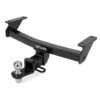

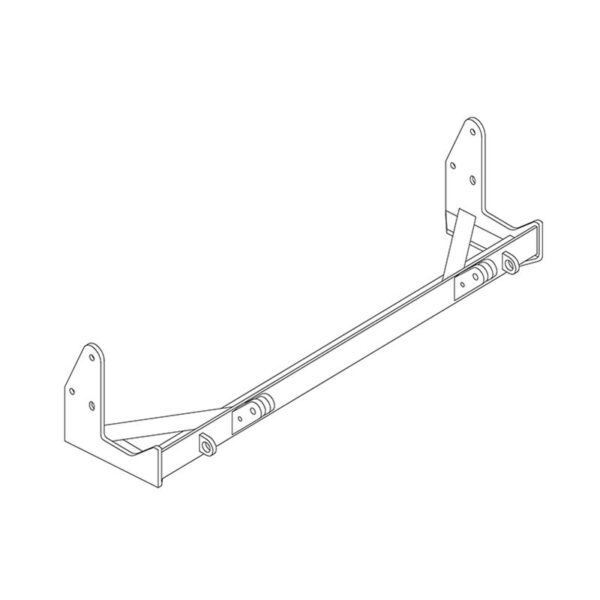
Base Plate
Securely connect your vehicle for flat towing with a high-quality base plate. Durable design ensures reliability and safety for all your towing needs.
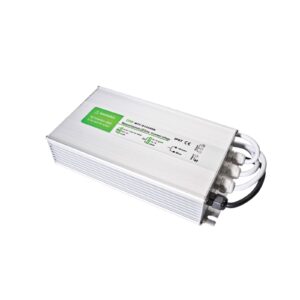
What is a Base Plate for Towing?
The Role of a Base Plate in Flat Towing
A base plate is a crucial component in flat towing, a method where a vehicle is towed behind another vehicle with all four wheels on the ground. The primary function of a base plate is to provide a secure and stable connection point between the towed vehicle and the tow bar. This connection allows the towing vehicle to control the direction and movement of the towed vehicle. Flat towing, when done correctly, offers a convenient way to transport vehicles, especially for recreational purposes like RV travel or for moving a car behind a motorhome. Proper installation of a base plate is essential for the safety of both vehicles and compliance with legal requirements.
Ensuring a properly installed and maintained base plate is not only a matter of convenience, it is a matter of safety. A poorly installed or inadequate base plate can lead to a range of hazards, including the detachment of the towed vehicle, which can result in accidents and serious injuries. Furthermore, improperly installed equipment can lead to significant legal repercussions. Compliance with local and federal regulations is paramount when engaging in flat towing, and a properly installed base plate is a crucial first step in ensuring legal compliance and safe towing practices.
How Base Plates Work
Base plates are designed to bolt directly onto the frame of the vehicle being towed. This is a critical aspect of the design, as the vehicle’s frame is engineered to withstand significant forces, ensuring a robust and secure connection point. The installation process typically involves several steps, often requiring some level of mechanical expertise. While the exact process varies depending on the vehicle make and model and the base plate design, the basic steps are as follows:
- Mounting to the Vehicle Frame: The base plate components are aligned with the vehicle’s frame and securely bolted into place. This often requires removing the vehicle’s bumper or other front-end components to access the frame. The bolts used are typically high-strength and are chosen to withstand the stresses of towing.
- Connection Points for the Tow Bar: Once the base plate is securely mounted to the frame, it provides a connection point for the tow bar. This connection point is usually in the form of tabs or brackets designed to receive the tow bar’s arms. These connection points are engineered to provide a secure and stable link between the two vehicles.
- Safety Considerations: Safety chains are an essential component of any towing setup. They provide an extra layer of security, preventing the towed vehicle from completely separating from the towing vehicle in the event of a primary connection failure. They are designed to be crossed under the tow bar. In addition, electrical connections are established to enable the towed vehicle’s lights (brake lights, turn signals) to function in sync with the towing vehicle.
Key Features and Benefits of a Base Plate
Durable Construction for Longevity
Base plates are constructed with high-quality materials to ensure they can withstand the demands of towing and the rigors of the road. The materials and finishes used in the construction of a base plate play a significant role in its durability, longevity, and resistance to environmental factors. Understanding these elements is key to appreciating the long-term value and reliability of a base plate.
- Material Durability: High-strength steel is commonly used due to its ability to withstand the significant forces involved in towing. Steel provides the necessary structural integrity to safely and reliably connect the towed vehicle to the tow bar. The choice of steel type and thickness is critical to ensure the base plate can handle the weight of the towed vehicle and the stresses of various road conditions.
- Coating and Finish: To protect the steel from rust and corrosion, base plates are often treated with a powder-coated finish. The powder-coating process involves applying a dry powder to the metal and then baking it to create a hard, durable finish. Powder-coating offers excellent resistance to corrosion, chipping, and fading. This finish not only enhances the appearance of the base plate but also significantly extends its lifespan, especially when exposed to the elements.
- Maintenance and Care: While base plates are designed for durability, regular maintenance is still important to ensure longevity and safe operation. This includes periodic inspections for signs of wear, such as cracks or corrosion, and cleaning the base plate to remove dirt, salt, and other debris that can accelerate corrosion.
Custom Fit for Specific Vehicles
Base plates are designed with precision to match the specific make and model of the vehicle. A custom-fit base plate ensures a secure, reliable, and aesthetically pleasing installation. Choosing a vehicle-specific base plate is a non-negotiable aspect of ensuring safety and a proper fit. This specificity contrasts with a one-size-fits-all approach, which can compromise both the performance and the safety of the towing setup.
- Vehicle Compatibility: Base plates are not a universal product. Manufacturers design base plates to be compatible with specific vehicles, taking into account factors such as the vehicle’s frame design, bumper style, and other structural elements. When choosing a base plate, it is critical to verify that it is specifically designed for the make, model, and year of the vehicle being towed.
- Installation and Fitment: A custom-fit base plate is designed to integrate seamlessly with a vehicle’s existing structure. This means that the base plate will align perfectly with the vehicle’s frame and mounting points, making installation easier and more secure. The design of a custom-fit base plate also considers the vehicle’s aesthetics, ensuring that it does not detract from the vehicle’s appearance.
Enhanced Safety and Performance
Base plates play a significant role in ensuring a safer and more reliable towing experience. A properly installed base plate offers several advantages that directly contribute to the safety and performance of the towing setup.
- Secure Connection: The primary function of a base plate is to provide a strong and secure connection between the towed vehicle and the tow bar. This secure connection minimizes the risk of the towed vehicle detaching during transit, a critical safety factor. A securely connected vehicle is less likely to sway or move unpredictably, enhancing the stability of the entire towing setup.
- Weight Capacity: Base plates are engineered to handle the weight of the towed vehicle, with specific weight ratings. It is important to select a base plate that matches or exceeds the gross vehicle weight (GVW) of the vehicle being towed to prevent overstressing the components and ensuring the integrity of the connection.
- Towing Stability: By providing a solid and stable connection point, the base plate contributes to the overall stability of the towing setup. A stable connection reduces the likelihood of the towed vehicle swaying or moving erratically, which can significantly improve the safety and control of the towing vehicle.
How to Choose the Right Base Plate
Vehicle Compatibility Guide
Choosing the right base plate involves several considerations, most importantly, vehicle compatibility. Compatibility tools or reference charts are essential in the selection process. These resources help to identify the appropriate base plate model for a specific vehicle, ensuring a secure and reliable fit. The use of compatibility guides is a critical step in the selection process, as it helps to avoid incorrect purchases and ensures that the base plate meets the specific needs of the vehicle and the user.
The following table provides an overview of some popular vehicle makes and models. Please note that this is not an exhaustive list, and it is crucial to verify compatibility using a specific compatibility tool or by consulting with a professional.
- Make and Model Considerations: Each vehicle make and model has unique frame designs and mounting requirements. Some manufacturers offer a wide range of base plate options, while others may have limited availability. The year of the vehicle is also a critical factor, as design changes and updates can affect compatibility.
- Compatibility Checklists: When verifying compatibility, consider aspects such as bumper style, presence of any aftermarket accessories, and any modifications to the vehicle’s frame. It is important to review the manufacturer’s compatibility guidelines carefully, and to confirm that the base plate is suitable for the specific vehicle configuration.
Base Plate Specifications
Understanding the specifications of a base plate is essential for ensuring it meets the needs of the vehicle and the intended towing application. These specifications provide important information regarding the physical dimensions, weight capacity, and installation requirements of the base plate.
- Dimensions and Size: The dimensions of the base plate, including its width, height, and depth, should be considered to ensure it fits properly on the vehicle and does not interfere with other components. Reviewing the dimensions is especially critical if the vehicle has aftermarket accessories or other modifications that could affect the installation.
- Weight and Capacity: The weight of the base plate is a factor to consider when calculating the overall weight of the towing setup. The weight capacity of the base plate is a critical safety specification, as it indicates the maximum weight the base plate can safely handle. The weight capacity should always meet or exceed the GVW of the vehicle being towed.
- Installation Requirements: The installation requirements specify the necessary tools, procedures, and any modifications needed to install the base plate. The process is typically not overly difficult, but it does require careful attention to detail and a clear understanding of the manufacturer’s instructions.
Base Plate Installation & Maintenance
Base Plate Installation Guide
Installing a base plate typically involves a series of steps, each of which must be followed carefully to ensure a secure and reliable connection. While the specific instructions vary depending on the vehicle and the base plate model, a general overview of the installation process can be provided.
- Prepare the Vehicle: The initial step involves preparing the vehicle for installation. This may include removing the front bumper or other front-end components to access the vehicle’s frame. It’s important to disconnect any electrical connections and take necessary precautions to protect the vehicle’s finish.
- Mounting the Base Plate: The base plate components are aligned with the vehicle’s frame and securely bolted into place. This often requires using specific tools, such as a torque wrench, to ensure that the bolts are tightened to the manufacturer’s specifications. Ensure all connections are tight, and the base plate is properly aligned.
- Safety Checks: Once the base plate is installed, a thorough safety check is essential. This includes verifying that all bolts are properly tightened, checking the alignment of the base plate, and ensuring that there are no obstructions or interference with other vehicle components.
Detailed instructions and videos are usually available from the base plate manufacturer or on various online resources. Following these detailed instructions and paying close attention to all steps will ensure a successful installation.
Base Plate Maintenance Tips
Proper maintenance is essential for the longevity and reliable performance of a base plate. Regularly scheduled maintenance will not only help to extend the life of the base plate but also help to ensure that it continues to perform safely and effectively. Routine maintenance can prevent potential problems and ensure the base plate remains in optimal condition. These steps should be performed regularly to keep your base plate in good working order:
- Regular Inspections: Performing routine inspections is key to identifying potential issues before they escalate. Inspecting the base plate for any signs of damage, such as cracks, corrosion, or loose bolts, should be a regular part of the maintenance routine.
- Cleaning Procedures: Cleaning the base plate regularly is essential to prevent the build-up of dirt, salt, and other debris that can contribute to corrosion and wear. Using a mild detergent and water to clean the base plate, followed by thorough rinsing and drying, can help remove dirt and contaminants.
- Storage and Protection: If the base plate is not in use for extended periods, proper storage can help protect it from the elements. Storing the base plate in a dry, sheltered location can help prevent corrosion and extend its lifespan.
Base Plate FAQs
Common Base Plate Questions
When it comes to base plates, questions are common. Understanding the answers to these frequently asked questions can help you make informed decisions and ensure a safe and effective towing experience.
- “What is a base plate?” A base plate is a component that provides a secure connection point between the towed vehicle and the tow bar.
- “Do I need a base plate for towing?” If you plan to flat tow your vehicle, then a base plate is essential.
- “How do I install a base plate?” Installation typically involves mounting the base plate components to the vehicle’s frame, which is usually done by bolting them in place.
- “What if I have a lifted vehicle?” The design of base plates for lifted vehicles often requires modification to ensure compatibility and proper fit.
Conclusion
Base plates are a fundamental component for flat towing, ensuring a safe and secure connection between the towed vehicle and the tow bar. By choosing the right base plate, following proper installation procedures, and adhering to regular maintenance guidelines, you can enjoy a worry-free towing experience. Prioritizing safety, reliability, and compatibility will help you get your vehicle where you need to go.
For further assistance, learn more about our expert advice, fast shipping, and warranty. Contact us today to learn more!
| Weight | 19.05 kg |
|---|---|
| Dimensions | 46.75 × 16.5 × 10.5 cm |
Q & A
You Might Also Like
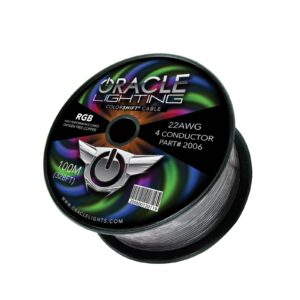
2006-504 - 22AWG 4 Conductor RGB Installation Wire 100M (328ft) Spool
$127.46- ✓ Warranty
- ✓ 30-Day Returns
- ✓ Secure Checkout

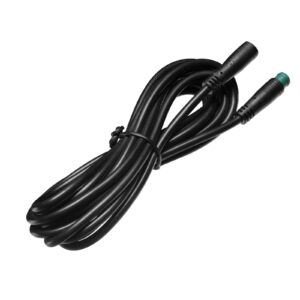
ORACLE Lighting 10ft ColorSHIFT RGB+W Rock Light Extension Cable
$8.46- ✓ Warranty
- ✓ 30-Day Returns
- ✓ Secure Checkout
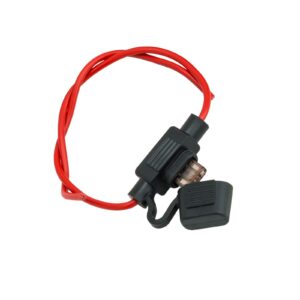
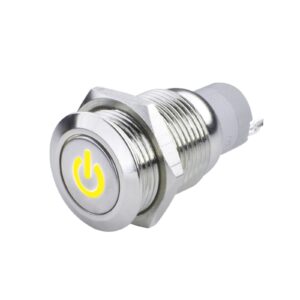
2009-006 - ORACLE Pre-Wired Power Symbol On/Off Flush Mount LED Switch
$21.21- ✓ Warranty
- ✓ 30-Day Returns
- ✓ Secure Checkout
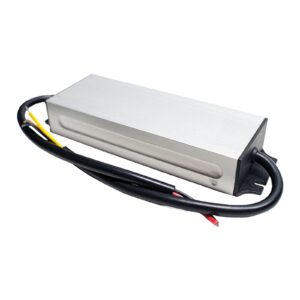
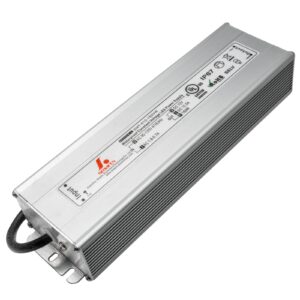
1625-504 - ORACLE 12.5A 12V 150W Power Supply UL
$101.15- ✓ Warranty
- ✓ 30-Day Returns
- ✓ Secure Checkout



Free Delivery
Free Shipping over $299

secure payment
Credit-Debit & Installments

Easy returns
30 days FREE returns

Online Support
Expert Support & HelpLine



Reviews
There are no reviews yet