















































Base Plate
Ensure safe flat towing with a durable base plate. Securely connect your tow bar to your vehicle’s frame for reliable and worry-free journeys.


Base Plate: Your Guide to Safe Flat Towing
Flat towing, also known as dinghy towing, allows you to tow a vehicle behind a motorhome or another towing vehicle with all four wheels on the ground. A base plate is a crucial component in this process, providing a secure and reliable connection point for the tow bar. This guide provides comprehensive information to understand base plates, from their function and features to choosing the right one and maintaining it for safe towing. According to industry standards, proper base plate installation and maintenance are critical for safe and effective flat towing.
What is a Base Plate?
Understanding the Base Plate’s Function
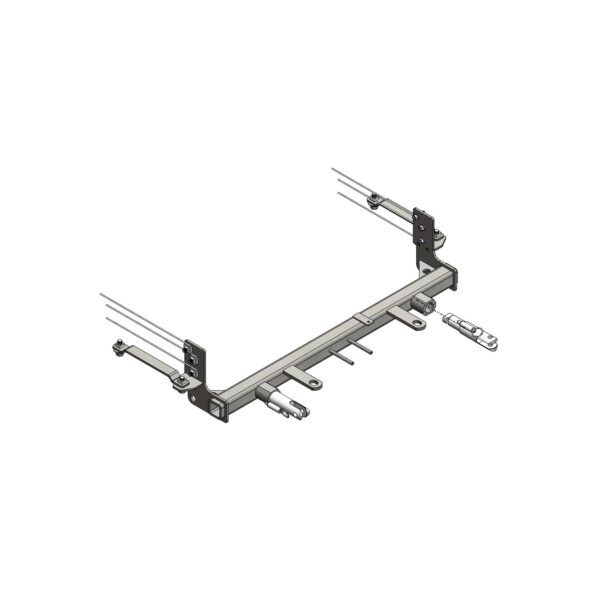
A base plate is a structural component specifically designed to mount onto the frame of a vehicle that will be towed. Its primary function is to provide a secure and stable connection point for the tow bar. The tow bar then connects the towed vehicle to the towing vehicle, enabling the towed vehicle to follow the movements of the towing vehicle. Without a properly installed and functioning base plate, safe flat towing is not possible. It is engineered to withstand the stresses and forces exerted during towing, ensuring that the connection remains secure throughout the journey. Different manufacturers use varying designs, but the core function remains the same: to facilitate a safe and reliable towing connection.
Key Components of a Base Plate System
A base plate system typically includes the base plate itself, mounting hardware (bolts, brackets, and spacers), and often, removable tabs or brackets where the tow bar connects. The base plate is constructed to fit the frame of the specific vehicle model. The mounting hardware ensures a secure attachment to the vehicle’s frame, distributing the towing load evenly. Removable tabs offer convenience and aesthetics when the vehicle is not being towed. The design of the base plate and its components aims to provide a robust, reliable, and straightforward solution for flat towing.
Key Features of a Base Plate
Material Composition
The materials used in constructing a base plate are critical for its durability, strength, and longevity. The majority of base plates are made from either steel or aluminum, each offering distinct advantages. Steel base plates are known for their exceptional strength and resistance to wear, making them a durable option for heavy-duty towing applications. They can withstand significant stresses and provide a robust connection. Aluminum base plates are lighter, which can be beneficial in reducing the overall weight added to the vehicle. They are also resistant to corrosion, which can prolong their lifespan, especially in environments with exposure to the elements. The choice between steel and aluminum often depends on the specific towing needs and the trade-off between weight and strength.
Mounting and Compatibility
Base plates are engineered to be vehicle-specific, ensuring a precise fit and secure installation. The mounting process involves attaching the base plate directly to the vehicle’s frame using the provided hardware. Compatibility is crucial; each base plate is designed to match the frame specifications of a particular make, model, and often, a specific year of the vehicle. This precision fit is essential for the base plate to function effectively and safely. Base plate kits typically include all necessary hardware, such as bolts, brackets, and any specialized components required for a secure and stable attachment. When choosing a base plate, it is vital to verify compatibility to guarantee the product fits the vehicle correctly.
Design Considerations
Base plates incorporate various design elements to enhance their functionality and aesthetics. Many base plates feature a powder-coated finish, which not only improves the appearance but also adds a layer of protection against rust and corrosion. This coating increases the base plate’s lifespan by protecting it from environmental factors. Removable tabs or brackets are another common design feature, allowing for easy removal of the tow bar connection points when the vehicle is not being towed. This design prevents these components from obstructing the vehicle’s appearance or functionality when not in use. The design of a base plate is a balance of strength, ease of use, and visual appeal, all of which contribute to a safer and more convenient towing experience.
Choosing the Right Base Plate
Vehicle Compatibility
Selecting the appropriate base plate is essential for a successful and safe flat towing setup. The first step is to confirm the base plate’s compatibility with the specific vehicle. This means verifying the make, model, and year of the vehicle, as base plates are precisely engineered for different vehicles. Checking the manufacturer’s specifications or using an online fitment tool can help to ensure compatibility. Using the wrong base plate can lead to improper fit, reduced safety, and potential damage to the vehicle. Always prioritize accuracy and confirm the base plate matches the vehicle’s frame design. If you are unsure, consulting a professional installer is advisable to ensure proper fitment and avoid any complications.
Vehicle Make and Model
Base plates are designed to match the frame specifications of various vehicle makes and models. This specificity ensures a secure and reliable fit. When selecting a base plate, it is important to find one designed for the precise make and model of the vehicle to be towed. Different vehicles have different frame designs, and the base plate must align perfectly with the vehicle’s frame for the system to function safely. It is always crucial to check the manufacturer’s specifications or use an online fitment tool, which will guide users to a base plate designed to work seamlessly with their vehicle.
Year of Manufacture
The year of manufacture is a critical factor in base plate compatibility. Vehicle frames can change from one model year to the next, even within the same make and model. Therefore, the base plate must match the specific year of the vehicle. Always specify the year when searching for a base plate. The base plate’s mounting points and frame dimensions might vary, and using a base plate designed for a different year could result in improper fitment, which may compromise safety and void any warranty. Always double-check this detail with the manufacturer to confirm the correct product for a particular year model.
Fitment Tools
Online fitment tools are invaluable resources for selecting the correct base plate. These tools allow users to enter their vehicle’s make, model, and year, providing a list of compatible base plates. They typically display all the product options that will work with the vehicle’s specifications. Reputable manufacturers provide these tools on their websites, making it easy for consumers to find the right fit. Using these tools helps ensure accurate selection, avoiding potential errors and saving time. If an online fitment tool isn’t available, consulting the manufacturer’s catalog or contacting a customer service representative can provide the necessary information.
Installation Process
Installing a base plate typically involves attaching the plate to the vehicle’s frame, which involves several key steps. The first is to gather the necessary tools, which generally include a socket set, wrenches, a torque wrench, and possibly a drill. Refer to the manufacturer’s instructions for specific tool requirements. Then, position the base plate against the vehicle’s frame, aligning the mounting points. Next, securely attach the base plate using the provided hardware, tightening the bolts to the manufacturer’s recommended torque specifications. Finally, connect any wiring for lights or other electrical components. Always follow the installation instructions, as provided by the manufacturer, for safety and product warranty requirements.
Tools Required
A standard base plate installation requires several tools to ensure proper and secure attachment. Common tools include a ratchet set with various sockets, open-end wrenches for different bolt sizes, and a torque wrench to tighten bolts to the specified torque. A drill may be needed if the vehicle requires any frame modifications for installation, and a wire cutter/stripper can be helpful for wiring any electrical components. Safety glasses and work gloves are also recommended. Always consult the base plate’s installation manual for a complete list of the necessary tools.
Step-by-Step Guide
While installation processes can vary slightly depending on the vehicle and base plate model, the general process involves a few key steps. First, carefully read the installation manual and gather the necessary tools and equipment. Then, position the base plate components against the vehicle’s frame, ensuring proper alignment with existing mounting points. Next, attach the base plate to the frame using the provided hardware, typically bolts. Tighten all bolts to the specified torque values to ensure a secure and stable connection. Finally, check the alignment, and connect any wiring for the vehicle’s electrical components, such as the vehicle’s lights. It’s essential to follow each step in the manual to avoid any safety issues.
Professional Installation
If you are not familiar with automotive work or are unsure about installing a base plate yourself, professional installation is a recommended option. Professional installers have the experience, tools, and expertise needed to correctly install base plates, and they can ensure the base plate is securely mounted, aligned correctly, and all wiring is properly connected. Professional installation can also provide the peace of mind that the base plate will function correctly and safely. Furthermore, some manufacturers may require professional installation to validate the warranty. If you are uncertain, consider using a professional installer.
Base Plate Safety and Maintenance
Safety Features and Considerations
Ensuring safety when flat towing requires attention to detail, with several key safety features playing a crucial role. The base plate is designed to withstand the stresses of towing, however, several aspects must be checked. The most important is a secure connection between the base plate and tow bar. Ensure that the tow bar connects properly to the base plate’s connection points. Safety cables are another critical safety feature. These cables should be connected between the towed vehicle and the towing vehicle to prevent complete separation in the event of a failure of the primary connection. Additionally, it is important to adhere to the weight capacity of the base plate. Exceeding the rated weight capacity may lead to failure and is a significant safety risk.
Secure Connection
The connection between the base plate and the tow bar must be secure and reliable to prevent accidents. This connection is the primary point of contact between the towed and towing vehicles, and any looseness or failure can have serious consequences. Ensure that all components, including pins, clips, and locks, are in good condition and properly engaged. Regular inspections of the connection points are vital, especially before each trip. Check for any signs of wear, such as corrosion, damage, or excessive play. Following the manufacturer’s instructions for connecting and disconnecting the tow bar is essential to maintain the integrity of the connection and, therefore, safety.
Safety Cables
Safety cables are designed to act as a secondary safety measure, preventing complete separation of the towed and towing vehicles if the primary connection fails. These cables should be attached securely between the towed and towing vehicles, creating a backup system. The safety cables should be crossed to create a cradle-like effect. Always ensure the safety cables are in good condition and are of the proper length and rating for the towing setup. Regularly inspect safety cables for fraying, damage, or corrosion, and replace them if any wear is observed. They provide an additional layer of protection.
Weight Capacity
Adhering to the weight capacity of the base plate and the towing vehicle is critical for safe towing. The base plate, like any towing component, has a maximum weight limit. Overloading the base plate can lead to failure, posing a serious safety risk. The weight capacity is usually listed in the specifications of the base plate and is also often stamped on the plate itself. Also, make sure that the vehicle’s towing capacity is not exceeded. The vehicle’s manual will contain information about its towing capacity. Before each trip, verify the combined weight of the towed vehicle and all cargo does not exceed the lower of the base plate’s capacity or the towing vehicle’s capacity. Exceeding the capacity of either component can lead to accidents.
Maintenance and Care
Regular maintenance and care are essential to keep a base plate in optimal condition and ensure its longevity. Routine inspections, cleaning, and proper storage all contribute to preserving the functionality and safety of the base plate. A well-maintained base plate is less likely to experience failures and can provide years of reliable service. Regularly adhering to these maintenance tasks helps to maintain the performance and ensure the base plate lasts for many years.
Regular Inspection
Regular inspection of the base plate is essential for identifying potential issues before they lead to safety concerns. Before each towing trip, inspect the base plate, the connecting points, and all hardware for any signs of wear or damage. Check for corrosion, cracks, or any looseness in the mounting hardware. Inspect the safety cables for fraying or damage. Lubricate moving parts, such as locking mechanisms, to ensure smooth operation. If any issues are discovered, address them promptly or have a professional inspect the base plate. Regular inspection is a crucial part of safe towing practices.
Cleaning and Lubrication
Cleaning and lubricating the base plate helps to protect it from the elements, prevent corrosion, and ensure smooth operation. After each towing trip, or at least seasonally, remove any dirt, grime, or road salt that may have accumulated on the base plate. Use a mild soap and water solution to clean the base plate, then rinse it thoroughly and let it dry. After cleaning, lubricate any moving parts, such as locking mechanisms, using a lubricant designed for automotive use. This helps to prevent rust, reduce wear, and ensure the smooth function of the base plate’s components. If the base plate has a powder coat, avoid using abrasive cleaners that could damage the finish. Routine cleaning and lubrication can significantly extend the life and functionality of the base plate.
Storage
Proper storage of a base plate can help extend its life and prevent damage when it is not in use. When the base plate is not in use, store it in a clean, dry place away from the elements. If the base plate has removable components, such as the tow bar connection points, store these in a secure location to prevent loss. Covering the base plate with a protective cover, if available, can help prevent the accumulation of dirt and moisture. By storing the base plate properly, you can protect it from corrosion and other environmental factors, ensuring it is ready for the next towing trip. Proper storage protects your investment and maintains its performance over time.
| Weight | 16.78 kg |
|---|---|
| Dimensions | 43 × 12 × 10 cm |
Q & A
You Might Also Like

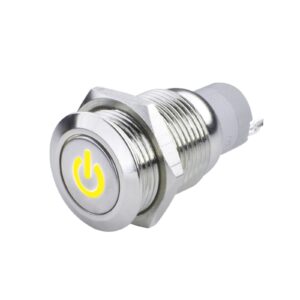
2009-006 - ORACLE Pre-Wired Power Symbol On/Off Flush Mount LED Switch
$21.21- ✓ Warranty
- ✓ 30-Day Returns
- ✓ Secure Checkout
2009-504 - Male Spade Crimp Connector 18-22AWG (x100)
$8.46- ✓ Warranty
- ✓ 30-Day Returns
- ✓ Secure Checkout
2009-004 - ORACLE Pre-Wired Power Symbol On/Off Flush Mount LED Switch
$21.21- ✓ Warranty
- ✓ 30-Day Returns
- ✓ Secure Checkout



Free Delivery
Free Shipping over $299

secure payment
Credit-Debit & Installments

Easy returns
30 days FREE returns

Online Support
Expert Support & HelpLine



Reviews
There are no reviews yet