











































Base Plate
Get a custom base plate for your auto or truck. These reliable towing solutions ensure safe and secure flat towing for RVs and vehicle transport.
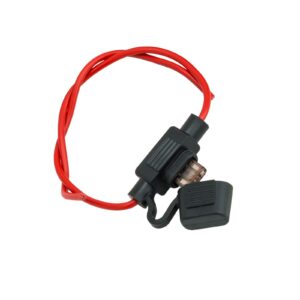
What is a Base Plate for Towing?
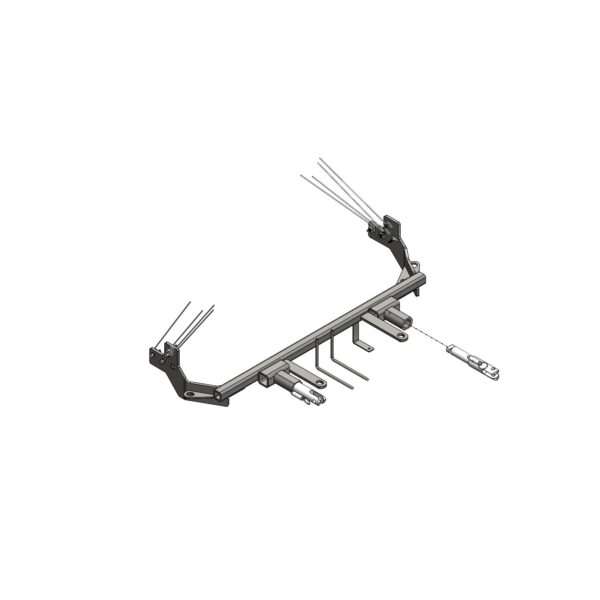
Base plates are fundamental components in flat towing systems, acting as the primary connection point between a vehicle being towed and a tow bar. This connection is crucial for safely and effectively towing a vehicle behind another. Unlike other towing methods, flat towing, also known as four-wheel towing, keeps all four wheels of the towed vehicle on the ground. This method is especially popular for RV enthusiasts and those needing to transport their vehicles long distances. Base plates are designed to attach securely to the frame of the vehicle, providing a robust and reliable anchor for the tow bar. Their design ensures a stable and secure towing experience, minimizing the risk of accidents and damage to the towed vehicle. According to industry standards, proper installation and maintenance are key to ensure the longevity of your base plate.
Understanding the Role of a Base Plate
The primary function of a base plate is to provide a solid and reliable connection between the towed vehicle and the tow bar. This connection facilitates the transfer of force and movement from the towing vehicle to the towed vehicle. Base plates are engineered to withstand the stresses of towing, ensuring that the connection remains secure even under challenging road conditions or during sudden maneuvers. They work in tandem with the tow bar to create a stable towing platform, allowing the towed vehicle to follow the movements of the towing vehicle safely. By securely attaching to the vehicle’s frame, base plates help distribute the towing load, reducing the risk of damage to the vehicle’s chassis and suspension. Proper selection and installation of a base plate are vital for a safe and efficient towing experience.
Base Plate Applications: Vehicles and Use Cases
Base plates are designed to be compatible with a wide range of vehicles, including cars, trucks, SUVs, and some vans. They are particularly popular among RV owners, as flat towing allows them to bring a personal vehicle along for travel without the need for a trailer. Flat towing is also commonly used for recreational activities, such as towing a vehicle to a trail or a remote location. Base plates are engineered to fit specific vehicle makes and models, ensuring a secure and precise fit. They are a crucial component of flat towing systems, offering a reliable and convenient way to transport a vehicle behind another. For example, a typical base plate might have a weight capacity of 10,000 pounds and a tongue weight of 500 pounds.
Key Features and Benefits of a Base Plate System
Base plate systems offer several key features and benefits that contribute to a safer, more convenient, and more reliable towing experience. These include enhanced towing safety, ease of installation and use, and the protection of the towed vehicle. The combination of these features makes base plate systems a preferred choice for many vehicle owners who regularly tow their vehicles. According to experts, proper maintenance and regular inspection of a base plate system can greatly enhance its lifespan and reliability.
Enhanced Towing Safety
A well-designed base plate system significantly enhances towing safety by providing a secure and stable connection between the towed vehicle and the tow vehicle. The secure connection minimizes the risk of separation during towing. The design of the base plate, in conjunction with the tow bar, reduces sway, ensuring the towed vehicle follows the towing vehicle smoothly, even at higher speeds or in windy conditions. The base plate’s secure attachment to the vehicle’s frame helps distribute towing forces evenly, reducing stress on the vehicle’s components and minimizing the risk of accidents. A high-quality base plate system can also include safety chains or other features that provide an extra layer of protection in case of a failure in the primary connection. Regular checks of the system will enhance safety.
- Secure Connection: The secure connection provided by a base plate ensures that the towed vehicle remains firmly attached to the towing vehicle throughout the journey, reducing the risk of separation or detachment. This firm connection is achieved through a robust design that properly fits the vehicle.
- Reduced Sway: Base plates, in conjunction with a properly designed tow bar, help minimize sway, a dangerous lateral movement that can occur during towing. This is achieved through a combination of secure attachment points and the design of the tow bar, which helps keep the towed vehicle aligned with the towing vehicle.
- Stability: Base plates enhance overall stability by distributing the towing load evenly across the vehicle’s frame. This helps to prevent the towed vehicle from experiencing erratic movements or instability, even on uneven road surfaces or during turns.
Ease of Installation and Use
Base plate systems are designed with ease of installation and use in mind. Most systems come with detailed instructions and all necessary hardware, making it possible for a vehicle owner to install the base plate themselves with the right tools. The use of custom-fit designs further simplifies the installation process, as the base plate is engineered to match the specific vehicle’s make and model. The user-friendly nature of base plate systems extends to their operation, with simple and intuitive mechanisms for connecting and disconnecting the tow bar. This ease of use saves time and effort, allowing users to quickly and efficiently set up their vehicles for towing. It is important to periodically check that all connections are tight.
- Installation Process: Base plate systems are designed for relatively straightforward installation, often involving bolting the base plate directly to the vehicle’s frame using provided hardware and detailed instructions. Some models may require minor modifications, such as trimming or drilling, but these are typically minimal.
- Usability: The overall design of base plate systems emphasizes ease of use, with intuitive mechanisms for connecting and disconnecting the tow bar. Many systems feature quick-release pins or levers, allowing for effortless setup and takedown.
Vehicle Compatibility and Protection
Base plates are engineered for specific vehicle makes and models, ensuring a precise and secure fit. This custom-fit design guarantees that the base plate integrates seamlessly with the vehicle’s frame, maximizing its performance and safety. The durability of base plates is another key aspect, with manufacturers using high-quality materials, such as powder-coated steel or aluminum, to withstand the stresses of towing and protect the vehicle from wear and tear. The design of base plates also protects the vehicle by distributing towing forces evenly, which helps to prevent damage to the vehicle’s frame and suspension. A properly installed base plate system will provide years of reliable service.
Choosing the Right Base Plate for Your Vehicle
Choosing the right base plate for your vehicle is a crucial step in ensuring a safe and efficient towing experience. The selection process involves considering vehicle compatibility, the materials used in the base plate’s construction, and the weight capacity of the towing system. By taking the time to assess these factors, you can ensure that you select a base plate that meets your specific needs and provides the necessary level of performance and protection. Improper selection can lead to safety issues and potential damage to your vehicle. It is important to consult with a professional or refer to vehicle-specific documentation to choose the right base plate.
Vehicle Make and Model Compatibility
Vehicle make and model compatibility is the most important factor in selecting a base plate. Base plates are not universal; they are specifically designed to fit certain vehicles. Before purchasing a base plate, you should verify its compatibility with your vehicle’s make, model, and year. Using the correct base plate ensures a secure and proper fit, which is vital for both safety and performance. Verify your vehicle’s compatibility by checking with the base plate manufacturer or consulting their product catalog or website. Installing an incompatible base plate can compromise the integrity of the towing system, leading to potential safety issues and damage to your vehicle. Always make sure the base plate is designed specifically for your vehicle’s frame and chassis.
Material and Durability Considerations
The materials used in the construction of a base plate significantly affect its durability and longevity. The most common materials are steel and aluminum, each offering different benefits. Steel base plates are known for their strength and durability, making them a robust choice for heavy-duty towing applications. Steel base plates are also more resistant to impact and wear. Aluminum base plates offer the advantage of being lighter, which can improve fuel efficiency and reduce the overall weight of the towing setup. However, aluminum base plates may not be as strong as steel, particularly in high-stress situations. Both materials are typically coated with a protective finish, such as powder coating or a rust-resistant coating, to protect them from corrosion and environmental damage. For example, powder coating is an excellent choice for its scratch resistance and longevity.
When choosing between steel and aluminum, consider the type of towing you will be doing, the weight of your vehicle, and the environmental conditions where you will be towing. For frequent or heavy-duty towing, a steel base plate may be the better choice. For occasional towing, where weight is a concern, an aluminum base plate might be suitable. Regardless of the material, regular maintenance and inspection are essential to ensure the base plate remains in good condition and provides a safe and reliable towing experience. Consider a rust-resistant coating if you live in an area with harsh weather conditions.
Weight Capacity and Towing Limits
Understanding the weight capacity of a base plate is essential for safe towing. The weight capacity of a base plate, along with the towing limits of the towing vehicle and the towed vehicle, must be considered when selecting a base plate. The base plate’s weight capacity should always be equal to or greater than the gross vehicle weight rating (GVWR) of the towed vehicle. Exceeding the base plate’s weight capacity can lead to damage and potentially a failure of the towing system, resulting in a dangerous situation. In addition to the base plate’s weight capacity, you must also consider the towing capacity of your towing vehicle. Never exceed the towing limits specified by the manufacturer of your towing vehicle. Check the vehicle’s owner’s manual or consult with a professional to determine the appropriate towing capacity for your vehicle.
Installation and Maintenance Guide
Proper installation and regular maintenance are essential for ensuring the longevity, safety, and reliability of your base plate system. Following the step-by-step instructions for installation and performing routine maintenance can help you avoid problems and ensure a smooth towing experience. According to industry experts, the most common mistake made is improper installation. By investing time in these aspects, you can protect your investment and enjoy years of safe and trouble-free towing. Remember, if you’re not comfortable with the installation, you can always seek professional assistance.
Step-by-Step Installation Instructions
The installation process for a base plate system will vary depending on the vehicle make and model. However, the general steps typically include preparing the vehicle, attaching the base plate to the frame, and connecting the base plate to the tow bar. Always refer to the specific installation instructions provided by the base plate manufacturer. These instructions contain detailed, step-by-step guidance, including torque specifications, diagrams, and any special requirements for your vehicle. Installation may involve removing parts of the vehicle, such as the front bumper, to access the frame. Use the correct tools and follow the instructions carefully to ensure a secure and proper fit. Safety should be your top priority. If any step of the installation seems difficult or confusing, consult a professional.
Here is a general guide:
- Prepare the Vehicle: Park your vehicle on a level surface and engage the parking brake. Disconnect the negative battery cable to prevent electrical shorts.
- Locate Mounting Points: Identify the mounting points on the vehicle’s frame where the base plate will attach. These points are typically pre-drilled holes or existing bolts.
- Attach the Base Plate: Position the base plate against the frame and secure it using the provided hardware. Ensure all bolts are tightened to the manufacturer’s specifications.
- Reassemble Vehicle Components: If necessary, reinstall any components you removed during the preparation phase, such as the bumper or trim.
- Connect to Tow Bar: Once the base plate is securely installed, you can connect it to the tow bar. Follow the tow bar manufacturer’s instructions for connecting the base plate to the tow bar.
It is highly recommended that you use a torque wrench to tighten the bolts to the specifications provided in the installation instructions. Over-tightening or under-tightening the bolts can compromise the integrity of the system. Do not skip any steps, and double-check your work.
Regular Maintenance and Inspection
Regular maintenance and inspection are crucial for keeping your base plate in optimal condition and ensuring safe towing. Performing routine checks and taking preventative measures can help identify and address potential issues before they become major problems. Establish a regular maintenance schedule to ensure that you don’t overlook important tasks. The schedule will vary depending on how frequently you tow and the conditions in which you tow. Regular inspections, at least every 6 months, should be part of this routine. These include checking for wear and tear, corrosion, and any damage to the base plate, the mounting hardware, and the tow bar connections.
- Maintenance Schedule: Establish a regular maintenance schedule that includes visual inspections before each towing trip and more thorough inspections every few months. The frequency of your maintenance will depend on the amount and type of use.
- Replacement Parts: If you notice any damage or wear on the base plate or its components, replace the damaged parts immediately. This may include bolts, pins, or other hardware. Always use genuine replacement parts from the manufacturer or a reputable supplier to ensure quality and compatibility.
Troubleshooting Common Base Plate Issues
Even with proper installation and maintenance, you may encounter issues with your base plate system. Knowing how to troubleshoot common problems can help you resolve them quickly and efficiently, preventing potential safety hazards and ensuring a smooth towing experience. Always prioritize safety. If you are not comfortable addressing an issue yourself, do not hesitate to seek professional assistance. Many issues can be resolved with simple adjustments or repairs. Regularly inspecting your towing system and understanding common issues will save you time and avoid potential problems.
Common Issues and Solutions
Several common issues can arise with base plate systems. One common issue is improper fit or alignment. This can be due to incorrect installation or damage to the base plate. The solution involves rechecking the installation instructions, ensuring that all bolts are tightened to the correct torque specifications, and verifying that the base plate is properly aligned with the vehicle’s frame. Another common issue is corrosion or rust. The solution involves cleaning and applying a protective coating to prevent further damage. If you notice damage to the base plate, mounting hardware, or tow bar connections, replace the damaged parts immediately. Always check for loose or missing hardware and tighten or replace it as needed. A final example is the issues with the lights. Always check connections and replace bulbs to make sure you have adequate visibility.
Safety Checks and Best Practices
Before each towing trip, you should perform a series of safety checks to ensure that your base plate system is functioning correctly. These checks help to identify any potential issues before you start towing, preventing accidents and protecting both vehicles. Begin by inspecting the base plate, tow bar, and all connections for any signs of damage, wear, or corrosion. Ensure that all bolts are tightened to the proper torque specifications and that all safety chains are securely attached. Check the lights on the towed vehicle to ensure that they are functioning correctly. Perform a test drive to ensure that the towing system is operating smoothly and that the towed vehicle is tracking properly behind the towing vehicle. If you encounter any issues during these checks, address them before towing.
Conclusion: Ensuring a Safe and Efficient Towing Experience
Base plates are a vital component in flat towing systems, providing a secure and reliable connection between your towed vehicle and your towing vehicle. The proper selection, installation, and maintenance of a base plate system are essential for ensuring a safe and efficient towing experience. By understanding the function of base plates, the key features, and how to choose the right one for your vehicle, you can confidently prepare your vehicle for towing. Prioritize safety above all else. A correctly installed and maintained base plate system provides peace of mind, allowing you to enjoy your journeys with confidence. Regular inspection and adherence to maintenance guidelines are critical to the longevity of your towing system and your safety. If you are looking to start your towing journey, research the best base plate for your auto or truck!
Related Topics
Explore related topics and categories:
- Tow Bars – Connects the base plate to the tow vehicle.
- Trailer Hitch – The hardware needed to hook up the trailer to the vehicle
Explore Towing Systems
Learn more about complete towing solutions for autos and trucks: [Category Name: Towing Systems].
| Weight | 19.5 kg |
|---|---|
| Dimensions | 46 × 22 × 10 cm |
Q & A
You Might Also Like
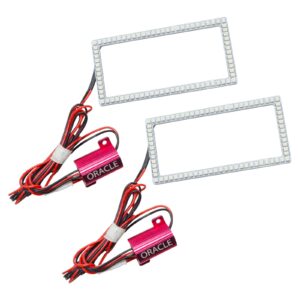
1530-001 - Chevrolet Silverado 2014-2015 ORACLE LED Fog Halo Kit
$106.21- ✓ Warranty
- ✓ 30-Day Returns
- ✓ Secure Checkout
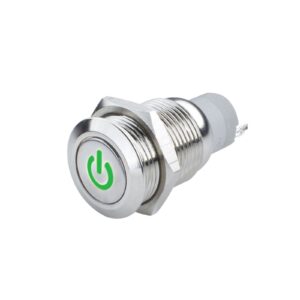
2009-004 - ORACLE Pre-Wired Power Symbol On/Off Flush Mount LED Switch
$21.21- ✓ Warranty
- ✓ 30-Day Returns
- ✓ Secure Checkout
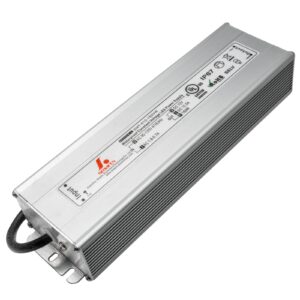
1625-504 - ORACLE 12.5A 12V 150W Power Supply UL
$101.15- ✓ Warranty
- ✓ 30-Day Returns
- ✓ Secure Checkout
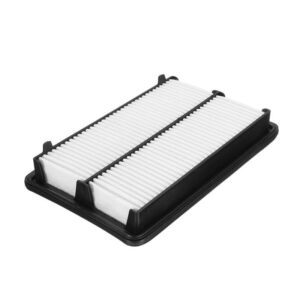
General Elektrik Indoor Air Filter (IAF-003)
Original price was: $35.00.$30.00Current price is: $30.00.- ✓ Warranty
- ✓ 30-Day Returns
- ✓ Secure Checkout
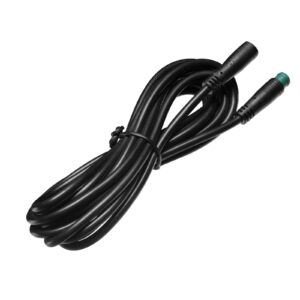
ORACLE Lighting 10ft ColorSHIFT RGB+W Rock Light Extension Cable
$8.46- ✓ Warranty
- ✓ 30-Day Returns
- ✓ Secure Checkout




Free Delivery
Free Shipping over $299

secure payment
Credit-Debit & Installments

Easy returns
30 days FREE returns

Online Support
Expert Support & HelpLine



Reviews
There are no reviews yet