












































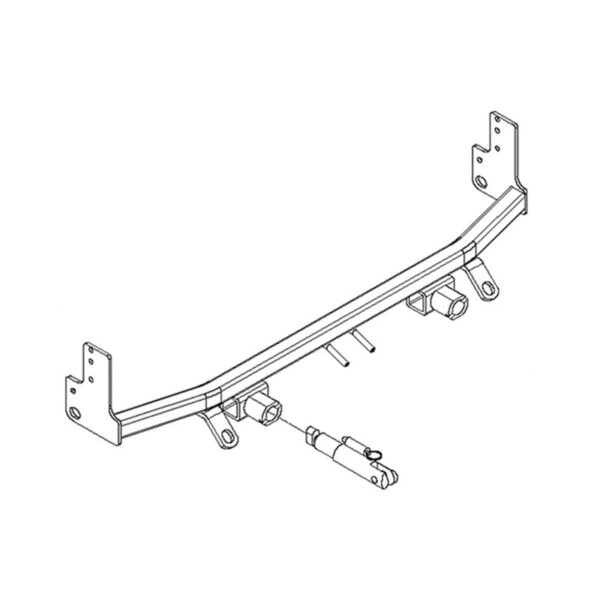
Base Plate
Find the right base plate for towing your vehicle. Get enhanced safety, vehicle-specific designs, and easy installation. Choose yours today!

What is a Tow Bar Base Plate?
Definition and Purpose
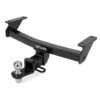
A tow bar base plate is a crucial component for flat towing a vehicle, serving as the primary connection point between the towed vehicle and the tow bar. Its purpose is to securely attach the tow bar to the vehicle’s frame, enabling the vehicle to be safely towed behind another vehicle. According to industry standards, base plates are designed to withstand significant forces, ensuring a reliable connection throughout the towing process.
Key Components and Design
Base plates are typically constructed from robust materials such as steel or high-strength aluminum to ensure durability and resistance to wear and tear. The design incorporates several key features. Attachment points are strategically positioned to align with the vehicle’s frame, utilizing existing bolt holes or requiring some drilling for secure fastening. The base plate’s design also considers the vehicle’s specific make and model to ensure a proper fit and to maintain the vehicle’s structural integrity. Some base plates incorporate safety features, such as reinforced stress points and corrosion-resistant coatings to extend their lifespan and enhance safety.
Benefits of Using a Tow Bar Base Plate
Enhanced Safety and Stability
Using a tow bar base plate significantly enhances the safety and stability of the towing setup. A properly installed base plate provides a secure and rigid connection between the towed vehicle and the tow bar, minimizing the risk of detachment during transit. This secure attachment is critical for preventing accidents and ensuring the safety of both the towed vehicle and the towing vehicle. Furthermore, a well-designed base plate contributes to a stable towing experience by reducing sway and minimizing unwanted movement. It helps keep the towed vehicle aligned with the towing vehicle, especially during turns and on uneven road surfaces. Proper alignment and stability are essential for a smooth and controlled towing experience, reducing stress on both vehicles and increasing overall safety. Using a base plate can also meet specific safety standards and certifications that are required for towing in many areas. This ensures the towing setup meets the necessary requirements for safe and legal operation.
- Benefit 1: Secure Connection: Base plates offer a robust and reliable connection point, which reduces the risk of separation during towing.
- Benefit 2: Stable Towing: Vehicle-specific designs optimize weight distribution and alignment, promoting stability and reducing sway.
Vehicle-Specific Design and Fit
Vehicle-specific design is a critical aspect of base plate functionality, ensuring optimal performance and seamless integration with the vehicle. Base plates are meticulously engineered to match the specific make, model, and year of a vehicle, allowing for a precise and secure fit. This custom design approach ensures that the base plate aligns perfectly with the vehicle’s frame and mounting points, maximizing the strength and stability of the connection. It is important to select a base plate that is specifically designed for the vehicle to avoid compatibility issues and ensure proper functionality. A correctly fitted base plate not only enhances safety but also minimizes the risk of damage to the vehicle’s frame or components. Furthermore, a vehicle-specific design often incorporates features that maintain the vehicle’s ground clearance and aesthetic appearance, preserving the original design of the vehicle.
Easy Installation and Use
The installation of a tow bar base plate is generally designed to be user-friendly, often allowing for DIY installation with the right tools and guidance. The process typically involves bolting the base plate directly to the vehicle’s frame, utilizing existing mounting points or requiring minimal drilling. Comprehensive instructions and hardware are usually included with the base plate, guiding users through each step of the installation process. While professional installation is an option, many base plate kits are designed for straightforward DIY installation, making them accessible to vehicle owners with basic mechanical skills. Many manufacturers also offer online resources, such as video tutorials and detailed manuals, to further assist with the installation process. However, it is always important to consult the manufacturer’s instructions and follow safety precautions carefully to ensure a secure and proper installation.
How to Choose the Right Base Plate
Vehicle Compatibility
Selecting the right base plate involves ensuring compatibility with the vehicle’s make, model, and year. Base plates are not universal; they are designed specifically for certain vehicles to ensure a proper fit and secure attachment. The vehicle’s make refers to the manufacturer, such as Ford, Chevrolet, or Toyota. The model refers to the specific vehicle type, such as a Ford F-150 or a Toyota Camry. The year is crucial as it dictates the vehicle’s design and frame specifications. When selecting a base plate, consult the manufacturer’s compatibility guide or product listings to confirm it is designed for the exact make, model, and year of the vehicle. This will ensure that the base plate aligns correctly with the vehicle’s frame and mounting points. Failure to match the base plate to the vehicle can compromise safety and lead to installation difficulties.
Towing Capacity and Ratings
The towing capacity of the base plate is another critical factor to consider. It should be matched to the vehicle’s requirements and the weight of the vehicle being towed. The towing capacity refers to the maximum weight the base plate can safely handle. It is essential to verify the base plate’s towing capacity to ensure it meets or exceeds the gross vehicle weight rating (GVWR) of the towed vehicle. GVWR is the maximum operating weight of a vehicle as specified by the manufacturer, including the vehicle’s weight, passengers, cargo, and fluids. Exceeding the towing capacity can put undue stress on the base plate, tow bar, and other components, potentially leading to failure or damage. Many base plates meet safety standards and certifications, such as those set by the Society of Automotive Engineers (SAE). These certifications indicate that the base plate has been tested and meets specific safety criteria. These certifications help ensure that the base plate is designed and manufactured to withstand the stresses of towing.
Material and Construction
The choice of material and construction significantly impacts the durability and performance of a base plate. Base plates are typically constructed from either steel or aluminum, each with its own advantages. Steel base plates are known for their high strength and durability, making them suitable for heavy-duty towing. They can withstand significant forces and offer a robust connection. Steel is often more cost-effective than aluminum, making it an attractive option for many users. Aluminum base plates are favored for their lightweight properties, which can reduce the overall weight of the towing setup. This can improve fuel efficiency and reduce strain on the towing vehicle. Aluminum is also resistant to corrosion, which can extend the lifespan of the base plate, particularly in areas with harsh weather conditions. Finish types, such as powder-coating, add an additional layer of protection and aesthetic appeal. Powder-coating provides a durable, corrosion-resistant finish that protects the base plate from the elements. It also offers a sleek and professional appearance, enhancing the overall look of the towing setup.
Installation Guide and Tips
Preparation and Tools
Before installing a tow bar base plate, gather the necessary tools and materials. This typically includes a socket set, wrenches, a torque wrench, a drill, a measuring tape, and safety glasses. You will also need the base plate kit, which includes the base plate itself, mounting hardware, and installation instructions. The first step in preparing for installation involves reading the manufacturer’s instructions thoroughly. Familiarize yourself with the steps, diagrams, and safety precautions before you begin. Then, prepare the vehicle by parking it on a level surface and engaging the parking brake. Disconnect the vehicle’s battery to prevent any electrical shorts during the installation process. Ensure that you have a clear, well-lit workspace, and consider using jack stands to support the vehicle if you need to work underneath it. Following the manufacturer’s instructions precisely is paramount to ensure a secure and proper installation.
Step-by-Step Installation
Follow these general steps, but always refer to the manufacturer’s instructions for specific details. Installation steps may vary depending on the vehicle and base plate model, so the manufacturer’s instructions are the definitive guide.
- Step 1: Preparations: Prepare the vehicle by disconnecting the battery and safely raising it to access the frame. Identify and clean the mounting points on the vehicle’s frame.
- Step 2: Frame attachment: Attach the base plate to the vehicle’s frame, aligning the mounting holes and using the provided hardware. Securely tighten the bolts to the manufacturer’s specified torque specifications.
- Step 3: Tow Bar Connection: Connect the tow bar to the base plate, ensuring proper alignment and secure locking mechanisms. Double-check all connections and ensure the safety chains are properly attached.
Safety Precautions and Tips
Prioritize safety throughout the installation and use of the base plate. Always wear safety glasses and use appropriate protective gear. Double-check all connections and ensure all bolts are tightened to the manufacturer’s specifications. Before towing, inspect the base plate, tow bar, and all connections for any signs of wear, damage, or looseness. Ensure the safety chains are properly secured. Regularly inspect the base plate for corrosion or damage, especially after towing in harsh conditions. If any issues are identified, address them immediately or consult a professional. Following these safety precautions will help ensure a secure and reliable towing experience.
Base Plate Maintenance and Care
Regular Inspections
Routine inspections are vital for ensuring the longevity and safety of the base plate. Perform inspections before each towing trip and at regular intervals, such as every three months or 3,000 miles, depending on usage. Check for any signs of wear and tear, such as cracks, bends, or corrosion on the base plate. Examine the welds for any indications of stress or failure. Inspect the mounting bolts to ensure they are securely fastened and have not loosened. Pay close attention to the connection points between the base plate and the tow bar, ensuring they are free of debris and functioning correctly. Check the safety chains for fraying, damage, or proper attachment. Any issues detected during the inspection should be addressed promptly. Addressing these issues early can prevent more significant problems and ensure the continued safety and reliability of the towing setup.
Cleaning and Lubrication
Proper cleaning and lubrication are essential for maintaining the base plate. Clean the base plate regularly to remove dirt, road salt, and debris, which can cause corrosion. Use a mild soap and water solution to wash the base plate and then rinse thoroughly. Avoid using harsh chemicals or abrasive cleaners, which can damage the finish. After cleaning, dry the base plate completely to prevent rust. Lubricate any moving parts, such as the locking mechanisms and pins, with a suitable lubricant, like white lithium grease, to ensure smooth operation and prevent wear. Follow a maintenance checklist to document your inspections and maintenance activities, ensuring a consistent approach to caring for your base plate. This can help you track any recurring issues and maintain a log of maintenance actions taken, which may be useful for future reference. Regular cleaning and lubrication will extend the life of the base plate and keep it operating safely and efficiently.
Troubleshooting Common Issues
Familiarizing yourself with common issues will help resolve any problems quickly. Loose bolts are a frequent issue, so regularly check the bolts to ensure they are properly tightened to the manufacturer’s specifications. Corrosion can compromise the base plate’s structural integrity, so address any rust or corrosion promptly by cleaning and applying a rust inhibitor or protective coating. Misalignment can cause difficulties in connecting the tow bar, so check that the base plate is correctly aligned with the tow bar and the vehicle. If the base plate becomes bent or damaged, it may need to be replaced, as this can affect its ability to support the vehicle. Always consult the manufacturer’s instructions or seek professional assistance if you encounter complex problems or are unsure of how to proceed. Addressing issues promptly ensures the safety and reliability of the base plate. By taking these steps, you can keep your base plate in optimal condition and ensure safe and reliable towing.
| Weight | 18.14 kg |
|---|---|
| Dimensions | 44 × 11 × 10 cm |
Q & A
You Might Also Like
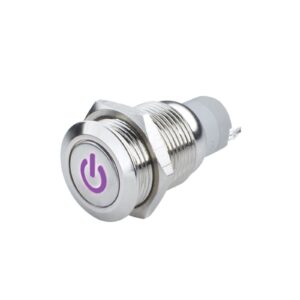
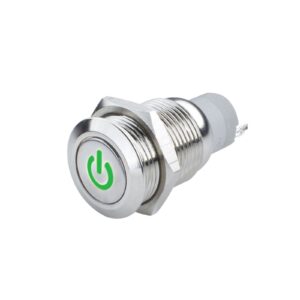
2009-007 - ORACLE Pre-Wired Power Symbol On/Off Flush Mount LED Switch
$21.21- ✓ Warranty
- ✓ 30-Day Returns
- ✓ Secure Checkout
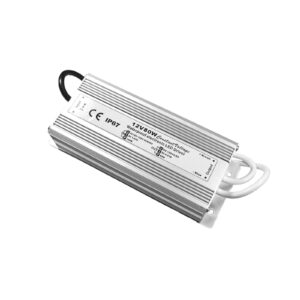
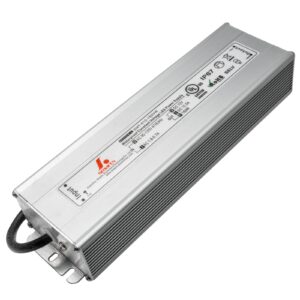
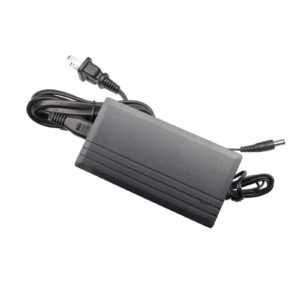
1625-504 - ORACLE 12.5A 12V 150W Power Supply UL
$101.15- ✓ Warranty
- ✓ 30-Day Returns
- ✓ Secure Checkout
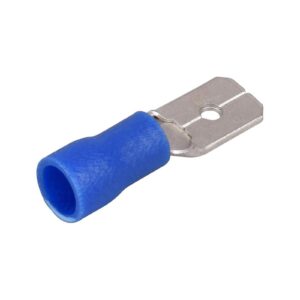
2009-504 - Male Spade Crimp Connector 18-22AWG (x100)
$8.46- ✓ Warranty
- ✓ 30-Day Returns
- ✓ Secure Checkout
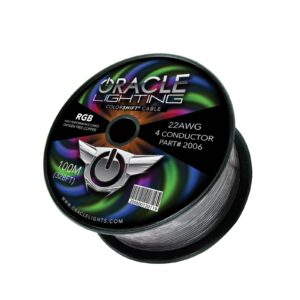
2006-504 - 22AWG 4 Conductor RGB Installation Wire 100M (328ft) Spool
$127.46- ✓ Warranty
- ✓ 30-Day Returns
- ✓ Secure Checkout
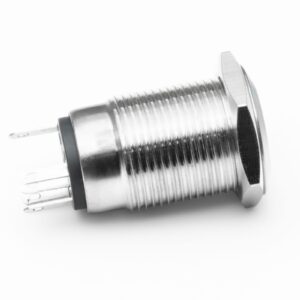
2009-001 - ORACLE Pre-Wired Power Symbol On/Off Flush Mount LED Switch
$21.21- ✓ Warranty
- ✓ 30-Day Returns
- ✓ Secure Checkout



Free Delivery
Free Shipping over $299

secure payment
Credit-Debit & Installments

Easy returns
30 days FREE returns

Online Support
Expert Support & HelpLine



Reviews
There are no reviews yet