










































Base Plate
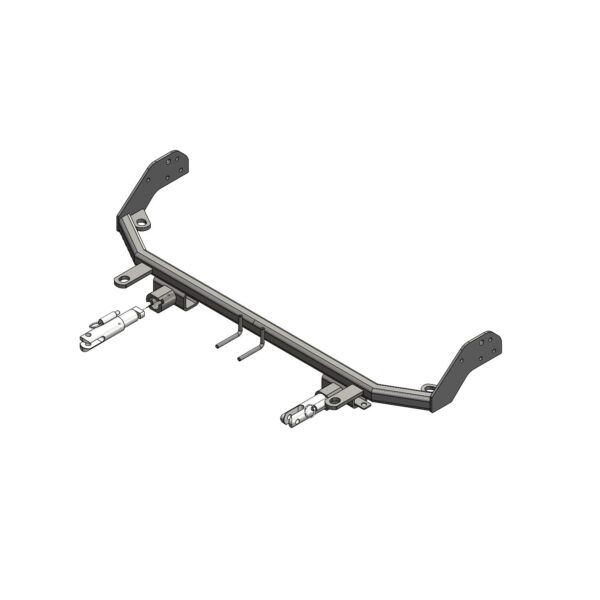
Securely connect your vehicle with a high-quality base plate for towing. Designed for durability and easy installation, ensuring a reliable connection for your towing needs.
What is a Tow Bar Base Plate?
Purpose and Functionality
A tow bar base plate is a crucial component in flat towing, which is a method of towing a vehicle behind another vehicle, such as an RV. The primary function of a base plate is to provide a secure and reliable connection point between the towed vehicle and the tow bar. This connection allows the towing vehicle to control the towed vehicle’s direction and movement. The base plate is designed to bolt directly onto the frame of the towed vehicle, offering a robust and stable anchor for the tow bar. This setup is especially popular among RV owners and those who frequently need to transport their vehicles.
- Connecting towed vehicles to tow bars
- Secure and Reliable connection
- Designed to provide a secure and stable connection for towing.
Key Features and Benefits
Durability and Construction
Base plates are typically constructed from high-strength steel or stainless steel to withstand the stresses of towing. The materials are chosen for their durability and resistance to wear and tear, ensuring a long lifespan. A powder-coated finish is often applied to the steel to protect against rust and corrosion, which is particularly important given that base plates are exposed to the elements. Construction methods vary, with some base plates being welded for maximum strength and others employing a bolt-on design for easier installation. The load capacity of a base plate, which is a critical specification, is determined by its design and construction, with capacities varying depending on the vehicle and the intended use. Always check the load capacity to make sure the base plate can handle the weight of your towed vehicle.
- Steel or stainless-steel construction
- Powder-coated finish for rust protection
- Welded or bolt-on design
Ease of Installation
Base plates are designed for relatively straightforward installation, often involving bolting directly onto the vehicle’s frame without the need for extensive modifications. This ease of installation is a significant advantage, making it a potentially DIY project for those with some mechanical aptitude. However, installation can be time-consuming, and it is essential to follow the manufacturer’s instructions carefully to ensure a secure and proper fit. If you’re not comfortable working on your vehicle, or if the installation process seems complex, professional installation is recommended. Professional installation ensures the base plate is correctly mounted and that all safety standards are met.
- Vehicle specific design
- Detailed instructions
- Bolt-on design (vs. welding)
Vehicle-Specific Design
Base plates are designed to be vehicle-specific, meaning they are engineered to fit the frame of particular makes, models, and years of vehicles. This custom fit is crucial for both safety and performance, ensuring that the base plate integrates seamlessly with the vehicle’s structure. The vehicle-specific design also optimizes the base plate’s positioning, which can affect how the towed vehicle handles during turns and other maneuvers. When selecting a base plate, it’s essential to verify that it is compatible with your specific vehicle. Compatibility information is usually available from the manufacturer and can be easily checked. Using a vehicle-specific base plate eliminates the need for modifications and reduces the risk of installation errors. The base plate bolts directly to the chassis, providing a secure and stable connection for towing.
- Custom fit to vehicles
- Compatibility with various vehicles
- Bolts directly to chassis
Choosing the Right Base Plate
Vehicle Compatibility
Selecting the correct base plate involves ensuring it is compatible with your specific vehicle. This means considering the make, model, and year of the vehicle you plan to tow. Reputable manufacturers provide detailed compatibility charts or online tools that allow you to input your vehicle’s information and find the correct base plate. Ensure the base plate is designed for your vehicle’s specific frame and that it meets all safety requirements. Always double-check the fit before purchasing to avoid any compatibility issues during installation.
| Vehicle Make | Model | Year |
|---|---|---|
| Example | Example | Example |
Weight Capacity
The weight capacity of a base plate is a critical factor, as it must be sufficient to handle the weight of the vehicle being towed. Exceeding the base plate’s weight capacity can compromise the towing setup’s safety and lead to component failure. Base plates are rated for different weight classes, and it’s important to choose one that matches or exceeds your towed vehicle’s gross vehicle weight (GVW). Check the specifications to determine the base plate’s weight capacity and compare it to the GVW of your vehicle. Ensure you also consider any additional weight, such as cargo or aftermarket accessories, that might affect the total weight being towed. Always choose a base plate with a weight capacity that provides a safety margin above your vehicle’s actual weight.
- Weight capacity considerations
- Weight capacity by class
- Ensure proper weight capacity
Brand and Quality Considerations
Choosing a reputable brand is essential to ensure you are investing in a quality base plate that meets industry standards. Look for manufacturers with a proven track record of producing durable, reliable towing components. Consider the materials used in the base plate’s construction, such as high-strength steel or stainless steel, and the manufacturing processes employed, such as powder coating for corrosion resistance. Check the warranty offered by the manufacturer; a comprehensive warranty often indicates the manufacturer’s confidence in the product’s quality. Research the brand’s reputation by reading customer reviews and seeking recommendations from experienced RVers or towing professionals. Choosing a reputable brand provides peace of mind and reduces the risk of premature failure or performance issues.
- Reputable brands
- Materials and manufacturing
- Warranty and customer support
Installation Guide and Tips
Step-by-Step Installation Instructions
The installation of a base plate typically involves several steps, each crucial for ensuring a secure and reliable connection. The first step is preparation, which includes gathering all necessary tools and components, reading the manufacturer’s instructions thoroughly, and ensuring the vehicle is parked on a level surface. Next is component assembly, in which the base plate components are assembled according to the instructions. This usually involves attaching brackets and other hardware to the base plate. Installation then involves attaching the assembled base plate to the vehicle’s frame, often using bolts. Finally, there is testing. After installation, it is essential to test the base plate to verify that it is correctly installed and functions as expected. This testing may include checking the alignment of the base plate, ensuring all bolts are properly tightened, and inspecting the connection points for any signs of looseness or instability.
- Step 1: Preparation
- Step 2: Component assembly
- Step 3: Installation
- Step 4: Testing
Professional Installation vs. DIY
Deciding whether to install a base plate yourself or hire a professional depends on your comfort level with vehicle repairs, your access to the necessary tools, and the complexity of the installation. DIY installation can save money on labor costs, but it requires a good understanding of vehicle mechanics and the ability to follow instructions precisely. If you are not comfortable working on your vehicle or if the installation process seems complicated, professional installation is recommended. Professional installers have the expertise and tools to ensure the base plate is correctly installed, meeting all safety standards. They can also identify and address any potential issues during the installation process. Professional installation provides peace of mind, knowing that your base plate has been installed correctly and safely. A professional installer might also be able to suggest which base plate will be better for your vehicle.
- Pros and cons of DIY installation
- Pros and cons of Professional installation
- Suggest a professional installer
Maintaining and Troubleshooting
Regular Maintenance
Regular maintenance is crucial for ensuring the longevity and reliability of your base plate and towing setup. This includes performing regular inspections to check for any signs of wear, damage, or corrosion. Look for any loose bolts, cracks, or other issues that could compromise the base plate’s integrity. Keep the base plate clean by washing it regularly with soap and water to remove dirt, grime, and road salt. Apply a protective coating, such as wax, to the base plate to prevent rust and corrosion. Proper storage can protect the base plate and other towing components when they are not in use. If the base plate is removed, store it in a dry, sheltered location. Regular maintenance will help to extend the life of your base plate and towing setup and ensure it remains in good working order.
- Regular inspections
- Cleaning the base plate
- Storage
Common Problems and Solutions
Even with proper maintenance, you might encounter issues with your base plate. One common problem is difficulty attaching the tow bar to the base plate. Ensure the tow bar and base plate are properly aligned and that all locking mechanisms are engaged. Another common issue is unusual noises, such as clunking or rattling, which can indicate loose bolts or worn components. Inspect the base plate and towing components for any signs of looseness or damage. Component failure, such as a broken bracket or damaged connection point, can also occur. If you identify any problems, inspect all components for wear, damage, or corrosion. Replace any damaged components as necessary. Consult the manufacturer’s instructions for specific troubleshooting tips and solutions.
- Attachment issues
- Unusual noises
- Component failure
| Weight | 19.05 kg |
|---|---|
| Dimensions | 42 × 17 × 8 cm |
Q & A
You Might Also Like

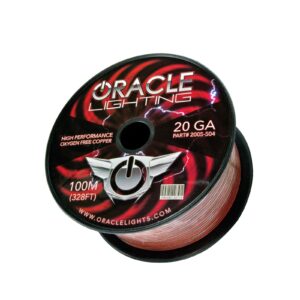
2005-504 - 20AWG 2 Conductor LED Installation Wire 100M (328ft) Spool
$67.96- ✓ Warranty
- ✓ 30-Day Returns
- ✓ Secure Checkout
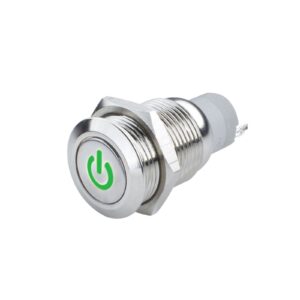
2009-004 - ORACLE Pre-Wired Power Symbol On/Off Flush Mount LED Switch
$21.21- ✓ Warranty
- ✓ 30-Day Returns
- ✓ Secure Checkout
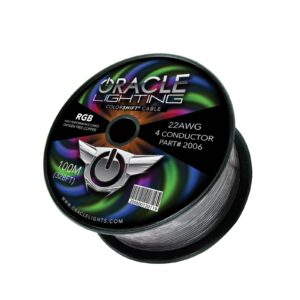
2006-504 - 22AWG 4 Conductor RGB Installation Wire 100M (328ft) Spool
$127.46- ✓ Warranty
- ✓ 30-Day Returns
- ✓ Secure Checkout
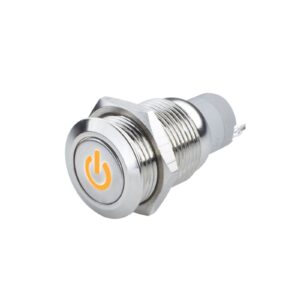
2009-005 - ORACLE Pre-Wired Power Symbol On/Off Flush Mount LED Switch
$21.21- ✓ Warranty
- ✓ 30-Day Returns
- ✓ Secure Checkout



Free Delivery
Free Shipping over $299

secure payment
Credit-Debit & Installments

Easy returns
30 days FREE returns

Online Support
Expert Support & HelpLine



Reviews
There are no reviews yet