












































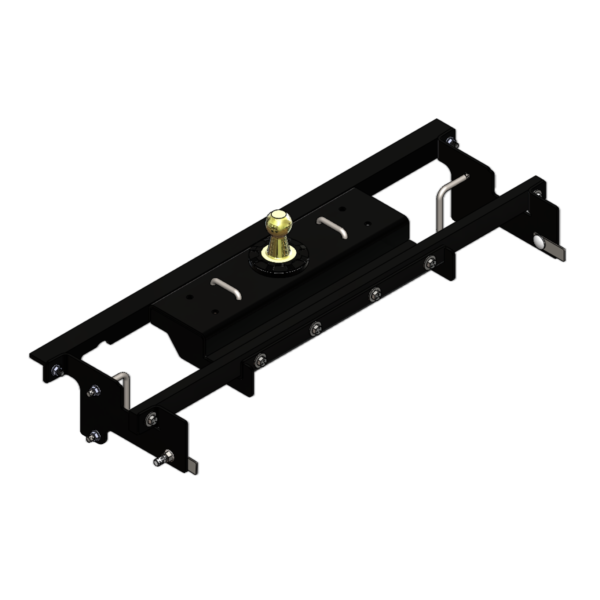
Gooseneck Trailer Hitch
Get expert advice on choosing the right gooseneck hitch. This guide covers types, features, installation, and safety for secure and efficient towing.
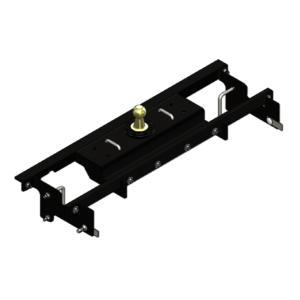
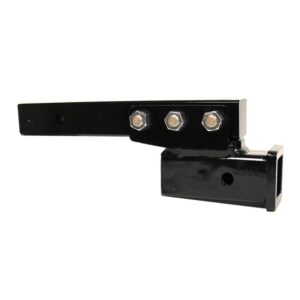
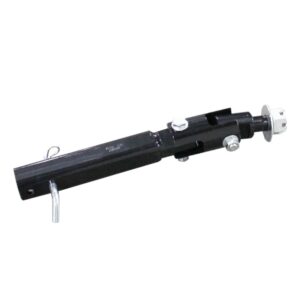
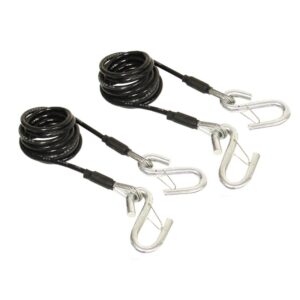
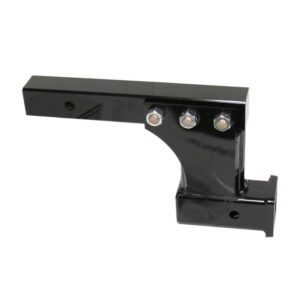
Choosing the Right Gooseneck Hitch for Your Needs
Choosing the correct gooseneck hitch is critical for safe and efficient towing. This guide offers comprehensive advice to help you select the right hitch for your needs, ensuring a secure connection between your truck and trailer.
Assess Your Towing Needs
Before selecting a gooseneck hitch, carefully assess your towing requirements. Consider the gross trailer weight (GTW) – the total weight of the loaded trailer. Also, take into account the gross vehicle weight rating (GVWR) of your truck, as specified by the manufacturer. Your truck’s make, model, and bed size also influence your hitch selection. Determine the types of trailers you will be towing, such as livestock trailers, flatbeds, or utility trailers, because different trailers may require different hitch types or features. Calculate the required towing capacity by considering the combined weight of the trailer and its cargo; the hitch must meet or exceed this capacity. Overestimating the towing capacity is always preferable to underestimating, as it provides a safety margin and ensures the hitch can handle the load under various conditions.
Types of Gooseneck Hitches
Gooseneck hitches are available in several types, each with distinct features suited for different towing needs. Understanding the differences between these types is essential for selecting the right one. Here’s a comparison of the main types:
- In-bed Gooseneck Hitches: These are the most common type and are installed directly in the truck bed. They provide a clean, unobstructed towing experience when not in use. In-bed hitches typically offer high towing capacities, making them suitable for heavy-duty towing. They are often adjustable to accommodate different trailer heights. However, installation can be more complex and may require drilling or modifications to the truck bed.
- Hidden/Fold-away Gooseneck Hitches: These hitches are designed to be concealed when not in use. The ball can be flipped over or removed, leaving a flat bed surface. This design is ideal for those who want to maintain the full functionality of their truck bed when not towing. Hidden hitches offer a balance of towing capacity and convenience but may have slightly lower weight ratings than in-bed models. Installation can vary depending on the specific design but often involves less intrusive modifications than in-bed hitches.
- Under-bed Gooseneck Hitches: This type of hitch is mounted beneath the truck bed, leaving the bed surface completely clear. The ball is accessed through a flip-up or removable access point in the bed. Under-bed hitches offer a clean, integrated look and are favored for their ease of use. They typically have high towing capacities, comparable to in-bed hitches. Installation usually requires more extensive modifications, including cutting and welding, making it a more permanent solution.
Key Features and Benefits of Gooseneck Hitches
Gooseneck hitches offer several advantages over other types of hitches, making them a preferred choice for heavy-duty towing applications.
Superior Towing Capacity and Stability
Gooseneck hitches excel in weight distribution, which is a key factor in towing stability. The connection point of a gooseneck hitch is located directly above the rear axle of the tow vehicle. This placement allows for a more centered and balanced distribution of the trailer’s weight. The direct connection also reduces the amount of sway and the forces exerted on the tow vehicle, providing a smoother and more stable towing experience, particularly at higher speeds or in challenging conditions. This design minimizes the risk of trailer sway and enhances overall control, contributing to a safer towing experience. According to industry standards, gooseneck hitches often have higher weight ratings than other hitch types, making them ideal for towing heavy loads such as livestock trailers, large equipment, or multiple vehicles.
Durability and Build Quality
Gooseneck hitches are built to withstand the rigors of heavy-duty towing, with robust construction and durable materials ensuring long-term reliability. The main components, including the hitch ball, the mounting brackets, and the frame, are typically made from high-strength steel. This material is chosen for its ability to withstand significant tensile forces and resist wear and tear. The steel components are often coated with protective finishes, such as powder coating or zinc plating, to guard against corrosion and rust, extending the hitch’s lifespan. The construction methods involve precise welding and rigorous quality control to ensure the hitch can handle the rated towing capacity safely. This level of durability is crucial for the safety of the towing operation, allowing the hitch to perform consistently under demanding conditions.
Ease of Use and Installation
Gooseneck hitches are designed for ease of use, with features that streamline the towing process and make it more convenient for users. Many models feature user-friendly designs, such as quick-release mechanisms, making it easy to attach and detach trailers. The ball typically requires a simple locking mechanism, which provides a secure connection. The installation process, while varying depending on the hitch type, has become more accessible over time. Manufacturers provide detailed instructions, and many kits include all the necessary hardware, simplifying the process. The overall design aims to make the hitch accessible to both experienced users and those new to towing. Modern gooseneck hitches incorporate features such as adjustable height settings, which allow the user to fine-tune the hitch to match the trailer’s height, ensuring a level towing posture.
Installation and Compatibility
Proper installation and compatibility are crucial for the safe and effective use of a gooseneck hitch. Following the correct installation steps and ensuring compatibility with your truck and trailer will help ensure a secure and reliable connection.
Installation Process
The installation process for a gooseneck hitch can vary depending on the specific type of hitch and the truck model. However, some general steps apply to most installations. Begin by carefully reviewing the manufacturer’s instructions, as these will provide detailed guidance tailored to your hitch and vehicle. This often involves preparing the truck bed by removing the existing bed liner or any obstructions. Next, mount the hitch components to the truck frame, using the provided hardware and following the specified torque specifications. Once the mounting is complete, position the gooseneck ball in the bed, and secure it. Finally, make the necessary wiring connections for the trailer lights and brakes. If you are unsure about any part of the installation process, consult a professional to ensure proper installation.
Compatibility Considerations
Ensuring compatibility between your gooseneck hitch and your truck is essential for a safe and effective towing setup. First, verify that the hitch is designed for your truck’s make and model. Check the truck’s bed size and configuration to ensure the hitch fits properly. Verify that the hitch’s weight capacity meets or exceeds the gross trailer weight you intend to tow, considering both the trailer and its cargo. The hitch must be compatible with the truck’s mounting points and frame. In addition, check the truck’s suspension to make sure it can handle the added weight. Finally, ensure that the wiring connections match your trailer’s requirements. Consult your truck and trailer manuals for specific recommendations.
Maintenance and Safety
Regular maintenance and adherence to safety guidelines are critical for ensuring the longevity and safe operation of your gooseneck hitch.
Regular Inspection Checklist
Regular inspections are essential for maintaining the safety and reliability of your gooseneck hitch. Start by inspecting the hitch ball for signs of wear, such as scratches or deformation, and ensure it is securely attached to the hitch. Check the locking mechanism for proper function and lubrication. Examine the mounting hardware for any signs of looseness, corrosion, or damage. Look for cracks in the welds or any other structural components of the hitch. Inspect the safety chains for wear and tear and verify that they are properly connected to the trailer. Lubricate moving parts, such as the hitch ball and locking mechanisms, with a suitable grease to reduce friction and prevent corrosion. Repeat this inspection frequently, and after each long towing trip. Addressing any issues promptly can prevent accidents and extend the life of your hitch.
Safety Guidelines for Towing
Following safety guidelines is critical for a safe towing experience. Before each trip, ensure that the trailer is properly connected to the gooseneck hitch. Verify that the safety chains are correctly attached, forming an “X” pattern beneath the trailer tongue to catch the tongue if it becomes unhitched. Check the trailer’s lights and brakes to make sure they are functioning correctly. Distribute the trailer load evenly to maintain stability. Maintain a safe following distance to allow for adequate braking time. Be aware of the trailer’s dimensions when maneuvering, and be cautious of obstacles or tight spaces. Reduce your speed, especially in adverse weather conditions or on winding roads. Take breaks during long trips to avoid fatigue. If you experience any issues while towing, such as trailer sway or unusual noises, stop immediately and address the problem before continuing. Always consult your truck and trailer manuals for specific towing recommendations.
| Weight | 49.9 kg |
|---|---|
| Dimensions | 4 × 4 × 49 cm |
Q & A
You Might Also Like



Free Delivery
Free Shipping over $299

secure payment
Credit-Debit & Installments

Easy returns
30 days FREE returns

Online Support
Expert Support & HelpLine


Reviews
There are no reviews yet