






























CONNECT MAGAZINE • NOVEMBER 2025 ONLINE EDITION
Canadian winters are cold, snowy, and long. If your RV or trailer is not well insulated, you can lose heat fast and risk damage to pipes, tanks, and other parts. With a few smart upgrades, you can stay warmer and protect your vehicle all season.
This guide shares simple ways to insulate your RV or trailer for a Canadian winter. You will see ideas for windows, doors, floors, plumbing, and when it makes sense to call a professional for spray foam insulation. For winter gear and accessories, visit MY-IVVI eParts & Gear. For guided RV trips, MY-IVVI RV Rentals is available only for tours organized through MY-IVVI Travel and our Driver2Go service.
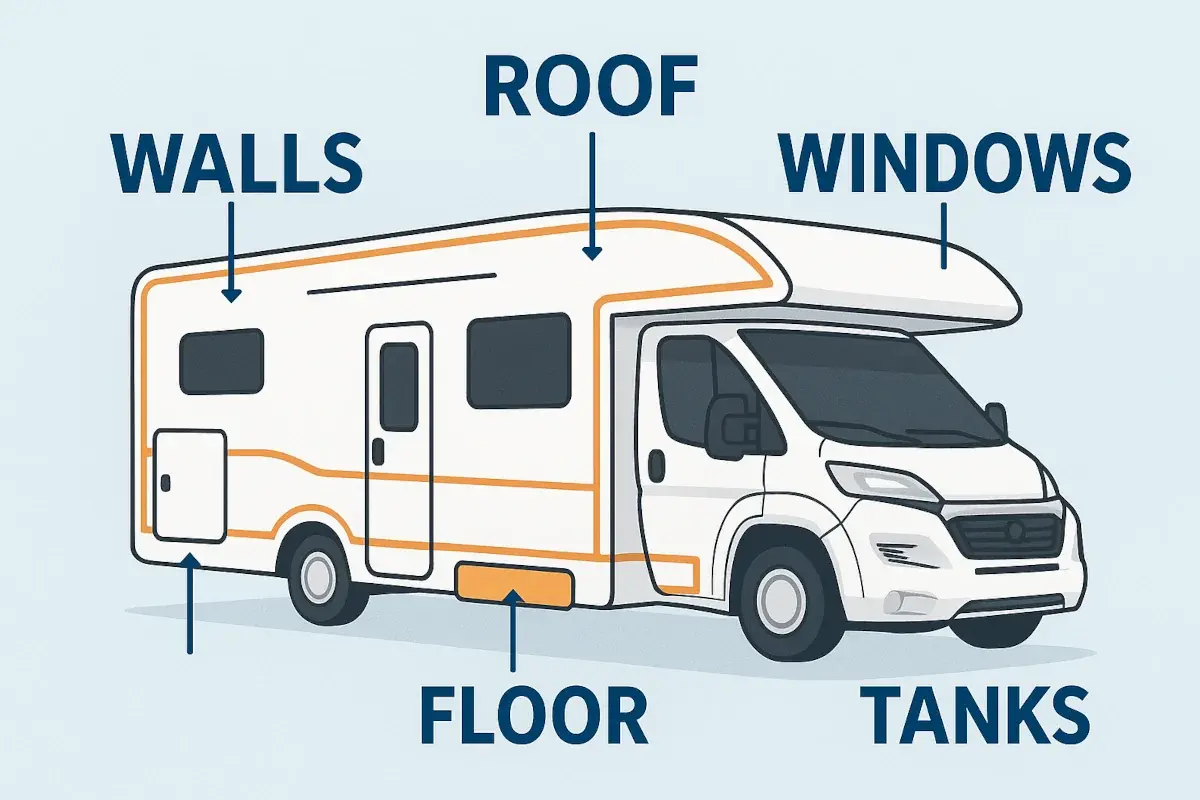
1. Start by Sealing Drafts
Cold air often sneaks in around doors, windows, and slides. Sealing these small gaps is the first step in any winter insulation plan.
- Add weather-stripping tape around entry doors
- Use foam tape along window frames and slide-out edges
- Check for gaps in corners and around latches
- Use removable caulking for seasonal sealing where needed
Find basic winter sealing supplies in Outdoor & Recreation.
2. Insulate Windows, Vents & Roof Openings
Glass and thin plastic surfaces lose heat quickly. Adding insulation to windows and roof areas can make a big difference in comfort.
- Cut reflective foil panels to fit your windows
- Use foam board behind curtains or blinds at night
- Install insulated vent covers over roof vents and fans
- Add draft stoppers or thick curtains over the main door
Browse insulation-friendly covers and outdoor gear in our Outdoor & Recreation section.
3. Protect the Floor, Skirting & Trailer Underside
Cold floors make an RV feel chilly even when the air is warm. Skirting and floor insulation help keep heat in and cold wind out.
- Use foam mats or thick rugs on the floor inside
- Add insulated skirting around the bottom of your RV or trailer
- Seal gaps where hoses and cables pass under the unit
- Check the underside of your trailer for open areas that can be closed or insulated
See trailer-related gear and hardware in the Trailer category.
4. Protect Pipes, Tanks & Water Systems
Frozen pipes and tanks can cause leaks and costly repairs. Extra insulation and a few winter tools help keep water systems safe.
- Wrap exposed pipes with pipe insulation sleeves
- Use a heated drinking-water hose in very cold weather
- Add foam or insulation around the fresh and grey water tanks if they are exposed
- Use RV-safe antifreeze when winterizing if you will not use the water system
Look for cold-weather plumbing and protection gear under Outdoor & Recreation.
5. Pair Good Insulation with Safe Heating
Insulation works best when paired with a safe, reliable heat source. Extra blankets help, but a good heating plan keeps the whole space comfortable.
- Use your built-in RV furnace as the main heat source
- Add a safe portable electric heater if you have shore power
- Close doors and curtains to heat only the areas you use
- Use a carbon monoxide detector and a smoke detector at all times
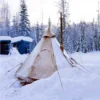
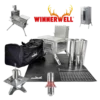
For campers using hot tents or wood stoves outside the RV, explore the Winnerwell Stoves collection for four-season setups.
6. Insulating Boats, Garages, Cabins & Small Buildings
Many RV owners also have boats, garages, small cabins, or cottages that need winter protection. The same basic rules apply: seal drafts, add insulation, and protect water lines.
- Use foam and sealant around doors and windows in small buildings
- Add insulation to garage or shop walls and ceilings
- Protect boat cabins and storage lockers from moisture and cold
- Store marine safety gear in dry, insulated spaces
For marine-related items, see the Marine category at MY-IVVI eParts & Gear.
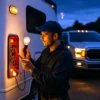
See How We Insulate RVs (Video)
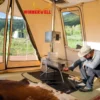
Here’s a quick example of how our team at Spray Foam GL insulates an RV motorhome.
7. When to Choose Professional Spray Foam Insulation
If you use your RV, trailer, boat, garage, cabin, or cottage often in winter, professional spray foam insulation can be a strong long-term solution.
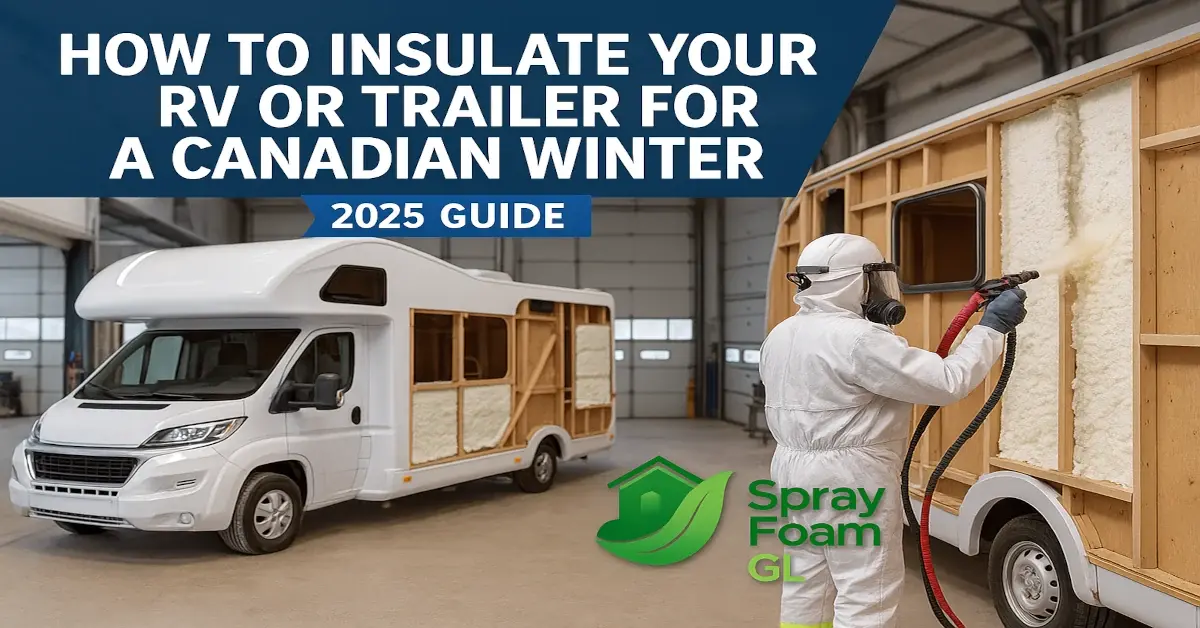
Spray foam helps:
- Reduce drafts and heat loss
- Control moisture and condensation
- Strengthen walls, floors, and roofs
- Make spaces easier and cheaper to heat
For full spray foam or batt insulation services for RVs, trailers, boats, garages, small cabins, cottages, shops, or other structures, visit our family company:
Spray Foam GL – Ontario, Canada
8. Build Your Winter Insulation Checklist
A simple checklist helps you stay organized and avoid missing important steps before the first deep freeze.
- Doors and windows sealed against drafts
- Reflective or foam insulation added to windows and vents
- Floors, skirting, and underside checked and insulated
- Pipes, tanks, and water lines are protected from freezing
- The heating system is tested, and the detectors are working
For more travel planning ideas and checklists, visit MY-IVVI Travel.
Conclusion
Insulating your RV or trailer for a Canadian winter helps you stay warm, protect your vehicle, and enjoy the season with less stress. Start with simple DIY steps, then consider spray foam or other professional options if you use your RV, boat, or small buildings all winter long, year-round.
Explore winter-friendly gear at MY-IVVI eParts & Gear, and learn more about professional insulation services at Spray Foam GL.
This article is part of the Connect Magazine – November 2025 Online Edition.
Explore more stories on the Connect Magazine Hub.