













































Base Plate
A vehicle base plate is a high-quality solution for flat towing. Designed for durability and easy installation, it ensures a secure connection for safe and reliable towing.
What is a Base Plate for Towing?
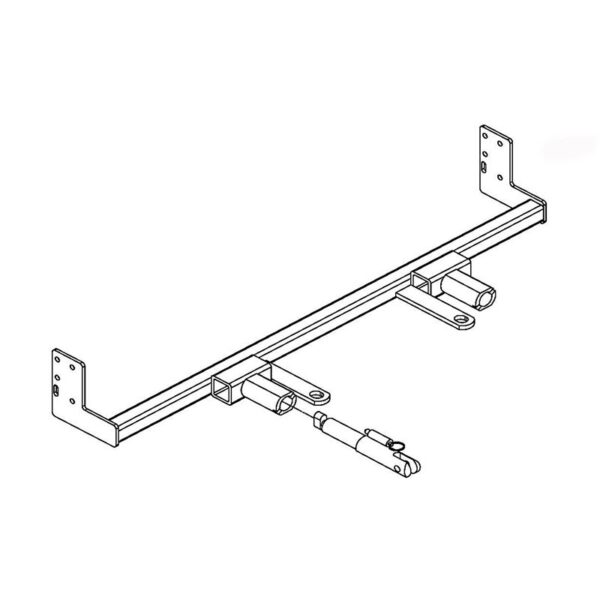
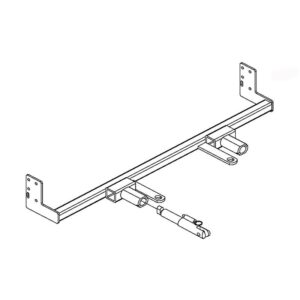
The base plate is a crucial component in a flat towing system, providing a secure connection point between the towed vehicle and the tow bar. It is installed on the vehicle’s frame, allowing it to be safely and effectively towed behind another vehicle. This method of towing keeps all four wheels of the towed vehicle on the ground.
Overview of a Base Plate
A base plate is a metal frame that bolts directly onto the chassis of a vehicle, providing a solid and reliable connection point for a tow bar. The tow bar then attaches to the base plate on one end and to the towing vehicle on the other. This setup allows the towed vehicle to follow the towing vehicle smoothly and safely. The base plate is essential for flat towing, which is a popular method for recreational vehicles (RVs) and other towing applications.
Base Plate vs. Other Towing Methods
Base plate towing is a specific type of flat towing. Other methods include using a trailer or a tow dolly. Base plate towing is often preferred because it allows all four wheels of the towed vehicle to remain on the ground, which is beneficial for the vehicle’s mechanical components. This also eliminates the need to load or unload the vehicle onto a trailer or dolly. While other methods may be suitable for some situations, flat towing with a base plate is a popular choice for its convenience and ease of use.
Key Features and Benefits of a Base Plate
Base plates are designed to offer durability, ease of installation, and enhanced safety. They are engineered to withstand the stresses of towing, offering a reliable and secure connection between the towed vehicle and the tow bar.
Durability and Construction
Base plates are typically constructed from high-strength steel, ensuring they can endure the rigors of regular towing. These materials are chosen for their robustness and ability to withstand significant forces. Many base plates feature a powder-coated finish, which provides an added layer of protection against corrosion, rust, and environmental damage. This coating extends the lifespan of the base plate and helps maintain its appearance. The expected lifespan of a base plate is dependent on the quality of materials and how well it is maintained. High-quality materials ensure long-term reliability and performance, even under harsh conditions. Regular inspection and maintenance are recommended to maximize the lifespan and ensure safe towing.
- The expected lifespan of the base plate can vary, but with proper care, it can last for many years.
- High-quality materials are critical for withstanding the stresses of towing.
Easy Installation
Base plates are designed to be installed with relative ease, although the process typically requires some mechanical skill or professional assistance. They are often custom-fit to specific vehicle models, which simplifies the installation process. Some base plates come with detailed instructions and all the necessary hardware, while others may require specific tools. Features like pre-drilled holes and straightforward mounting systems further facilitate the installation. It is important to consult the manufacturer’s instructions to ensure a correct and secure fit. Some vehicle modifications may be required, depending on the model. If you are not comfortable with the installation process, it is recommended that you seek professional installation services.
- Custom fit baseplates typically bolt directly onto the vehicle’s frame.
- Tools may include a wrench set and possibly a drill.
Safety and Security
Base plates are designed with safety as a top priority, ensuring a secure and reliable connection between the towed vehicle and the tow bar. They are engineered to withstand significant forces and reduce the risk of detachment during towing. Many base plates include safety cables, which act as a secondary safety measure, preventing the towed vehicle from separating from the tow vehicle in the event of a primary connection failure. Following the manufacturer’s instructions is crucial for ensuring the base plate is installed correctly and functions as intended. This includes proper bolt tightening and regular inspections of all components. Regular inspection of the base plate and connections before each tow helps ensure optimal safety. It is essential to adhere to all safety guidelines and recommendations provided by the manufacturer and industry standards.
- Safety cables offer an added layer of security.
- Always follow the manufacturer’s instructions for safe operation.
Choosing the Right Base Plate for Your Vehicle
Selecting the right base plate for your vehicle is essential for ensuring a safe and effective towing experience. The primary consideration is vehicle compatibility. Beyond that, one should also think about the installation process, and whether it’s best to have a professional do it.
Vehicle Compatibility
It’s crucial to choose a base plate specifically designed for your vehicle’s make, model, and year. Base plates are not universal; they are engineered to fit the specific chassis and frame of a vehicle. This ensures a secure and proper fit, which is critical for safety and performance. Vehicle look-up tools are available from various manufacturers and retailers to help you identify the correct base plate for your vehicle. These tools typically ask for your vehicle’s year, make, and model and then provide a list of compatible base plates. Matching the base plate to the vehicle’s chassis is vital for structural integrity and safe towing. Be aware that some vehicles may require specific modifications or may not be compatible with certain base plate designs.
- The base plate must match the vehicle’s chassis exactly.
- Some vehicles may need special modifications.
Installation Considerations
The installation process typically involves bolting the base plate to the vehicle’s frame, which may require some mechanical skill. While many base plates are designed for straightforward installation, it’s always recommended to have the base plate professionally installed if you are not experienced with automotive work. Professional installation ensures the base plate is correctly mounted, and all connections are secure, reducing the risk of failure during towing. Professional installers have the necessary tools, expertise, and knowledge of vehicle-specific requirements. They can also identify potential issues or modifications needed for a proper fit. If you choose to install the base plate yourself, it’s essential to carefully follow the manufacturer’s instructions and use the correct tools. Consult with a professional if you have any doubts or if the installation seems too complex.
- Tools required may include a wrench set and possibly a drill.
- Professional installation ensures correct and safe mounting.
Important Safety Information and Maintenance
To ensure the longevity of your base plate and the safety of your towing setup, it’s essential to follow all safety guidelines and perform regular maintenance. This helps to prevent accidents and ensures your base plate functions correctly. Regular checks and maintenance are critical for safe operation and long-term durability.
Safety Guidelines
Before each tow, always inspect the base plate and all related towing components for any signs of wear, damage, or loose connections. Ensure that the tow bar is properly connected to both the base plate and the towing vehicle and that safety cables are correctly attached. Proper weight distribution is critical for safe towing. Make sure that the weight of the towed vehicle does not exceed the towing capacity of the towing vehicle and the base plate. Also, be mindful of any load limits recommended by the vehicle and base plate manufacturers. Always avoid exceeding the towing capacity of your vehicle and the base plate. Overloading can cause damage to the components and may lead to a dangerous towing situation.
- Inspection of the Base Plate and Towing Components
- Weight Distribution and Load Limits
- Regular Checks and Maintenance
Maintenance Tips
Regular maintenance is essential to keep your base plate in good condition and ensure its safe operation. Regularly clean the base plate to remove any dirt, debris, or road salt that could cause corrosion. Apply a protective coating or wax to prevent rust and maintain its appearance. Inspect the base plate regularly for signs of wear, such as cracks, loose bolts, or damage. If you identify any issues, address them immediately. Refer to your base plate’s manual for a detailed inspection and maintenance checklist. This checklist typically includes steps such as inspecting the mounting bolts for tightness, checking the condition of the safety cables, and ensuring all connections are secure. Following these maintenance tips will prolong the life of your base plate and ensure that it continues to function properly, providing you with a safe and reliable towing experience.
- Cleaning and Corrosion Prevention
- Inspection and Maintenance Checklist
| Weight | 19.96 kg |
|---|---|
| Dimensions | 46.75 × 15.5 × 7.75 cm |
Q & A
You Might Also Like

2005-504 - 20AWG 2 Conductor LED Installation Wire 100M (328ft) Spool
$67.96- ✓ Warranty
- ✓ 30-Day Returns
- ✓ Secure Checkout
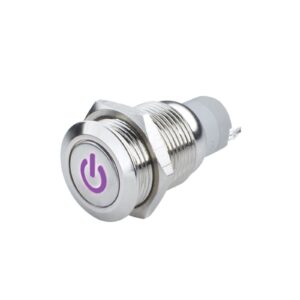
2009-007 - ORACLE Pre-Wired Power Symbol On/Off Flush Mount LED Switch
$21.21- ✓ Warranty
- ✓ 30-Day Returns
- ✓ Secure Checkout

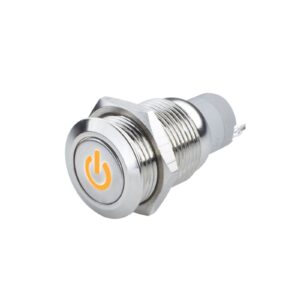
2009-005 - ORACLE Pre-Wired Power Symbol On/Off Flush Mount LED Switch
$21.21- ✓ Warranty
- ✓ 30-Day Returns
- ✓ Secure Checkout
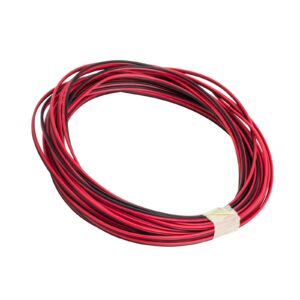
2005-001 - 20AWG 2 Conductor LED Installation Wire (Sold by the Foot)
$0.43- ✓ Warranty
- ✓ 30-Day Returns
- ✓ Secure Checkout



Free Delivery
Free Shipping over $299

secure payment
Credit-Debit & Installments

Easy returns
30 days FREE returns

Online Support
Expert Support & HelpLine



Reviews
There are no reviews yet