












































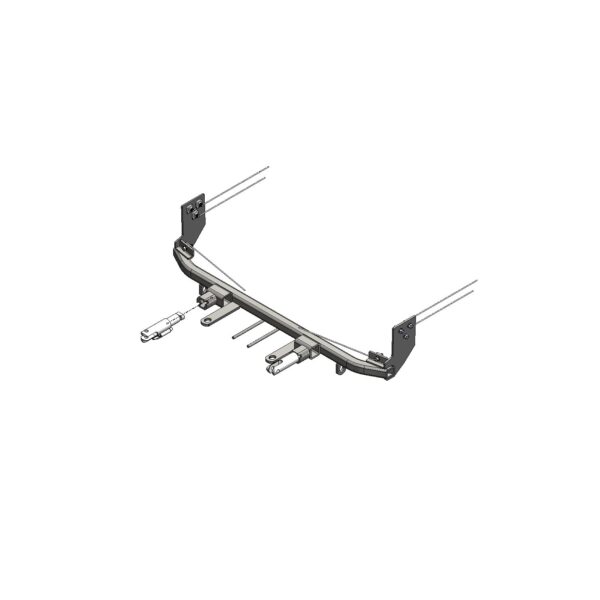
Base Plate
A base plate is essential for safe flat towing, securely connecting your vehicle to a tow bar. Explore the best brands & ensure a reliable towing setup.

What is a Base Plate?
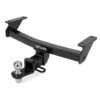
A base plate is a crucial component in flat towing systems, serving as the primary connection point between a towed vehicle and a tow bar. Designed to be securely attached to the frame of the towed vehicle, the base plate facilitates a robust and reliable link, ensuring the vehicle can be safely towed behind a motorhome or another towing vehicle. Its importance lies in its ability to withstand the stresses of towing, providing a secure and stable connection that is essential for preventing accidents and damage. The design and materials used in a base plate are engineered to meet stringent safety standards, guaranteeing the protection of both the towed and towing vehicles. Understanding the function of a base plate is fundamental to anyone involved in flat towing, highlighting its critical role in the overall safety and functionality of the towing setup.
The Core Function of a Base Plate
The core function of a base plate is to provide a solid and dependable connection between the towed vehicle and the tow bar. This connection is established through direct attachment to the vehicle’s frame, ensuring that the towing forces are distributed evenly and effectively. This direct connection is pivotal in maintaining control and stability during towing. The base plate’s design allows for a secure coupling that prevents the towed vehicle from swaying or moving erratically. Without a correctly installed and functioning base plate, the safety and control of the towed vehicle would be severely compromised, increasing the risk of accidents. The base plate’s design also enables the tow bar to articulate, accommodating the movements of the towing vehicle without placing undue stress on the vehicle’s frame or towing components. This pivotal role underscores the base plate’s essential contribution to safe and reliable flat towing.
Key Components and Design
A base plate is composed of several essential components designed for durability and ease of use. Typically constructed from high-strength steel, the base plate includes two main receiver brackets that attach to the vehicle’s frame, forming the primary connection points for the tow bar. These brackets are custom-designed for each vehicle model, ensuring a precise fit and optimal load distribution. The design often includes integrated safety chain attachment points and often incorporates removable crossbars that the tow bar connects to. These design features ensure that the base plate is not only functional but also contributes to the vehicle’s aesthetic. The base plate design is also engineered to minimize the impact on the vehicle’s ground clearance and maneuverability. This careful balance of strength, functionality, and aesthetics is crucial to the base plate’s effectiveness.
Choosing the Right Base Plate for Your Vehicle
Selecting the right base plate is a critical step in ensuring safe and effective flat towing. The process requires careful consideration of vehicle-specific factors to guarantee compatibility and optimal performance. Choosing the right base plate helps prevent damage to the towed vehicle, enhances towing stability, and complies with safety standards. Failure to select the right base plate can lead to compromised towing performance, safety risks, and potential legal issues.
Vehicle Compatibility and Fit
Vehicle compatibility is the cornerstone of selecting the right base plate. Each base plate is designed to fit specific vehicle makes and models. Factors to consider include the vehicle’s year, make, model, and trim level, as these elements influence the frame design and attachment points. The dimensions of the base plate, such as its length (43 inches), width (14.5 inches), and height (11 inches), must also be considered to ensure a proper fit. It’s important to verify that the selected base plate has the correct mounting hardware and is compatible with the vehicle’s existing features, such as bumper designs and undercarriage components. Incorrect fit can compromise the base plate’s ability to effectively distribute towing forces and maintain vehicle stability. To determine the correct base plate, consult the manufacturer’s specifications or use a vehicle-specific search tool, ensuring the base plate matches the exact vehicle configuration for a secure and reliable towing solution.
- When choosing a base plate, consider factors like the vehicle’s year, make, and model.
- Use the vehicle’s VIN to identify the correct base plate, or check with the manufacturer.
- Make sure the dimensions and mounting points are compatible with the vehicle.
Material and Construction
The material and construction quality of a base plate are fundamental to its durability and safety. Base plates are primarily constructed from high-strength steel, chosen for its ability to withstand the rigorous demands of towing. The steel undergoes specific treatments, such as powder coating or electro-coating, to resist corrosion and environmental wear. The construction quality involves precise welding and fabrication techniques, ensuring that all components are securely joined. High-quality base plates undergo rigorous testing to meet or exceed industry standards, such as those set by the Society of Automotive Engineers (SAE). This ensures that the base plate can handle the stresses and forces exerted during towing. The materials and construction methods used directly impact the base plate’s longevity, its ability to support the towed vehicle’s weight, and its resistance to damage from road hazards. Investing in a base plate made from high-quality materials and constructed with precision is crucial for ensuring a reliable and safe towing experience.
Installation and Maintenance
Proper installation and routine maintenance are essential for ensuring the base plate’s performance and longevity. Adhering to installation instructions and conducting regular inspections can prevent potential safety issues. Neglecting these aspects can lead to premature wear, reduced towing effectiveness, and increased safety risks.
Base Plate Installation Guide
The installation of a base plate is a process that involves several steps, typically requiring mechanical expertise and specialized tools. While specific instructions vary depending on the vehicle and base plate model, the general process involves attaching the brackets to the vehicle’s frame using provided hardware. This may involve drilling, bolting, and securing the base plate components to the vehicle’s frame. Incorrect installation can compromise the base plate’s ability to safely secure the towed vehicle, making professional installation highly recommended for safety. Following the manufacturer’s instructions precisely is vital, including torque specifications for bolts and the correct alignment of components. After installation, it’s important to ensure that all connections are secure and that there are no obstructions to the vehicle’s operation. Regular checks and maintenance are essential for keeping the base plate operating at its best.
- Attach the base plate brackets to the vehicle’s frame using the provided hardware.
- Verify the secure fit, and make sure no components interfere with vehicle operations.
- Always consult the manufacturer’s instructions.
- For safety, it is recommended to have a professional install the base plate.
Maintenance and Inspection
Regular maintenance and inspection are critical for preserving the integrity and safety of a base plate. Perform visual inspections of the base plate and mounting hardware before each towing session. Look for signs of wear and tear, such as rust, cracks, or loose bolts. Check that the mounting hardware is still securely tightened to the vehicle’s frame and ensure all components are in good working order. Clean the base plate regularly to remove dirt and debris, as this can help prevent corrosion and extend its lifespan. During the inspection, ensure that the safety chains are in good condition. Any damage or significant wear should be addressed immediately by replacing the affected parts or consulting a professional for further assessment. Adhering to a maintenance schedule and addressing any issues promptly will help ensure the base plate’s reliability, thus contributing to a safe towing experience.
Base Plate Brands and Features
Several reputable brands offer a variety of base plates, each distinguished by its unique features and technologies. Researching these brands can help you select the one that suits your specific towing needs. Choosing a product from a well-established brand ensures quality, reliability, and access to customer support.
Top Base Plate Brands
Popular brands like Blue Ox, Demco, Roadmaster, and CURT are well-regarded in the industry. Blue Ox is known for its innovative designs and user-friendly features. Demco offers a range of base plates with high-quality materials and robust construction. Roadmaster is recognized for its reliable and durable base plates, often featuring easy-to-install designs. CURT provides a wide selection of base plates, emphasizing both functionality and value. Each brand’s specific designs and features are tailored to meet different towing requirements. Consider the specific features, warranty options, and customer reviews to help guide your choice.
- Blue Ox: Known for its innovative designs and user-friendly features, Blue Ox base plates are made to work well and be easy to use.
- Demco: Known for using high-quality materials and strong construction, Demco base plates offer dependable towing solutions.
- Roadmaster: Roadmaster base plates are recognized for their dependable and long-lasting design, often featuring simple installation.
- CURT: CURT offers a wide selection of base plates, focused on function and affordability.
Features Comparison
| Feature | Blue Ox | Demco | Roadmaster |
|---|---|---|---|
| Material | High-strength steel | Heavy-duty steel | Durable steel |
| Installation | User-friendly designs | Vehicle-specific, straightforward | Easy-to-install designs |
| Warranty | Varies by product | Limited lifetime | Limited lifetime |
Safety Considerations for Towing
Prioritizing safety is paramount in flat towing, encompassing a range of considerations from pre-tow inspections to adherence to towing regulations. This approach ensures the protection of both the towed and towing vehicles, as well as other road users. A commitment to safety includes understanding and following best practices and being aware of all potential hazards.
Pre-Tow Checklist
Implementing a pre-tow checklist is a crucial step in ensuring a safe towing experience. Before each towing session, start by visually inspecting the base plate and mounting hardware for any signs of damage, such as cracks, rust, or loose bolts. Then, check the condition of the tow bar and ensure it is properly connected to the base plate, with the safety pins correctly secured. Verify that all lights and signals on both the towing and towed vehicles are functioning correctly, including brake lights, turn signals, and running lights. Inspect the towed vehicle’s brakes, and make sure they are operating properly. Lastly, take the time to review and understand state and local towing regulations, including any specific requirements for the weight of the towed vehicle and the type of towing equipment used. Following a checklist ensures that all critical safety aspects are addressed, which can help prevent accidents and promote a safe towing experience.
- Inspect the base plate and mounting hardware for damage.
- Check the tow bar connection.
- Confirm the operation of all lights and signals.
- Verify the functionality of the towed vehicle’s brakes.
- Review all local and state towing regulations.
Towing Regulations
Towing regulations vary widely by state and locality, and it’s important to familiarize yourself with the specific requirements for the areas in which you’ll be towing. Regulations often cover aspects such as maximum towing speeds, the use of safety chains, the types of lights required, and the necessity of a supplemental braking system on the towed vehicle. Some jurisdictions may also impose weight restrictions or require permits for towing vehicles over a certain weight. It’s essential to research and understand these local regulations to avoid legal issues and to ensure the safety of the towing setup. Failure to comply with these regulations can result in fines, vehicle impoundment, and safety risks. Staying informed and adhering to all applicable towing regulations is a crucial aspect of responsible and safe flat towing.
Additional Resources
For further information, consider consulting these resources.
| Weight | 15.88 kg |
|---|---|
| Dimensions | 43 × 14.5 × 11 cm |
Q & A
You Might Also Like



2009-001 - ORACLE Pre-Wired Power Symbol On/Off Flush Mount LED Switch
$21.21- ✓ Warranty
- ✓ 30-Day Returns
- ✓ Secure Checkout
General Elektrik Indoor Air Filter (IAF-003)
Original price was: $35.00.$30.00Current price is: $30.00.- ✓ Warranty
- ✓ 30-Day Returns
- ✓ Secure Checkout

2006-504 - 22AWG 4 Conductor RGB Installation Wire 100M (328ft) Spool
$127.46- ✓ Warranty
- ✓ 30-Day Returns
- ✓ Secure Checkout



Free Delivery
Free Shipping over $299

secure payment
Credit-Debit & Installments

Easy returns
30 days FREE returns

Online Support
Expert Support & HelpLine



Reviews
There are no reviews yet