




































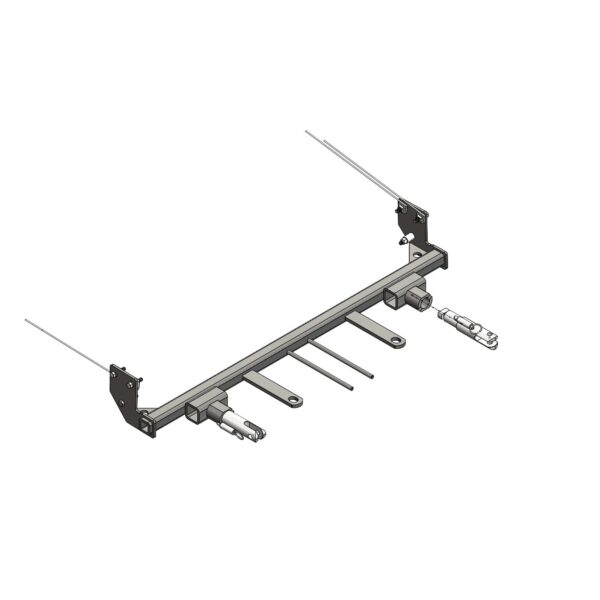
Base Plate
Securely tow your vehicle with a custom Base Plate for [Vehicle Make and Model]. Designed for durability and easy installation, ensuring a reliable connection for safe towing.
What is a Base Plate for Towing?
Definition and Purpose
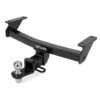
A base plate, also known as a baseplate or a mounting bracket, is a critical component in a flat towing setup. Its primary function is to provide a secure and robust connection point between your vehicle and a tow bar, allowing for safe and reliable towing. The base plate is specifically designed to attach to the frame of your vehicle, providing a solid foundation for towing. Without a properly installed base plate, flat towing is not possible, as there would be no secure way to connect the towed vehicle to the tow vehicle.
Key Components
A base plate typically consists of several key components. The main part of the base plate is the mounting brackets, which are custom-designed to fit the specific make and model of your vehicle. These brackets are bolted directly to the vehicle’s frame, ensuring a secure and stable connection. The connection points, also known as the receiver tubes or tabs, are integrated into the base plate and are where the tow bar attaches. These connection points are designed to accommodate the specific type of tow bar you are using. Additional hardware, such as bolts, nuts, and washers, is included to secure the base plate to the vehicle’s frame. Some base plates may also include safety chains and other features to enhance safety during towing. A diagram of a typical base plate assembly would include illustrations of the mounting brackets, connection points, and hardware, making it easy to understand how all the components work together.
Key Features and Benefits of a Base Plate
Durability and Construction
Base plates are engineered for longevity and are constructed from high-strength materials, typically steel, to withstand the stresses of towing. High-quality base plates often feature a powder-coated finish, which provides superior resistance to rust, corrosion, and the elements. This coating not only protects the base plate from damage but also enhances its appearance, ensuring it remains in good condition for years to come. The use of robust materials and protective coatings is essential for withstanding the forces exerted during towing, ensuring the base plate can handle various road conditions and terrains. The design of the base plate also plays a crucial role in its durability. The brackets are often reinforced to distribute the towing load evenly across the vehicle’s frame, preventing stress points and ensuring long-term reliability.
- Material types: High-strength steel, chosen for its durability and ability to withstand significant forces.
- Coating and finishing specifics: Powder-coated finish, applied to provide superior resistance to rust, corrosion, and the elements, extending the base plate’s lifespan.
Vehicle-Specific Design and Fit
A custom-fit base plate is designed precisely for your vehicle’s make, model, and year. This ensures a perfect fit, allowing the base plate to integrate seamlessly with your vehicle’s frame without any modifications. A custom fit also means that the base plate’s connection points are correctly aligned for your chosen tow bar. A properly fitted base plate provides the safest and most secure towing experience. Using a base plate that is not specifically designed for your vehicle can lead to safety issues. The base plate is made specifically for [Vehicle Make and Model].
- Custom-fit explained: Base plates are specifically designed for each vehicle make, model, and year to ensure a perfect fit.
- Safety and Security Benefits: Custom-fit base plates offer enhanced safety by securely attaching to the vehicle’s frame.
Ease of Installation
Most base plates are designed for a straightforward installation process, often featuring a bolt-on design that requires no welding or major modifications to your vehicle. The installation process typically involves attaching the mounting brackets to the vehicle’s frame using the provided hardware. The steps generally involve removing a few existing components, such as bumper fascia or skid plates, to access the frame. The provided hardware is then used to bolt the base plate to the frame securely. A clear and concise installation guide, provided with the base plate, helps guide you through each step. The tools required usually include basic hand tools like wrenches, sockets, and a torque wrench. Professional installation is also available if you prefer a trained technician handle the job. Ensure all bolts are tightened to the manufacturer’s specifications to ensure maximum safety.
- Bolting, how-to: Bolt-on design using the provided hardware and installation guide, attaching brackets to the vehicle frame.
- Tools required: Wrenches, sockets, torque wrench.
- Pro vs DIY: DIY installation is feasible with the right tools and instructions; professional installation is recommended for those uncomfortable with automotive work.
Enhanced Safety and Security
Base plates are designed with safety as a top priority. All parts are manufactured to the highest standards, using durable materials and precise engineering to ensure a secure connection. The base plate’s design incorporates several safety features. The mounting brackets are engineered to distribute towing forces evenly across the vehicle’s frame, preventing stress points and reducing the risk of damage. The connection points for the tow bar are constructed to withstand the rigorous demands of towing. Manufacturers often conduct extensive testing to ensure the base plate meets or exceeds industry safety standards. The use of high-quality materials, such as high-strength steel, contributes to the overall safety. Quality control measures throughout the manufacturing process ensure that each base plate meets or exceeds safety standards.
- Secure, all tested: Base plates are thoroughly tested to ensure they meet and exceed safety standards.
- Manufacture and quality: Focus on the manufacturing process, the materials used, and the design features that ensure safety during towing.
How to Choose the Right Base Plate
Vehicle Compatibility
Selecting the right base plate involves verifying its compatibility with your vehicle’s make, model, and year. Many manufacturers provide compatibility charts or online tools that allow you to enter your vehicle’s information and find the appropriate base plate. It is critical to ensure the base plate is specifically designed for your vehicle’s frame and other structural components. Using the correct base plate ensures a secure and reliable connection. Check the manufacturer’s specifications and recommendations to determine the perfect fit for your vehicle. A universal base plate is never a good choice, as a custom fit provides the most reliable and safe towing experience. Use the link to a compatibility tool.
Towing Capacity Considerations
The towing capacity of your vehicle must be considered when choosing a base plate. The base plate you select should meet or exceed your vehicle’s towing capacity. Exceeding the towing capacity can put excessive stress on the base plate and your vehicle’s frame. Check your vehicle’s owner’s manual and the base plate’s specifications to ensure they match. Base plates often come with a specified weight rating. Choosing a base plate with a higher capacity than what you need provides an extra margin of safety. Failure to comply with these towing capacity guidelines can lead to an unsafe towing experience. Ensure that the base plate’s capacity aligns with or surpasses your vehicle’s capabilities to ensure safe and compliant towing. Consider whether you need a Class III rating or a higher rating, depending on your towing needs.
Brand and Quality
When selecting a base plate, opt for a reputable brand that is known for producing high-quality, reliable products. Research different brands, comparing their construction materials, warranty, and customer reviews. Look for base plates that are manufactured from high-strength steel and feature durable finishes, such as powder coating, to withstand the rigors of towing. Read customer reviews to assess the brand’s reputation for quality and customer service. Choosing a trusted brand often comes with a guarantee. Ensure that the base plate meets industry safety standards. A well-known brand also usually has better customer support if you have questions. Look for the brand’s website to find more information.
- Reputable Brands: Blue Ox, Roadmaster, and Demco are a few examples of reputable base plate brands.
- How to spot quality: Look for high-strength steel construction, powder-coated finishes, and positive customer reviews.
Installation and Maintenance Guide
Installation Instructions
The installation process involves mounting the base plate to your vehicle’s frame, typically using a bolt-on design. Before you begin, gather all the necessary tools and parts. Then, consult the detailed installation guide that comes with your base plate. You may need to remove certain components, such as the front bumper or undercarriage panels, to access the frame. Then, align the base plate’s mounting brackets with the frame and attach them using the provided hardware. Ensure all bolts are tightened to the manufacturer’s specifications, using a torque wrench. Reinstall any removed components, and double-check all connections before towing. If you’re unsure, always seek professional assistance. You can view a detailed installation video online.
- Step-by-step guide with brief explanations: Following the manufacturer’s instructions, attach the mounting brackets to the frame using the provided bolts and hardware.
- Link to an installation video: Search for installation videos from the manufacturer or on sites like YouTube to get visual guidance.
Regular Maintenance
Regular maintenance is essential for keeping your base plate in good condition and ensuring its longevity. Inspect the base plate regularly for any signs of rust, corrosion, or damage. Check all bolts and connections to ensure they are tight. Lubricate any moving parts, such as the connection points, to prevent wear. The frequency of your maintenance checks depends on how often you tow and the environmental conditions. Inspect the base plate before each towing trip and after extended periods of storage. Following this maintenance schedule ensures that your base plate continues to function properly and safely.
- How to inspect the base plate: Check for rust, corrosion, loose bolts, or any signs of damage.
- Frequency of checks: Inspect the base plate before each towing trip and at least every few months.
Safety Tips for Towing
Pre-Tow Checklist
Before each towing trip, create a pre-tow checklist. This should include inspecting the base plate for any damage or loose connections. Check the tow bar’s condition, ensuring it is properly connected and locked. Verify that all vehicle lights, including brake lights and turn signals, are functioning correctly. Check the safety chains, ensuring they are properly connected and are not dragging on the ground. Finally, make sure the vehicle’s tires are properly inflated. Following a pre-tow checklist ensures that your towing setup is safe and ready for the road.
- Tow bar inspection: Ensure the tow bar is securely connected to both the base plate and the towed vehicle.
- Vehicle lights: Verify that the brake lights, turn signals, and running lights are all functioning correctly.
Safe Towing Practices
Safe towing practices are essential for ensuring the safety of yourself and others on the road. Adhere to all speed limits and adjust your speed to the road and weather conditions. Maintain a safe following distance to allow for ample stopping time. Be mindful of the combined weight of your vehicles and understand the weight distribution. Proper weight distribution is crucial for maintaining stability and preventing accidents. Make sure the trailer is properly loaded. Check your local regulations for any specific towing requirements, such as speed limits and required equipment. Ensure you’re familiar with the braking systems on your towed vehicle. Always prioritize safe towing practices to ensure a safe and enjoyable journey.
Frequently Asked Questions (FAQ)
How does a base plate connect to a vehicle?
A base plate connects to your vehicle by attaching to the vehicle’s frame using custom-designed mounting brackets and the provided hardware. These brackets are bolted directly to the frame, providing a strong and secure connection. The connection points, known as receiver tubes or tabs, are where the tow bar connects. This ensures a solid and reliable link between the towed and the towing vehicle.
Is professional installation required?
While many base plates are designed for DIY installation, professional installation is often recommended, particularly if you are not comfortable working on your vehicle’s frame. Professional installers have the experience and tools necessary to ensure a proper and secure installation, minimizing the risk of mistakes. Even if you choose to install it yourself, consulting a professional or seeking guidance from a qualified technician can be beneficial. The complexity of the installation can vary depending on the vehicle. In case of any uncertainty, seek professional help to guarantee your safety.
What are the common problems with base plates?
Some common issues with base plates include rust and corrosion, which can weaken the metal over time. Loose bolts can also be a problem, as they can compromise the structural integrity. Damage from road debris or accidents can also occur. To prevent these problems, inspect your base plate regularly for signs of rust, corrosion, or damage. Check the bolts and connections to ensure they are tight, and re-torque them if necessary. Address any issues promptly to ensure your base plate continues to perform safely and reliably.
Related Products and Services
This section should contain links to products or categories related to the base plate.
- Tow Bars – Connects the base plate to the vehicle being towed
- Wiring Harnesses – Connects the lights
Category Reference
Explore our full selection of towing products, including base plates, tow bars, and accessories. View Towing Products
| Weight | 16.33 kg |
|---|---|
| Dimensions | 43 × 16 × 7 cm |
Q & A
You Might Also Like
2009-001 - ORACLE Pre-Wired Power Symbol On/Off Flush Mount LED Switch
$21.21- ✓ Warranty
- ✓ 30-Day Returns
- ✓ Secure Checkout
2009-005 - ORACLE Pre-Wired Power Symbol On/Off Flush Mount LED Switch
$21.21- ✓ Warranty
- ✓ 30-Day Returns
- ✓ Secure Checkout
2009-007 - ORACLE Pre-Wired Power Symbol On/Off Flush Mount LED Switch
$21.21- ✓ Warranty
- ✓ 30-Day Returns
- ✓ Secure Checkout
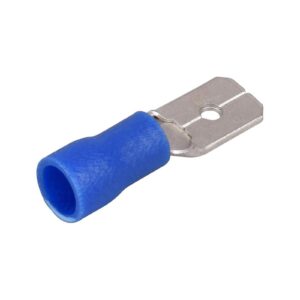
2009-504 - Male Spade Crimp Connector 18-22AWG (x100)
$8.46- ✓ Warranty
- ✓ 30-Day Returns
- ✓ Secure Checkout
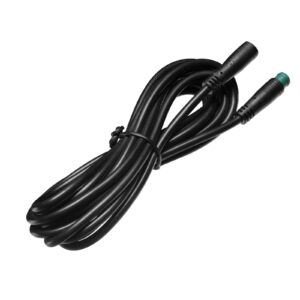
ORACLE Lighting 10ft ColorSHIFT RGB+W Rock Light Extension Cable
$8.46- ✓ Warranty
- ✓ 30-Day Returns
- ✓ Secure Checkout


Free Delivery
Free Shipping over $299

secure payment
Credit-Debit & Installments

Easy returns
30 days FREE returns

Online Support
Expert Support & HelpLine



Reviews
There are no reviews yet