









































Base Plate
Find the perfect base plate for safe towing. Our guide features top picks and essential info on types, installation, and choosing the right one for your vehicle.
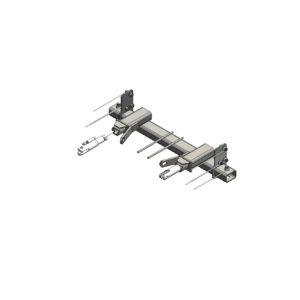

What is a Towing Base Plate and Why Do You Need One?
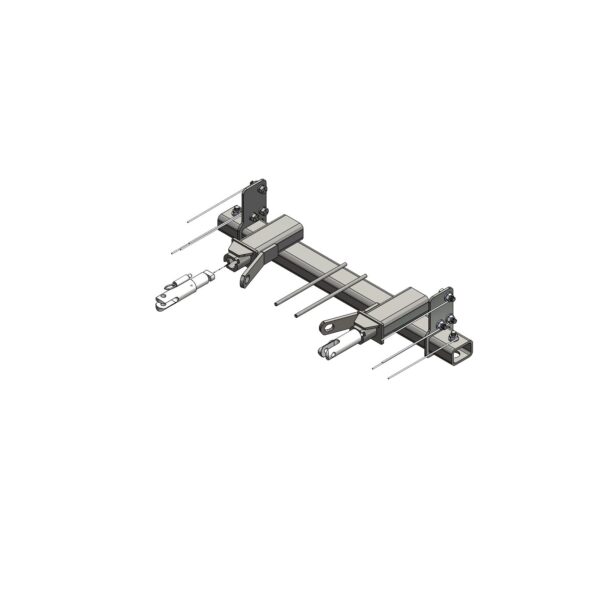
A towing base plate is a crucial component in a flat towing setup, serving as the primary connection point between the towed vehicle and the tow bar. This connection is essential for safely and effectively towing a vehicle behind another, such as a motorhome. The base plate attaches directly to the chassis of the towed vehicle, providing a secure and stable anchor for the tow bar. Its importance lies in its ability to distribute the towing forces evenly, reducing stress on the vehicle’s frame and ensuring a controlled towing experience. Without a properly installed base plate, the safety and stability of the towing setup are significantly compromised, potentially leading to accidents or damage.
Key Features and Types of Base Plates
Material and Build Quality
The material and build quality of a base plate are paramount to its performance and longevity. High-quality base plates are typically constructed from robust materials like steel, known for its strength and durability. The manufacturing process is equally important, with methods like laser cutting and precision welding ensuring a precise fit and strong structure. These processes minimize stress points and maximize the base plate’s ability to withstand the forces of towing. Choosing a base plate made from high-quality materials and constructed with meticulous manufacturing processes is essential for safety and long-term reliability. According to industry standards, the materials must be able to withstand extreme conditions and prolonged use.
Types of Base Plates
There are several types of base plates available, each with its own set of features and benefits. The two main categories are custom-fit and universal base plates.
- Custom Fit Base Plates: Designed specifically for a particular vehicle make and model, custom-fit base plates offer a precise and secure fit. They are engineered to match the vehicle’s frame, ensuring optimal strength and ease of installation. These plates minimize the need for modifications and often integrate seamlessly with the vehicle’s existing structure.
- Universal Base Plates: Universal base plates are designed to fit a wider range of vehicles. While they offer flexibility, they may require some modifications during installation to ensure a proper fit. The universal design can be a cost-effective solution for those with unique or older vehicles, but it is crucial to verify compatibility and follow installation instructions carefully.
Design and Compatibility
The design of a base plate is critical, particularly concerning the attachment points, installation process, and compatibility with other towing components. The attachment points, which connect the base plate to the tow bar, must be robust and well-engineered to handle the towing forces. They should be designed to provide a secure and stable connection, minimizing the risk of failure during towing. The ease of installation is also a significant factor, with many modern base plates designed for straightforward installation, often without the need for extensive modifications. It’s essential to consider compatibility with your tow bar, ensuring the base plate and tow bar are designed to work together. A mismatch can compromise safety and towing performance. It’s recommended to ensure these elements are aligned for a safe and effective towing experience.
Choosing the Right Base Plate for Your Vehicle
Vehicle Compatibility
Ensuring the base plate is compatible with your vehicle is the first step in selecting the right one. To determine compatibility, start by identifying your vehicle’s make, model, and year. Many manufacturers provide online compatibility tools that allow you to enter your vehicle details and see which base plates fit. Checking your vehicle’s owner’s manual for towing recommendations is crucial. The manual will provide important information about towing capacity, any specific requirements, and whether flat towing is even recommended. Following these steps will help you narrow down your options and find a base plate that is specifically designed for your vehicle.
Installation Considerations
Consider the installation process when choosing a base plate. Some base plates are designed for DIY installation, often involving straightforward steps and basic tools. However, professional installation is frequently recommended, especially for those who are not experienced with vehicle modifications. Professional installation ensures the base plate is correctly fitted, securely attached, and meets all safety standards. A professional installer will have the expertise and tools necessary to properly install the base plate, reducing the risk of errors. If you are not comfortable with DIY installation or are unsure about any aspect of the process, seeking professional assistance is the best approach. This approach will guarantee the safety and reliability of your towing setup.
Budget and Cost
The cost of a base plate can vary depending on the brand, features, and vehicle compatibility. Prices can range from a few hundred dollars to over a thousand, depending on these factors. When setting your budget, balance the cost with the quality and features you need. While a lower-priced base plate might seem appealing, ensure it meets your safety and performance requirements. It’s often beneficial to invest in a high-quality base plate from a reputable brand, as this will typically offer better durability and a longer lifespan. Consider the long-term value, including factors like warranty and customer support. Balancing your budget with these considerations will help you choose a base plate that meets your needs without compromising safety or quality.
Installation and Maintenance Guide
Step-by-Step Installation Guide
Installing a base plate requires careful attention to detail. Before you begin, gather all necessary tools and materials, including a socket set, wrenches, a drill, and any other components specified by the manufacturer. Following the manufacturer’s instructions precisely is critical. These instructions will provide step-by-step guidance, including the location of attachment points and the order of assembly. If the instructions include diagrams or images, refer to them as you progress. It’s essential to ensure the base plate is securely attached to the vehicle’s frame. Tighten all bolts to the specified torque settings, as this will ensure a secure and reliable connection. If you encounter any difficulties, don’t hesitate to consult a professional or contact the manufacturer for assistance. This will prevent damage to the vehicle and ensure a safe and reliable towing setup. Below is a basic guide for installation:
- Preparation: Park your vehicle on a level surface, engage the parking brake, and disconnect the battery. Gather all the necessary tools and materials.
- Frame Preparation: Identify the mounting points on your vehicle’s frame. Clean and prepare the frame surfaces as instructed by the manufacturer.
- Base Plate Mounting: Attach the base plate to the frame using the provided hardware. Align the plate with the mounting points and secure it with bolts, ensuring they are tightened to the specified torque.
- Wiring and Connections: If applicable, install any necessary wiring for lights and braking systems.
- Final Check: Double-check all connections and ensure the base plate is securely attached. Reconnect the battery and test the system.
Maintenance Tips
Regular maintenance is crucial for ensuring the longevity and safety of your base plate. Perform regular inspections for wear and tear, looking for any signs of damage, such as cracks or corrosion. Check the bolts and fasteners to ensure they remain tight and secure. If you detect any rust or corrosion, clean it with a wire brush and apply a rust inhibitor to prevent further damage. When cleaning the base plate, use mild soap and water, avoiding harsh chemicals that could damage the finish or compromise the metal. Inspect the base plate before each towing trip. Proper maintenance will help extend the lifespan of your base plate and ensure it performs safely and reliably.
Top Base Plate Brands and Models
Brand Spotlight
Several brands are recognized for producing high-quality base plates. These brands have earned a reputation for reliability and innovation.
- Blue Ox: Blue Ox is known for its robust designs and ease of installation. Their base plates often feature a streamlined design, making them a popular choice for various vehicle models.
- CURT: CURT offers a range of base plates known for their durability and affordability. Their products are designed to provide a secure towing connection.
- Demco: Demco base plates are recognized for their sturdy construction and excellent performance. Their commitment to quality makes them a trusted choice.
Model Comparison Table
| Brand | Model | Key Features | Vehicle Compatibility | Pros | Cons |
|---|---|---|---|---|---|
| Blue Ox | Avail | Removable arms, powder-coated finish | Wide range of vehicles | Durable, easy to install | May require professional installation for some vehicles |
| CURT | Multi-Fit | Adjustable, universal design | Many vehicle types | Versatile, cost-effective | May require modifications for proper fit |
| Demco | Dominion | High-strength steel, easy to connect | Specific vehicle models | Strong, secure connection | Higher price point |
Safety and Legal Considerations
Safety Guidelines
Towing safely is paramount to prevent accidents and protect both vehicles. Before each towing trip, inspect the base plate, tow bar, and all related components to ensure they are in good working order. Check that the base plate is securely attached to both the towed and towing vehicles, and that all connections are tight. Ensure that the load is distributed evenly. An improperly balanced load can affect the handling of both vehicles, increasing the risk of an accident. Adhere to posted speed limits, as towing often requires reducing your speed. Increased speeds can make it more difficult to control the vehicle.
Legal Requirements
It’s crucial to be aware of and comply with all applicable towing laws and regulations. Towing laws vary by state and region, so familiarize yourself with the specific requirements for your location. These laws may cover various aspects, including towing speed limits, the requirement for safety chains, and lighting regulations. Many states also have specific insurance requirements for towing. Ensure your insurance policy covers the towing setup and that you have adequate liability coverage. Failure to comply with these legal requirements can result in fines, penalties, and potential liability in the event of an accident. Always stay informed about the latest laws and regulations to ensure you are towing legally and safely.
| Weight | 20.41 kg |
|---|---|
| Dimensions | 9 × 12 × 36 cm |
Q & A
You Might Also Like
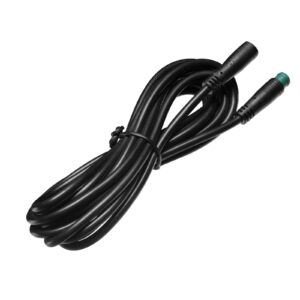
ORACLE Lighting 10ft ColorSHIFT RGB+W Rock Light Extension Cable
$8.46- ✓ Warranty
- ✓ 30-Day Returns
- ✓ Secure Checkout
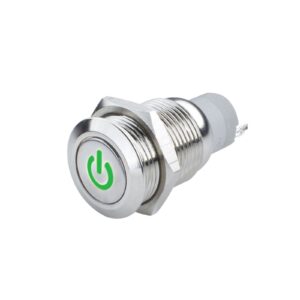
2009-004 - ORACLE Pre-Wired Power Symbol On/Off Flush Mount LED Switch
$21.21- ✓ Warranty
- ✓ 30-Day Returns
- ✓ Secure Checkout
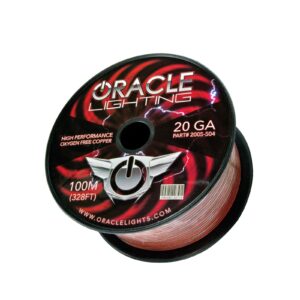
2005-504 - 20AWG 2 Conductor LED Installation Wire 100M (328ft) Spool
$67.96- ✓ Warranty
- ✓ 30-Day Returns
- ✓ Secure Checkout



Free Delivery
Free Shipping over $299

secure payment
Credit-Debit & Installments

Easy returns
30 days FREE returns

Online Support
Expert Support & HelpLine



Reviews
There are no reviews yet