












































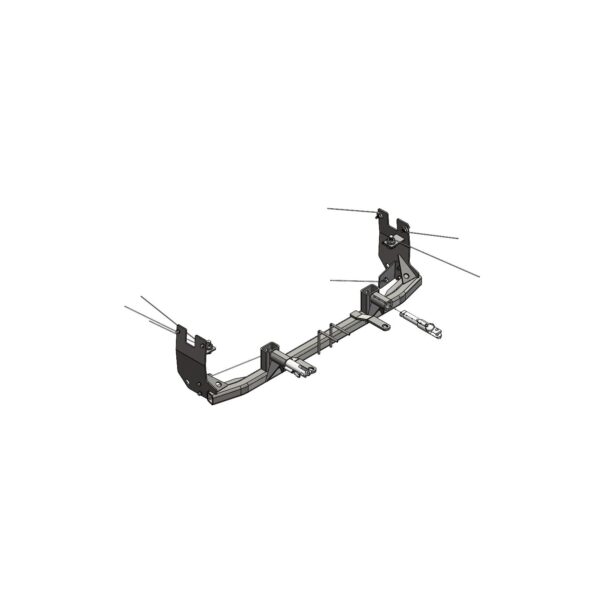
Base Plate
Securely tow your vehicle with a high-quality base plate. Designed for easy installation, it offers durability, safety, and a reliable connection for your towing needs.

What is a Base Plate for Towing?
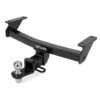
A base plate is a crucial component in flat towing, the process of towing a vehicle with all four wheels on the ground behind another vehicle, such as an RV or motorhome. The base plate serves as the primary connection point between the towed vehicle and the tow bar, which in turn connects to the towing vehicle. This system allows for safe and efficient towing by distributing the forces involved and providing a stable connection. The base plate, in conjunction with a tow bar, safety cables, and a supplemental braking system (if required by law), ensures that the towed vehicle follows the towing vehicle’s movements. The design and installation of a base plate must be specific to the towed vehicle to ensure a secure and reliable connection. The goal is to provide a strong and reliable link that can withstand the stresses of towing over various road conditions and distances.
Key Features and Benefits
Durable Construction
Base plates are typically constructed from high-strength steel to withstand the considerable forces involved in towing. The steel is often treated with a protective coating, such as powder coating, to resist corrosion and rust. Welding techniques are employed to ensure the base plate’s structural integrity, providing a robust and long-lasting component. The quality of materials and construction methods directly impact the base plate’s ability to endure the stresses of towing and its overall lifespan. These features ensure longevity, even when exposed to harsh weather and road conditions.
- Durability and Longevity of a base plate: Constructed from high-strength steel with protective coatings for longevity.
- Materials of Construction: High-strength steel and powder coating to resist corrosion and rust.
Easy Installation
Base plates are designed for relatively straightforward installation, often allowing for DIY installation with the proper tools and instructions. Vehicle-specific designs include pre-drilled holes and mounting points that align with the vehicle’s frame. This minimizes the need for modifications and simplifies the installation process. Instructions, including clear diagrams, are usually provided, and most installations can be completed within a few hours. While professional installation is recommended for those unfamiliar with automotive work, many base plates are designed to be user-friendly, making them accessible to a wide range of users. Always refer to the manufacturer’s instructions for accurate installation.
- Installation Process: Vehicle-specific design with pre-drilled holes for easy mounting.
- Tools Required: Wrenches, sockets, and possibly a torque wrench, depending on the model.
Safety and Security
Base plates are engineered to provide a secure attachment to the vehicle’s frame, adhering to strict safety standards. The robust attachment points and solid construction ensure a stable connection, minimizing the risk of separation during towing. Safety features include redundant attachment points, designed to distribute the load and prevent failure. Compliance with industry safety standards is a priority in the design and manufacturing of base plates. Using a base plate helps to ensure that the towed vehicle follows the towing vehicle’s movements predictably and safely.
- Secure attachment points: Ensures a stable and reliable connection to the vehicle’s frame.
- Safety standards: Compliance with industry regulations to ensure safe towing.
Installation Guide
Preparation
Before starting the installation, gather all the necessary tools, including wrenches, sockets, a torque wrench, and any specific tools recommended by the base plate manufacturer. Ensure you have a safe workspace, such as a level surface and adequate lighting. Read the installation manual thoroughly before beginning to understand the specific steps and any unique requirements for your vehicle. Safety precautions include wearing safety glasses and gloves, and following all manufacturer guidelines. Also, ensure that the vehicle is properly supported, either with jack stands or a lift, and disconnect the negative battery cable to prevent electrical shorts.
- Tools Required: Wrenches, sockets, torque wrench, and any specific tools recommended by the manufacturer.
- Safety Precautions: Wear safety glasses and gloves; disconnect the negative battery cable.
Step-by-Step Installation Process
- Step 1: Position the base plate components according to the manufacturer’s instructions. Align the base plate with the vehicle’s frame, ensuring the mounting points match the vehicle’s pre-drilled holes or mounting locations.
- Step 2: Secure the base plate to the vehicle’s frame using the provided hardware. Tighten the bolts to the manufacturer’s recommended torque specifications. Use a torque wrench to ensure accurate tightening.
- Step 3: After installation, double-check all connections and hardware to ensure they are securely fastened. Reconnect the negative battery cable and verify that the base plate is securely mounted and that all related components are properly installed.
Base Plate Specifications and Dimensions
Dimensions
The dimensions of a base plate are critical for ensuring a proper fit and compatibility with your vehicle. These dimensions typically include the length, width, and height of the base plate, along with the distance between mounting points. These dimensions will vary depending on the vehicle make and model. Precise measurements allow you to confirm the base plate’s compatibility with your vehicle before purchase. For instance, a base plate may have the following dimensions:
- Length: 52 inches
- Width: 21 inches
- Height: 13 inches
Materials and Finish
The materials and finish of a base plate contribute to its durability, longevity, and resistance to the elements. Base plates are commonly made from high-strength steel. A protective coating, such as powder coating, is applied to protect the steel from rust, corrosion, and the wear and tear associated with towing. The finish ensures that the base plate remains in good condition over time, even when exposed to harsh weather conditions and road salt. The choice of materials and finish directly affects the base plate’s performance and lifespan.
- Material: High-strength steel.
- Finish: Powder coating for corrosion resistance.
Choosing the Right Base Plate
Vehicle Compatibility
Choosing the right base plate starts with verifying vehicle compatibility. Base plates are specifically designed to fit particular vehicle makes and models. Check the manufacturer’s website or product specifications to ensure the base plate is compatible with your vehicle. Use a compatibility chart or a vehicle lookup tool to confirm the fit. Always use vehicle-specific base plates for secure and proper installation. Incorrect compatibility can lead to improper fit and compromised safety, while using the correct model ensures a secure and reliable connection.
- Vehicle Compatibility: Base plates are designed for specific vehicle makes and models.
- Lookup Tools: Use compatibility charts or tools to find the right fit for your vehicle.
Determining Load Capacity
The load capacity of a base plate must match your towing needs. The load capacity is the maximum weight the base plate can safely handle. Consider the combined weight of the towed vehicle and any additional cargo. Exceeding the load capacity can damage the base plate and compromise safety. Ensure the base plate’s load capacity meets or exceeds your towing needs. By choosing a base plate with an appropriate load capacity, you help to ensure the safety and reliability of your towing setup.
- Towing Needs: Consider the weight of the towed vehicle and any cargo.
- Load Capacity: Ensure the base plate’s load capacity meets or exceeds your towing needs.
Maintenance and Care
Regular Inspection
Regular inspections are essential to maintaining the base plate’s performance and safety. Inspect the base plate regularly for any signs of wear and tear, such as cracks, bending, or damage. Check for corrosion, especially in areas exposed to the elements, and clean off any rust. Verify that all bolts and connections are securely tightened. Address any issues promptly to prevent further damage and ensure safe towing. Following a regular inspection schedule is an important part of base plate maintenance.
- Check for Wear and Tear: Inspect for cracks, bending, or other damage.
- Corrosion: Clean off rust and protect against corrosion.
- Loose Bolts: Ensure all bolts and connections are securely tightened.
Cleaning and Lubrication
Cleaning and lubrication of your base plate can extend its life and help prevent problems. Clean the base plate periodically to remove dirt, road salt, and other debris. Use a mild soap and water solution for cleaning, and avoid harsh chemicals that could damage the finish. After cleaning, apply a lubricant to the moving parts of the base plate, such as the connecting pins or any moving components. This will reduce friction and prevent premature wear. This will help maintain the base plate’s performance and reliability over time.
- Cleaning the base plate: Use mild soap and water to remove dirt and debris.
- Lubrication: Apply lubricant to moving parts.
| Weight | 29.48 kg |
|---|---|
| Dimensions | 52 × 21 × 13 cm |
Q & A
You Might Also Like

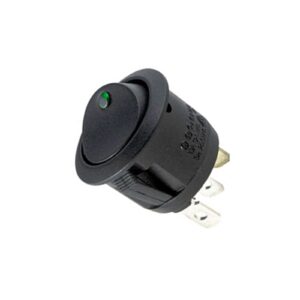
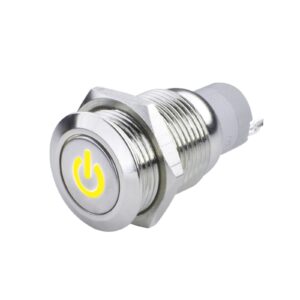
2009-006 - ORACLE Pre-Wired Power Symbol On/Off Flush Mount LED Switch
$21.21- ✓ Warranty
- ✓ 30-Day Returns
- ✓ Secure Checkout



Free Delivery
Free Shipping over $299

secure payment
Credit-Debit & Installments

Easy returns
30 days FREE returns

Online Support
Expert Support & HelpLine



Reviews
There are no reviews yet