














































Base Plate
Securely tow your vehicle with a base plate designed for your [Vehicle Make/Model]. Durable steel construction ensures a reliable connection for safe and easy towing.
What is a Base Plate for Towing?
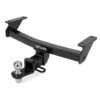
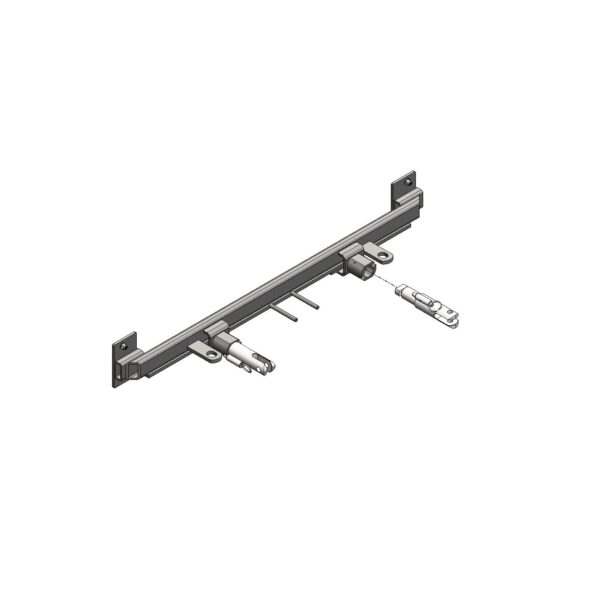
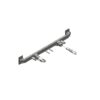
A base plate is a crucial component in a flat towing system, providing a secure and reliable connection between your vehicle and a tow bar. It serves as the primary attachment point for the tow bar, which in turn connects to the towing vehicle, typically an RV. This allows you to safely tow your car behind your RV or other towing vehicle, enabling convenient travel and exploration. The base plate is specifically designed to bolt directly onto the chassis of your vehicle, ensuring a strong and stable connection. This direct attachment helps distribute the towing forces evenly, preventing damage to your vehicle and ensuring a smooth towing experience.
Purpose and Functionality
The primary purpose of a base plate is to provide a solid and secure connection point for a tow bar, allowing a vehicle to be safely towed behind another vehicle, such as an RV. Functionally, the base plate is the interface between your vehicle’s frame and the tow bar. It is engineered to withstand the stresses of towing, including acceleration, braking, and turning. When properly installed, the base plate effectively transfers the towing forces from the tow bar to the vehicle’s frame, maintaining stability and control during transit. This setup is essential for flat towing, where all four wheels of the towed vehicle remain on the ground.
Flat towing is a popular method for RV owners to bring a secondary vehicle along for exploration. It is particularly advantageous because it does not require the use of a trailer, allowing the towed vehicle to be readily available for local trips once the RV is parked. When flat towing, the base plate is a key element that, when combined with a tow bar, safety cables, and supplemental braking system (where required), ensures that the towed vehicle follows the towing vehicle smoothly and safely.
Key Components of the Base Plate System
- Attachment Points: Base plates feature robust attachment points that connect to the vehicle’s chassis using pre-drilled holes, often utilizing existing mounting points.
- Hardware: High-strength bolts, washers, and other hardware are included to securely fasten the base plate to the vehicle’s frame.
- Tow Bar Connection Points: The base plate incorporates connection points, such as tabs or brackets, designed to receive and secure the tow bar.
- Safety Cable Attachment Tabs: Integrated tabs or loops on the base plate are used to attach safety cables, serving as a backup in case of a primary connection failure.
Choosing the Right Base Plate for Your Vehicle
Selecting the correct base plate for your vehicle is a critical step in ensuring a safe and effective flat towing experience. The most important factor is vehicle compatibility, as base plates are specifically designed for certain makes, models, and years. Incorrect fitment can compromise the integrity of the towing system and pose safety risks. Therefore, it is essential to choose a base plate that is precisely engineered to match your vehicle’s specifications.
Vehicle Compatibility
Base plates are not universal; they are custom-designed to fit specific vehicle makes, models, and years. This ensures a proper fit and secure attachment to the vehicle’s frame. Utilizing a vehicle selector tool, either on the manufacturer’s website or a reputable retailer’s site, is the most reliable way to determine the correct base plate. This tool requires you to input the make, model, and year of your vehicle, and it will display the compatible base plate options. Always double-check the fitment guide to ensure you have selected the correct plate.
- Make and Model: Ensure the base plate is designed for your specific vehicle make and model.
- Year: Verify that the base plate is compatible with your vehicle’s production year, as designs can change.
- Vehicle Sub-Models: Consider any sub-model variations, such as trim levels or special editions, as these can affect compatibility.
- Popular Vehicle Models: Base plates are widely available for popular models such as the Ford F-150, Jeep Wrangler, Chevrolet Silverado, and many more.
Installation Process Overview
The installation process for a base plate generally involves bolting it directly to your vehicle’s frame. While the exact steps will vary depending on the vehicle and base plate design, here’s a general overview:
- Preparation: Gather all necessary tools, including a wrench set, torque wrench, and any other tools specified in the manufacturer’s instructions.
- Attachment: Align the base plate with the vehicle’s frame and attach it using the provided hardware. This often involves removing existing components, such as bumper trim or skid plates.
- Securing: Tighten all bolts to the manufacturer’s specified torque settings to ensure a secure connection.
- Wiring: Install the necessary wiring harness for the towed vehicle’s lights, connecting them to the towing vehicle.
- Testing: After installation, test the towing system to ensure all components function correctly, including the lights and safety cables.
Due to the complexity of the installation, professional installation is recommended, particularly if you are not familiar with automotive mechanics. This ensures that the base plate is installed correctly, maximizing safety and performance. Professional installers have the expertise and tools to properly mount the base plate, and they can verify that all components are functioning correctly before you begin towing.
Key Features & Benefits of a Base Plate
A well-designed base plate offers several benefits that contribute to a safe, reliable, and convenient towing experience. These features are critical for ensuring that the towing system performs as intended and provides peace of mind while on the road.
Durability and Construction
Base plates are constructed from durable materials, typically high-strength steel, to withstand the rigors of towing. They are designed to resist corrosion and withstand the elements, extending their lifespan and ensuring long-term reliability. Some base plates feature a powder-coated finish, which adds an extra layer of protection against rust and wear. This coating enhances the base plate’s resistance to environmental factors, such as road salt and moisture, preserving its structural integrity and appearance. The robust construction of a base plate ensures that it can withstand the stress of towing, providing a secure connection between the towed vehicle and the tow bar. Choosing a base plate made from quality materials and featuring a protective finish is a wise investment, as it contributes to the longevity of the towing system.
Safety and Reliability
The base plate is a vital component in the towing system, directly impacting the safety and reliability of flat towing. A securely mounted base plate ensures a stable and dependable connection between the towed vehicle and the tow bar. Safety cables are an essential part of this setup, acting as a backup in case the primary connection fails. Integrated tabs on the base plate allow for the secure attachment of these cables, adding an extra layer of protection. Proper installation and regular inspection of the base plate and associated components are crucial for maintaining a safe towing experience. Check the bolts regularly, look for signs of wear, and ensure all connections are secure before each towing trip. The quality of the base plate and its correct installation are paramount to prevent accidents and ensure that the towed vehicle follows the towing vehicle predictably.
- Solid Connection: The base plate’s direct attachment to the vehicle’s frame ensures a solid connection.
- Safety Cable Integration: Integrated tabs or loops provide a secure attachment point for safety cables.
- Reduced Risk: A properly installed base plate minimizes the risk of detachment and associated hazards.
Ease of Use
Modern base plates are designed for ease of use, making the towing process more convenient. Features such as twist-lock tabs or quick-release mechanisms simplify the connection and disconnection of the tow bar. This streamlined design saves time and effort, making it easier to set up and take down the towing system. User-friendly designs contribute to a more enjoyable and less stressful towing experience, as they minimize the time and effort required to prepare the vehicle for travel. By choosing a base plate with user-friendly features, you can enhance the overall convenience and efficiency of your towing setup, ensuring that you spend less time on setup and more time enjoying your trip.
Base Plate Specifications and Dimensions
Understanding the specifications and dimensions of a base plate is crucial for ensuring it is compatible with your vehicle and meets your towing requirements. These details provide key information about the product’s physical attributes and performance capabilities.
Base Plate Dimensions
The dimensions of a base plate can vary depending on the vehicle make and model, so it is essential to consult the product specifications. However, here’s an example: Length: 41.25 inches, Width: 6.75 inches, Height: 6.5 inches. These dimensions are approximations and can differ slightly. The specific dimensions should be checked to ensure they fit your vehicle’s frame without obstruction. Ensure there is enough clearance for other vehicle components, such as the bumper and undercarriage, before making a purchase.
Material and Finish
Base plates are commonly constructed from high-strength steel to withstand the forces of towing. The finish on a base plate is equally important, as it affects its resistance to corrosion and wear. Powder-coating is a popular finish that provides excellent protection against rust, scratches, and the elements. This protective coating helps extend the lifespan of the base plate and maintain its appearance over time. Choosing a base plate with a durable finish is a wise investment, as it helps protect the product from environmental damage and ensures it will last for years.
Weight and Capacity
The weight of a base plate varies depending on its design and materials. A typical base plate can weigh anywhere from 20 to 50 pounds, though this can vary depending on the vehicle application. Always consider the product’s weight when installing and handling it. The maximum towing capacity is a critical specification, indicating the maximum weight the base plate is rated to tow. This rating must be equal to or greater than the gross vehicle weight of the vehicle being towed. Exceeding the weight limits can compromise safety and damage the base plate. Check the product specifications for the maximum towing capacity and ensure it meets your needs. Consider the vehicle’s GVWR when determining the towing capacity.
Example: Product weight: 25 pounds. Maximum Towing Capacity: 10,000 pounds. Always adhere to the manufacturer’s specifications and safety guidelines.
Care and Maintenance
Proper care and maintenance of your base plate are essential for extending its lifespan and ensuring its continued safe operation. Regular cleaning and inspection can identify potential issues early on, preventing more significant problems down the line. Taking preventive measures, such as applying rust inhibitors, will also protect the base plate from corrosion, keeping it in good working condition.
Cleaning and Inspection
Cleaning your base plate regularly helps remove dirt, road salt, and other debris that can accumulate and cause corrosion. Use a mild soap and water solution to clean the base plate, then rinse it thoroughly. Inspect the base plate regularly for signs of wear and tear, such as rust, cracks, or loose bolts. Check all mounting hardware to ensure it is tight and secure. Rust and corrosion can weaken the metal over time, compromising the base plate’s structural integrity. If you notice any damage, address it promptly by repairing or replacing the affected components. Regular inspections and maintenance are essential to keep your base plate in optimal condition.
- Regular Inspections: Inspect your base plate before each towing trip.
- Wear and Tear: Look for rust, cracks, and loose bolts.
- Potential Issues: Check for signs of corrosion, damage, or excessive wear.
Long-Term Care
To prevent rust and corrosion, consider applying a rust inhibitor or protective coating to the base plate. This will create a barrier against moisture and other elements, further extending the lifespan of the product. Keeping the base plate clean and well maintained also helps prevent corrosion. Regularly wash and inspect the base plate, and address any signs of rust or damage promptly. Maintaining the base plate helps keep it in good working order, guaranteeing its durability and safe towing performance.
Keeping your base plate clean and properly maintained will help extend its life and ensure safe towing. Following the manufacturer’s recommendations and performing regular inspections will contribute to years of reliable use. In addition to this, it is essential to check the connections and towing system before each use to ensure a smooth and secure ride.
| Weight | 15.42 kg |
|---|---|
| Dimensions | 41.25 × 6.75 × 6.5 cm |
Q & A
You Might Also Like
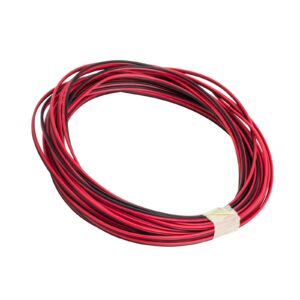
2005-001 - 20AWG 2 Conductor LED Installation Wire (Sold by the Foot)
$0.43- ✓ Warranty
- ✓ 30-Day Returns
- ✓ Secure Checkout
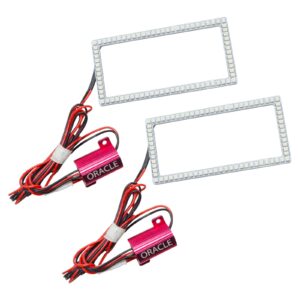
1530-001 - Chevrolet Silverado 2014-2015 ORACLE LED Fog Halo Kit
$106.21- ✓ Warranty
- ✓ 30-Day Returns
- ✓ Secure Checkout
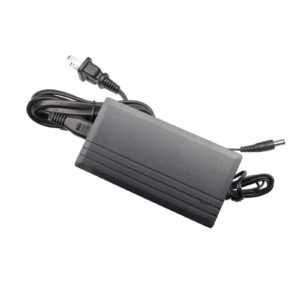
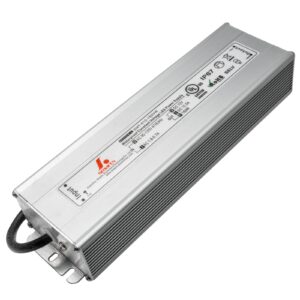
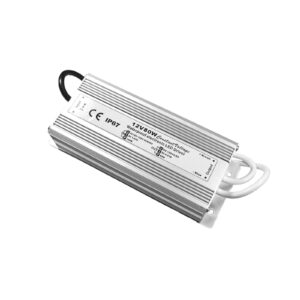
1625-504 - ORACLE 12.5A 12V 150W Power Supply UL
$101.15- ✓ Warranty
- ✓ 30-Day Returns
- ✓ Secure Checkout
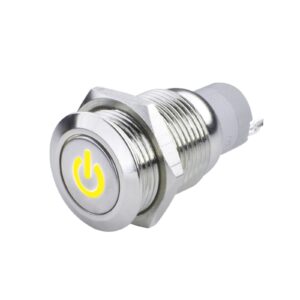
2009-006 - ORACLE Pre-Wired Power Symbol On/Off Flush Mount LED Switch
$21.21- ✓ Warranty
- ✓ 30-Day Returns
- ✓ Secure Checkout



Free Delivery
Free Shipping over $299

secure payment
Credit-Debit & Installments

Easy returns
30 days FREE returns

Online Support
Expert Support & HelpLine


Reviews
There are no reviews yet