









































Gooseneck Trailer Hitch
Get a reliable gooseneck trailer hitch for heavy-duty towing. Designed for superior strength and stability, our hitches offer enhanced control and weight distribution.
What is a Gooseneck Trailer Hitch?
Overview
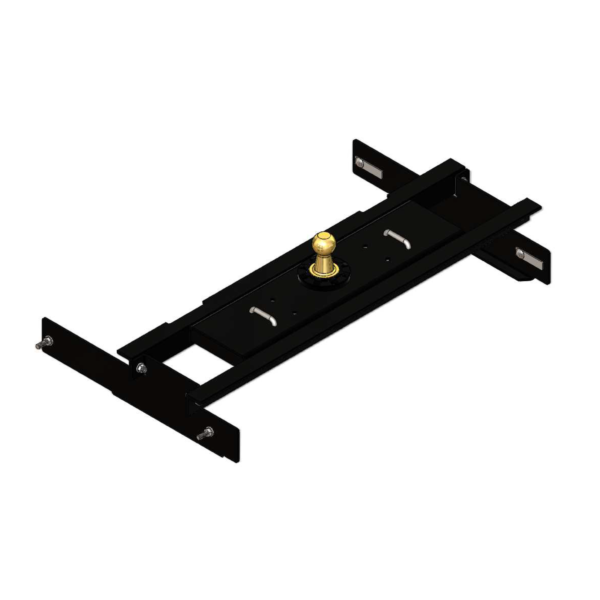
A gooseneck trailer hitch is a specialized towing system designed to connect a trailer to a tow vehicle. Primarily used for heavy-duty towing, these hitches are known for their superior strength and stability, making them ideal for hauling larger trailers and heavier loads. The gooseneck hitch is distinct because it features a ball and coupler system that fits directly into the truck bed, above or below the bed’s surface. This design allows for a more direct connection between the truck and the trailer, which enhances control and weight distribution during towing.
Key Components
The main components of a gooseneck hitch include the gooseneck ball, the mounting system, and the safety chains. The ball is the primary point of connection, typically a 2 5/16-inch diameter ball, although smaller sizes exist for lighter-duty applications. The mounting system consists of rails and brackets that are installed in the truck bed to secure the ball. Safety chains are attached to the trailer and the truck, providing an additional layer of security to prevent complete separation in case of hitch failure. These components work together to provide a secure and reliable connection for towing.
Key Features and Benefits of Gooseneck Hitches
Superior Towing Capacity and Stability
Gooseneck hitches are engineered to handle much higher towing capacities compared to conventional bumper hitches. The location of the connection point, centered over the rear axle of the truck, significantly enhances stability by distributing the weight more evenly. This design reduces the potential for trailer sway and offers a more controlled towing experience, especially at higher speeds or in adverse weather conditions. The direct connection minimizes the leverage exerted on the tow vehicle, which leads to less stress on the truck’s suspension and frame. This is why they are preferred for transporting livestock, equipment, and other heavy cargo.
Versatility and Ease of Use
Gooseneck hitches are versatile, accommodating various trailer types, including livestock trailers, flatbed trailers, and enclosed cargo trailers. They offer flexibility for different towing needs, allowing users to switch between trailers of varying sizes and weights. The design of the gooseneck hitch makes it easy to connect and disconnect trailers. The ball secures quickly, and many hitches feature mechanisms to simplify the locking process. This ease of use is a significant advantage for those who frequently tow different trailers or need to connect and disconnect their trailer often.
Durability and Longevity
Gooseneck hitches are constructed from robust materials, often high-strength steel, to withstand the stresses of heavy-duty towing. The manufacturing process involves precise welding and treatments to ensure durability and resistance to corrosion. The materials used in the construction of these hitches are selected for their ability to endure harsh conditions, including exposure to weather, road salt, and continuous use. Regular maintenance, such as cleaning and lubrication, is crucial to extending the life of a gooseneck hitch and maintaining its performance over time.
Gooseneck Hitch Installation and Compatibility
Installation Process Overview
Installing a gooseneck hitch typically involves several steps. First, the truck bed must be prepared by removing any existing bed liner or obstructions. Next, the mounting rails or brackets are positioned and secured to the truck’s frame, usually requiring drilling and bolting. The gooseneck ball is then installed into the mounting system. The installation process varies based on the specific hitch model and the truck’s make and model. It is essential to use the right tools and follow the manufacturer’s instructions carefully to ensure a safe and secure installation. Professional installation is recommended for those unfamiliar with this process.
Compatibility Considerations
Before selecting a gooseneck hitch, it is crucial to consider compatibility factors. Ensure the hitch is designed for the truck’s make, model, and year. Verify the truck’s towing capacity and the gross vehicle weight rating (GVWR) to ensure it can safely tow the intended trailers. Consider the size of the truck bed and the location of the wheel wells, as these can affect the installation and use of the hitch. Additionally, check the trailer’s weight, dimensions, and coupling requirements to confirm compatibility with the gooseneck hitch. Consulting the hitch manufacturer’s specifications and seeking professional advice can help ensure that all components are compatible and suitable for safe towing.
Safety Tips and Maintenance for Gooseneck Hitches
Pre-Trip Inspection
A thorough pre-trip inspection is essential before each towing session. This should include a visual check of the gooseneck ball for wear or damage. The ball should be securely fastened, and the locking mechanism should be engaged correctly. Inspect the safety chains to ensure they are properly connected to both the trailer and the truck, with enough slack to allow for turning but not dragging on the ground. Check that all electrical connections for trailer lights and brakes are secure and functioning. Inspecting the hitch and trailer tires for proper inflation and wear will also ensure safety and prevent tire failure.
Regular Maintenance
Regular maintenance extends the life of the gooseneck hitch and ensures safe operation. Lubricate the gooseneck ball regularly with a grease designed for trailer hitches to reduce friction and prevent wear. Inspect the hitch components for signs of rust, corrosion, or damage. Clean the hitch periodically to remove dirt, debris, and road salt. Tighten bolts and fasteners as needed. If any issues, such as excessive wear, play, or damage, are found, the hitch should be repaired or replaced promptly. Following a consistent maintenance schedule helps maintain the hitch’s performance and safety.
Choosing the Right Gooseneck Hitch: Types and Considerations
Types of Gooseneck Hitches
There are several types of gooseneck hitches, each designed for specific needs. Under-bed hitches are installed below the truck bed and offer a clean appearance when the ball is not in use, often featuring a flip-over or removable ball design. Above-bed hitches mount directly on top of the truck bed and provide easy access. Turnover ball hitches offer the flexibility to switch between a gooseneck ball and a standard ball, allowing for different towing options. The choice of hitch type should be based on the user’s towing needs, the appearance they prefer, and the ease of use.
Factors to Consider
When selecting a gooseneck hitch, several factors should be taken into account. Determine the truck’s towing capacity, which is specified by the manufacturer. Consider the types and weights of trailers that will be towed, ensuring the hitch can handle the loads. The ease of installation is another important consideration. Choose a hitch that fits your truck’s bed size and model. Decide if you need a hitch that can accommodate different ball sizes or towing configurations. Read reviews and compare features to make an informed decision. This will help in selecting a gooseneck hitch that is suitable for your towing needs.
| Weight | 48.54 kg |
|---|---|
| Dimensions | 4 × 4 × 47 cm |
Q & A
You Might Also Like



Free Delivery
Free Shipping over $299

secure payment
Credit-Debit & Installments

Easy returns
30 days FREE returns

Online Support
Expert Support & HelpLine


Reviews
There are no reviews yet