





































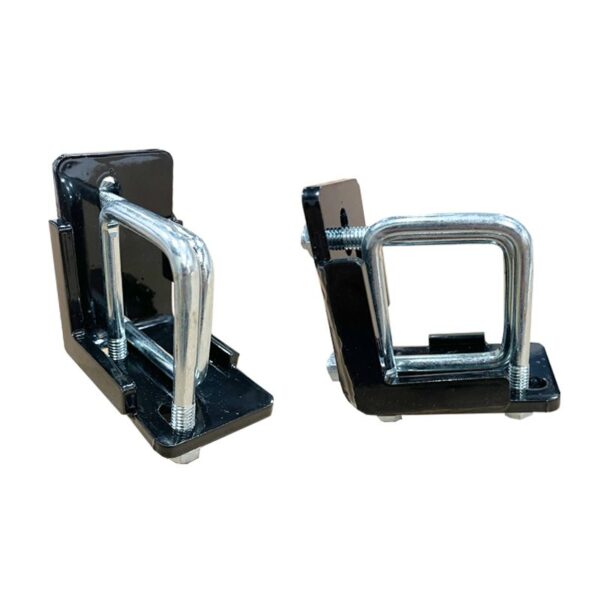
Hitch Immobilizer
Stop hitch rattle and sway with the Hitch Immobilizer. Enjoy a quieter, more stable towing experience with easy installation and enhanced safety on the road.
What is a Hitch Immobilizer and Why Do You Need One?
Understanding Hitch Rattle and Sway
Towing a trailer or any other load behind a vehicle can often lead to frustrating issues, primarily hitch rattle and trailer sway. Hitch rattle refers to the annoying clanging and banging sounds that originate from the connection between the hitch receiver on your vehicle and the ball mount or other towing accessories. This noise is a direct result of the inherent play or looseness in the connection, and it can be incredibly distracting and irritating during a drive. In addition to being irritating, it can be a sign of wear and tear, and should be addressed. Trailer sway, on the other hand, is a more dangerous issue where the trailer begins to swing back and forth, potentially leading to loss of control of the towing vehicle and posing significant safety risks, particularly at highway speeds. The effects of sway can be amplified by external factors such as strong winds, uneven road surfaces, or improper weight distribution. Both hitch rattle and trailer sway diminish the overall towing experience, making it less comfortable, less safe, and more stressful for drivers and passengers alike.
- The constant noise from a loose hitch connection is not only irritating but can also mask other important sounds from the vehicle, potentially masking mechanical issues.
- Sway can cause a driver to lose control, leading to accidents and serious injury or death. The faster you drive, the greater the danger.
How a Hitch Immobilizer Solves the Problem
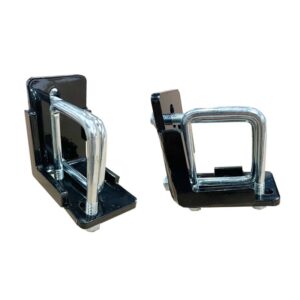
A hitch immobilizer is a specialized accessory designed to address and mitigate the problems of hitch rattle and trailer sway. Its primary function is to create a more secure, stable, and quieter connection between the towing vehicle and the trailer or towed item. The device typically works by applying pressure or clamping down on the connection point, effectively eliminating or minimizing the play between the hitch receiver and the ball mount or other towing accessory. There are several types of hitch immobilizers available on the market, including those that use a clamping mechanism to tightly secure the ball mount to the receiver, and those that use a wedge or shim to fill the gap and reduce movement. By reducing the play in the connection, hitch immobilizers significantly reduce or eliminate the rattling noise, which enhances the towing experience. Furthermore, by improving the stability of the connection, they can help to mitigate trailer sway, making towing safer, especially at higher speeds. By using a hitch immobilizer, drivers can enjoy a smoother, quieter, and safer towing experience, leading to greater peace of mind and confidence on the road.
- Hitch immobilizers use various mechanisms, such as clamping or wedging, to eliminate play between the hitch receiver and the ball mount.
- Hitch immobilizers improve the towing experience by reducing noise, vibration, and sway, contributing to both safety and comfort.
Key Features and Benefits of a Hitch Immobilizer
Enhanced Towing Stability
One of the most important benefits of a hitch immobilizer is the improvement in towing stability. The device works by reducing the amount of movement between the hitch receiver and the ball mount or towing accessory. The play between these components is a primary contributor to trailer sway and general instability, particularly when driving at higher speeds or encountering windy conditions. By minimizing this play, a hitch immobilizer creates a tighter and more secure connection, which significantly reduces the likelihood of the trailer swaying. This enhanced stability translates into a more controlled and predictable towing experience. With the reduction of sway, the driver gains greater control of the vehicle, allowing for more confident and safer maneuvers. This can be especially crucial in challenging driving situations, such as when navigating curves, encountering crosswinds, or experiencing sudden braking situations. The enhanced stability provided by a hitch immobilizer not only improves the driving experience but also contributes to the overall safety of the towing operation, protecting both the vehicle and the trailer from potential accidents or damage.
- A hitch immobilizer reduces the space between the receiver and the ball mount.
- This reduction in play minimizes sway and improves handling, especially at highway speeds and in adverse conditions.
Reduced Noise and Vibration
Besides improving the stability, a hitch immobilizer significantly reduces noise and vibration associated with towing. The constant clanging, rattling, and banging sounds that come from a loose hitch connection can be extremely annoying and distracting for the driver and passengers. A hitch immobilizer addresses this problem by tightly securing the connection point between the hitch receiver and the ball mount or other towing accessory. This close fit effectively eliminates the play and movement that generates the noise and vibration. Many hitch immobilizers are constructed with materials and designs that are specifically chosen to absorb and minimize noise transmission. As a result, the towing experience becomes much quieter and more comfortable, allowing the driver and passengers to enjoy a more pleasant journey. The reduction in noise also improves overall driving comfort by reducing distractions, so drivers can focus on the road and enjoy a more peaceful travel experience.
- Hitch immobilizers often use materials like rubber or specialized designs to absorb noise.
- The result is a quieter and more comfortable towing experience for everyone.
Ease of Installation and Use
Another significant advantage of a hitch immobilizer is its ease of installation and use. Designed with user convenience in mind, most hitch immobilizers are easy to install and remove, often without the need for specialized tools or technical expertise. Installation typically involves inserting the immobilizer into the hitch receiver and securing it in place, a process that can be completed in a matter of minutes. Similarly, removal is usually quick and straightforward, making it easy to switch between towing and non-towing modes. Once installed, the hitch immobilizer requires little to no maintenance. It’s designed to be a set-it-and-forget-it accessory. Its ease of use makes it accessible to all users, regardless of their technical skills or experience. This user-friendly design means that drivers can quickly and easily enjoy the benefits of a more secure, stable, and quieter towing experience, without any extra hassle or complicated procedures. This ease of use makes a hitch immobilizer an excellent addition to any towing setup, enhancing both safety and convenience for the user.
- Most hitch immobilizers are designed for easy installation, removal, and storage, requiring minimal tools and time.
- The simple design ensures that anyone can easily use the hitch immobilizer.
Choosing the Right Hitch Immobilizer
Compatibility and Sizing
When selecting a hitch immobilizer, it is important to ensure that it is compatible with your vehicle’s hitch receiver. Hitch receivers come in various sizes, and the immobilizer must match the size of your receiver to function correctly. Before purchasing a hitch immobilizer, you need to determine the size of your receiver hitch. The most common hitch receiver sizes are 1.25-inch and 2-inch, but there are also other sizes. To measure your hitch receiver, you can refer to your vehicle’s owner’s manual, check the sticker on the hitch itself, or use a measuring tape to measure the inside dimensions of the receiver opening. Once you have the size of your hitch receiver, you can select an immobilizer that is specifically designed to fit that size. Using an immobilizer that doesn’t match the receiver size will not only fail to provide the desired benefits but could also damage the hitch or the immobilizer itself, leading to an unsafe towing situation. Therefore, taking the time to accurately determine your hitch receiver size is an important first step in choosing the right hitch immobilizer and ensuring that it will provide the desired improvements in towing stability, noise reduction, and overall safety.
- Measure the inside dimensions of your hitch receiver opening, or refer to your vehicle’s owner’s manual.
- Matching the immobilizer with the receiver size is vital for proper function and safety.
Material and Construction
The materials used in the construction of a hitch immobilizer play a crucial role in its durability, performance, and longevity. Considering the conditions that hitch immobilizers are exposed to, selecting one made from high-quality materials is crucial for ensuring that it can withstand the stresses of towing, resist corrosion, and provide reliable service over an extended period. Materials such as zinc-plated steel and steel are excellent choices for hitch immobilizers due to their strength, durability, and resistance to rust and corrosion. Zinc-plated steel offers excellent protection against the elements, which is particularly important since hitch immobilizers are often exposed to rain, snow, and road salt. The robust construction of these materials means the hitch immobilizer will be able to withstand the forces associated with towing, including vibration, stress, and impact. The use of high-quality materials contributes to the overall longevity of the hitch immobilizer, ensuring that it provides reliable service and protection for a long time, thereby making your investment worthwhile. Look for an immobilizer that is constructed from these durable materials, and that features a sturdy design to ensure that it can withstand the rigors of regular use and maintain its performance over time.
- Look for materials like zinc-plated steel or steel for their durability and resistance to the elements.
- The choice of materials directly impacts the lifespan and reliability of the immobilizer.
Features to Consider
When choosing a hitch immobilizer, consider features that align with your specific towing needs and preferences. Some hitch immobilizers come with adjustable mechanisms that allow you to fine-tune the tightness of the connection, providing optimal performance and versatility for different types of towing applications. Other models may incorporate anti-theft features, such as locking mechanisms, that help prevent the hitch from being removed or stolen. This is a valuable feature, especially if you frequently leave your trailer or hitch unattended. Some hitch immobilizers are designed with noise-reduction features, like rubber inserts or sound-dampening materials, to further minimize rattling and vibrations. These features can significantly enhance the overall towing experience by making it quieter and more comfortable. Depending on your specific requirements, consider these additional features when choosing a hitch immobilizer to make sure that the product you choose addresses all your needs.
- Look for adjustable mechanisms for fine-tuning, anti-theft features, and noise-reduction components.
- Choose a product that offers the features that are most important for your towing setup.
Installation and Maintenance
Step-by-Step Installation Guide
Installing a hitch immobilizer is typically a straightforward process, designed to be easily completed by most users without special tools or skills. Installation generally involves the following steps:
- Begin by inserting the hitch immobilizer into the receiver of your vehicle’s hitch. Make sure that the immobilizer is properly aligned with the receiver opening.
- Once the immobilizer is inserted, secure it in place. Depending on the design of the immobilizer, this may involve tightening a clamp, inserting a pin, or using a locking mechanism. Follow the manufacturer’s instructions for this step to ensure proper installation.
- After securing the hitch immobilizer, check its fit and stability. Ensure that the immobilizer is firmly in place and that there is minimal movement or play between the hitch receiver and the ball mount.
- If necessary, adjust the immobilizer to ensure a snug and secure fit. Some models feature adjustable components that allow you to fine-tune the fit and eliminate any remaining play.
By following these steps, you can easily install a hitch immobilizer and enjoy the benefits of a more stable, quiet, and secure towing experience.
Maintenance and Care
Proper maintenance and care are essential to ensure the longevity and optimal performance of your hitch immobilizer. Although these devices are designed to be durable and require little maintenance, there are a few simple steps you can take to keep them in good condition. Regularly inspect the hitch immobilizer for signs of wear, damage, or corrosion. Check for any loose components, cracks, or rust, and address any issues promptly. Depending on the immobilizer’s design and the environmental conditions, you might consider cleaning it periodically to remove dirt, debris, and road salt. Use a mild soap and water solution for cleaning and dry it thoroughly. Lubricate moving parts if necessary. If your hitch immobilizer features any moving parts, such as clamps or locking mechanisms, you may want to lubricate them periodically. Apply a small amount of a suitable lubricant, such as a lithium grease or a penetrating oil, according to the manufacturer’s recommendations. By following these maintenance tips, you can keep your hitch immobilizer in top condition and continue to enjoy the benefits of a secure and stable towing setup for years to come.
- Regularly inspect the hitch immobilizer for any signs of wear or damage.
- Clean and lubricate the immobilizer as needed to maintain its performance.
| Weight | 2.27 kg |
|---|---|
| Dimensions | 13 × 7 × 3 cm |
Q & A
You Might Also Like



Free Delivery
Free Shipping over $299

secure payment
Credit-Debit & Installments

Easy returns
30 days FREE returns

Online Support
Expert Support & HelpLine


Reviews
There are no reviews yet