





































Adjustable Ball Mount
Get the perfect level tow with an adjustable ball mount. Enhance safety and stability with easy vertical adjustments for various trailer types and sizes.
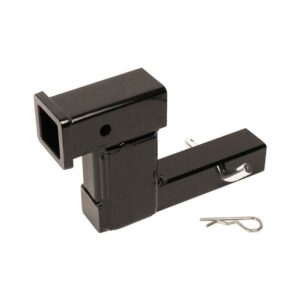
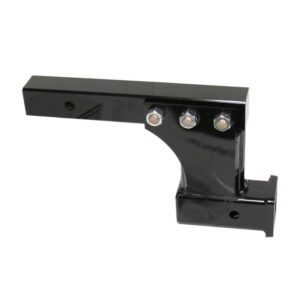
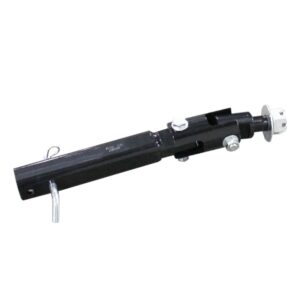
What is an Adjustable Ball Mount?
Definition and Purpose
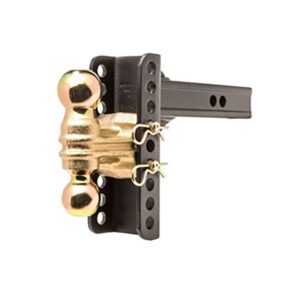
An adjustable ball mount is a crucial component in towing systems, designed to connect a trailer to a tow vehicle. Unlike fixed ball mounts, which offer a static height, adjustable ball mounts allow for vertical adjustments. This adjustability is primarily intended to achieve level towing, ensuring the trailer sits horizontally while connected to the vehicle. This feature is essential for optimal performance and safety, accommodating variations in trailer height and tow vehicle ride characteristics.
Components and Features
An adjustable ball mount comprises several key components that work together to provide its functionality. The main elements include a shank, which inserts into the vehicle’s receiver; the receiver itself, which holds the shank; an adjustment mechanism, often involving a sliding or pivoting design; and the ball platform, where the trailer ball is mounted. These components are typically made of robust materials like steel or aluminum to withstand the stresses of towing. Some models may include additional features, such as multiple ball sizes to accommodate different trailer coupler sizes or a built-in locking mechanism for added security. These features collectively ensure that the ball mount can be adjusted to the appropriate height for level towing. A diagram or visual would further clarify this functionality.
Benefits of Using an Adjustable Ball Mount
Ensuring a Level Tow
Level towing is paramount for safe and efficient towing. When a trailer is level, the weight is distributed evenly across the trailer’s axles, enhancing stability and reducing the risk of sway. It also helps prevent uneven tire wear on both the trailer and the tow vehicle, extending the lifespan of tires. Moreover, level towing improves vehicle handling, allowing for better control while driving. Non-level towing can lead to several issues, including reduced braking performance, increased fuel consumption, and potential damage to the trailer and tow vehicle suspension systems. Therefore, achieving a level tow is not just about aesthetics; it’s a crucial safety consideration. The following benefits are offered:
- Enhanced safety and stability.
- Reduced wear and tear.
- Improved vehicle handling and fuel efficiency.
Versatility and Compatibility
Adjustable ball mounts provide significant versatility, accommodating a wide range of trailers with different heights and types. Whether you’re towing a small utility trailer, a boat, or a larger recreational vehicle, an adjustable ball mount can be adapted to suit your specific needs. This adaptability eliminates the need to purchase multiple ball mounts for different trailers, as the same mount can be used by adjusting the height. This flexibility makes adjustable ball mounts a cost-effective solution for individuals who tow various types of trailers or for those who may switch between different trailers regularly.
Enhanced Control and Performance
By ensuring a level towing position, adjustable ball mounts directly contribute to an enhanced towing experience. Level towing optimizes weight distribution, which, in turn, leads to better control and stability of the tow vehicle. Drivers experience reduced sway, improved braking performance, and enhanced overall handling. This translates to a safer and more comfortable towing journey, reducing driver fatigue and increasing confidence on the road. Furthermore, level towing contributes to better fuel efficiency, as the reduced drag minimizes the strain on the tow vehicle’s engine.
Choosing the Right Adjustable Ball Mount
Receiver Size and Capacity
Choosing the right adjustable ball mount begins with understanding your vehicle’s receiver size and capacity. The receiver is the square opening on the back of your vehicle into which the ball mount’s shank inserts. Common receiver sizes include 1 1/4″, 2″, and 2.5″. It is critical to match the ball mount’s shank size to your vehicle’s receiver to ensure a secure fit and safe towing. Each receiver size has associated weight ratings, including Gross Trailer Weight (GTW) and Tongue Weight (TW), which dictate the maximum weight the receiver can handle. Exceeding these ratings can compromise safety and lead to equipment failure. Please see the following size options and their typical uses:
- 1 1/4″ receiver: Commonly found on smaller vehicles, typically rated for lighter-duty towing.
- 2″ receiver: The most common size, suitable for a wide range of trailers, from small utility trailers to larger recreational vehicles.
- 2.5″ receiver: Designed for heavy-duty towing, often found on trucks and SUVs, and rated for higher GTW and TW capacities.
Weight Ratings (GTW/TW)
Gross Trailer Weight (GTW) and Tongue Weight (TW) are essential factors to consider when selecting an adjustable ball mount. GTW refers to the total weight of the trailer, including its cargo. TW is the downward force exerted by the trailer on the hitch ball. The ball mount must have a GTW and TW rating that meets or exceeds the total weight and tongue weight of the trailer you intend to tow. Failing to select a ball mount with adequate weight ratings can lead to equipment failure, posing a significant safety risk. To determine the correct weight capacity, you should refer to your trailer’s specifications or weigh it fully loaded, including cargo, to accurately calculate the GTW and TW. Always ensure the ball mount’s capacity meets or surpasses these values for safe towing.
Adjustability Range (Drop/Rise)
The adjustability range of an adjustable ball mount, often expressed as drop or rise, refers to the vertical distance the ball platform can be adjusted relative to the vehicle’s receiver. Drop is the distance the ball platform can be lowered below the receiver, while rise is the distance it can be raised above the receiver. To determine the appropriate drop/rise for your towing setup, you must measure the distance from the top of your trailer coupler to the ground and from the top of your vehicle’s receiver to the ground. The difference between these measurements will indicate the required drop or rise. You can then select a ball mount with an adjustability range that allows you to achieve level towing. A diagram would be useful to fully understand this aspect.
Material and Construction
The materials used in the construction of an adjustable ball mount significantly impact its durability and performance. Steel is a common material, known for its strength and resistance to wear, making it suitable for heavy-duty towing applications. However, steel ball mounts are susceptible to rust and corrosion unless treated with a protective coating. Aluminum is another popular choice, offering a lightweight yet strong alternative to steel. Aluminum ball mounts are naturally rust-resistant, reducing the need for frequent maintenance. However, they may not be as robust as steel models and may have lower weight ratings. The best option depends on your specific towing needs and preferences. If you prioritize maximum strength and are willing to perform regular maintenance, a steel ball mount may be suitable. If you want a lightweight, rust-resistant option, an aluminum ball mount may be a better choice. Always consider the weight capacity and overall build quality when making your selection.
Installation and Use
Installation Guide
Installing an adjustable ball mount is a straightforward process that can be completed with basic tools. Before beginning, ensure the vehicle is parked on a level surface and the parking brake is engaged. Insert the ball mount’s shank into the vehicle’s receiver, aligning the pin holes. Insert the pin through the receiver and ball mount shank, and secure it with a clip or locking mechanism. It is important to check the weight ratings and ensure they match your towing needs. When using a trailer ball, ensure it is the appropriate size and torque it to the manufacturer’s specifications. Always double-check all connections before towing. The following steps are essential:
- Insert the ball mount shank into the vehicle’s receiver.
- Align the pin holes and insert the pin through the receiver and shank.
- Secure the pin with a clip or locking mechanism.
Safety tips include always wearing safety glasses and gloves, and never exceeding the vehicle or ball mount weight ratings. Inspect the ball mount regularly for signs of wear or damage. If any issues are observed, address them before towing. Following these steps and safety tips will help ensure a safe and secure towing experience.
Adjusting for Level Towing
Once the ball mount is installed, the next step is adjusting it to achieve a level towing position. With the trailer connected, measure the distance from the ground to the top of the trailer coupler and the distance from the ground to the top of the vehicle’s receiver. If the coupler is higher than the receiver, you will need to adjust the ball mount to a drop position. If the coupler is lower, you will need a rise position. Loosen the adjustment mechanism, typically a bolt or pin, and slide the ball platform up or down until the trailer is level. Once the appropriate height is achieved, re-tighten the adjustment mechanism securely. It is recommended to measure the levelness of the trailer using a level tool. Proper adjustment is crucial for safe and efficient towing; it is important to recheck the levelness once the vehicle is in motion.
Maintenance and Care
Regular maintenance and care are essential to ensure the longevity and safety of your adjustable ball mount. After each use, inspect the ball mount for signs of wear, such as rust, corrosion, or damage. Clean the ball mount regularly with a mild soap and water solution, especially after towing in harsh weather conditions or on salted roads. Lubricate the adjustment mechanism and any moving parts with a suitable grease or lubricant to prevent corrosion and ensure smooth operation. When storing the ball mount, clean and dry it thoroughly, and store it in a dry place to prevent rust. Regularly check the ball mount’s weight ratings and ensure they still meet your towing needs. By following these maintenance tips, you can extend the life of your ball mount and maintain its performance over time.
Comparing Adjustable Ball Mounts
When selecting an adjustable ball mount, comparing different models is critical to ensuring you choose the best option for your needs. Several factors should be considered, including receiver size, GTW/TW capacity, drop/rise range, material, and any notable features. The following table provides a comparison of several adjustable ball mounts to assist in making an informed decision:
| Brand/Model | Receiver Size | GTW/TW Capacity | Drop/Rise Range | Material | Notable Features |
|---|---|---|---|---|---|
| Brand A Model 123 | 2″ | 10,000/1,000 lbs | 4″ Drop / 3″ Rise | Steel | Dual Ball Design |
| Brand B Model 456 | 2.5″ | 15,000/1,500 lbs | 6″ Drop / 5″ Rise | Aluminum | Rust-resistant coating |
| Brand C Model 789 | 2″ | 7,500/750 lbs | 3″ Drop / 3″ Rise | Steel | Easy adjustment mechanism |
| Weight | 14.52 kg |
|---|---|
| Dimensions | 12 × 10 × 4 cm |
Q & A
You Might Also Like



Free Delivery
Free Shipping over $299

secure payment
Credit-Debit & Installments

Easy returns
30 days FREE returns

Online Support
Expert Support & HelpLine


Reviews
There are no reviews yet