








































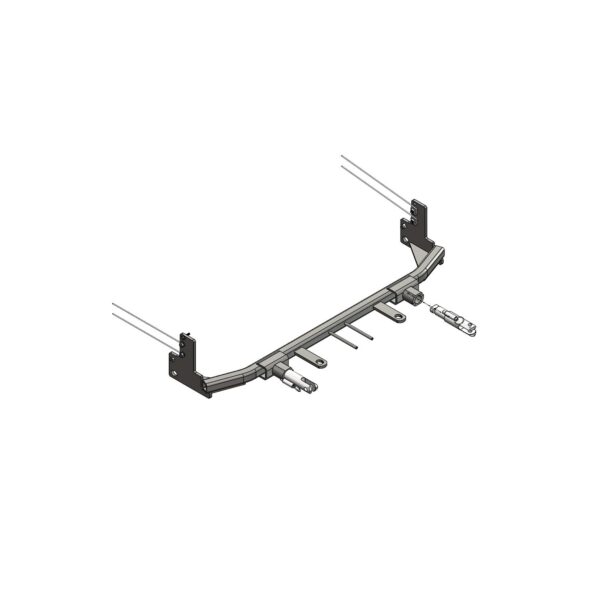
Base Plate
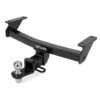
Securely connect your vehicle with a high-quality base plate. Designed for durability and easy installation, ensuring safe and reliable towing for your adventures.
What is a Base Plate?
Purpose and Function
A base plate is a critical component in a vehicle towing setup, serving as the primary connection point between a towed vehicle (such as a car) and the tow bar of a motorhome or other towing vehicle. Its function is to securely attach the towed vehicle to the towing vehicle, allowing for safe and controlled towing. Without a properly installed base plate, safe towing is impossible, as it provides the necessary structural integrity and connection points. According to industry standards, a base plate is designed to handle the stresses of towing, including acceleration, braking, and turning, ensuring the towed vehicle moves in sync with the towing vehicle. The base plate also provides a convenient and secure way to attach safety cables, which are a crucial backup in case the primary connection fails.
- Provides a secure and stable connection between the towed vehicle and the tow bar, ensuring the towed vehicle moves in sync with the towing vehicle.
- Designed to withstand the stresses of towing, including acceleration, braking, and turning.
Base Plate Components and Design
A typical base plate consists of several key components designed to integrate seamlessly with the towed vehicle’s frame. These components generally include mounting brackets, which are custom-designed to fit specific vehicle makes and models. These brackets are securely bolted or welded to the vehicle’s frame, providing a robust and reliable attachment point. Connecting points, such as receiver tubes or tabs, are integrated into the base plate design to allow the tow bar to connect to the vehicle. These points are strategically placed to ensure proper alignment and weight distribution during towing. The design of a base plate emphasizes durability and ease of use, often constructed from high-strength steel to withstand the rigors of towing. Some base plates also feature a powder-coated finish to enhance corrosion resistance and aesthetics. The overall design is focused on providing a secure, safe, and user-friendly towing solution that integrates seamlessly with the vehicle’s existing structure.
Key Considerations for Choosing a Base Plate
Vehicle Compatibility
Selecting the correct base plate is a critical step, and it must be specifically designed to fit your vehicle’s make, model, and year. This ensures proper fitment and compatibility with the vehicle’s frame. Using a base plate that isn’t designed for your vehicle can lead to a number of issues, including compromised structural integrity, difficulty in installation, and potential safety hazards. Base plates are available for a wide range of vehicles, including cars, trucks, and SUVs. When selecting a base plate, always check the manufacturer’s specifications to ensure it is compatible with your vehicle. Different brands and models of base plates are available. Reputable brands, such as Blue Ox, Roadmaster, and Demco, offer a variety of base plates designed to fit different vehicle types. Each brand has unique features, so it’s important to consider factors like ease of installation, durability, and aesthetic design.
- Always verify that the base plate is specifically designed for your vehicle’s make and model.
- Confirm the base plate’s compatibility with the vehicle’s production year to ensure a proper fit.
Material and Durability
The durability of a base plate largely depends on the materials used in its construction. Steel is a common and preferred material for base plates due to its high strength and ability to withstand the stresses of towing. High-strength steel offers excellent resistance to deformation and damage, ensuring the base plate can handle the weight and forces involved in towing. The thickness and grade of the steel also play a crucial role in durability. Thicker steel generally provides greater strength and resistance to wear and tear. To enhance its lifespan and protect against corrosion, many base plates feature a powder-coated finish. Powder coating provides a durable and attractive finish that resists rust, scratches, and other environmental factors. Look for base plates that use high-quality steel and offer a robust protective coating to ensure long-lasting performance. Regular inspection and maintenance can also prolong the life of the base plate. Always inspect the base plate for signs of wear, rust, or damage before each use. If you discover any issues, address them promptly to prevent further deterioration.
- Steel construction provides high strength and durability.
- Powder coating enhances rust resistance and protects against environmental damage.
Installation and Ease of Use
Installation is a critical factor when selecting a base plate, as it directly affects the ease with which you can set up your towing system. Generally, the installation process involves attaching the base plate to the vehicle’s frame. Some base plates are designed for a bolt-on installation, which means they can be installed using common hand tools without the need for welding. These bolt-on base plates are popular due to their ease of installation and the fact that they do not require any modifications to the vehicle’s frame. Other base plates may require welding, which provides a stronger connection but also requires professional installation and may permanently alter the vehicle’s frame. Before starting the installation, carefully review the manufacturer’s instructions. Follow the steps outlined in the instructions precisely to ensure the base plate is installed correctly. Ensure you have the necessary tools, such as wrenches, sockets, and a torque wrench. Use the recommended torque specifications to tighten the bolts securely. The goal is to ensure the base plate is properly aligned and firmly attached to the vehicle’s frame. If you’re not comfortable with the installation process or if welding is required, consider hiring a professional.
Here is a video to instruct you on the installation process:

Safety and Compliance
Safety should always be the top priority when selecting and using a base plate. Always ensure the base plate meets or exceeds all relevant safety standards and certifications. Look for base plates that have been tested and certified by recognized organizations, such as the Society of Automotive Engineers (SAE). These certifications confirm that the base plate has been subjected to rigorous testing to ensure it meets industry safety standards. Regularly inspect the base plate for any signs of wear, damage, or corrosion. Look for loose bolts, cracks, or any other issues that could compromise the structural integrity of the base plate. Following the recommended torque specifications is crucial for the safety of the base plate. Tighten the bolts to the manufacturer’s recommended torque values using a torque wrench. Regular inspection of the entire towing setup, including the base plate, tow bar, and safety cables, before each trip is recommended. Ensure all components are securely connected and in good working order. Check all connections and components before each towing trip.
Base Plate Installation Guide
Preparation
Before beginning the installation of your base plate, gather all the necessary tools and supplies. Read through the manufacturer’s instructions thoroughly to understand the steps involved. Clear the area around the vehicle to ensure you have enough space to work comfortably. Take the time to properly prepare your vehicle. This may involve removing the front bumper, undercarriage panels, or other components. Carefully follow the manufacturer’s recommendations for your specific vehicle. Ensure the vehicle is parked on a level surface and that the parking brake is engaged. It is recommended to wear appropriate safety gear, including safety glasses and gloves, during the installation process.
- A set of wrenches and sockets, including metric sizes, to fit the bolts.
- A torque wrench for tightening bolts to the manufacturer’s specified torque.
Mounting the Base Plate
With the vehicle properly prepared, you can begin mounting the base plate. Carefully align the base plate brackets with the vehicle’s frame. The specific steps for this process will vary depending on the make and model of your vehicle and the type of base plate you are installing. Consult the manufacturer’s instructions to ensure the correct placement. Securely attach the base plate brackets to the vehicle’s frame. This will typically involve using bolts provided with the base plate kit. Torque the bolts to the manufacturer’s specified torque values using a torque wrench. This step is critical for ensuring the base plate is securely attached and will not come loose during towing. Once the base plate is in place, reassemble any components you removed during the preparation phase, such as the front bumper or undercarriage panels. Double-check all connections and make sure everything is properly aligned and secured before proceeding to the next step.
- Align the base plate brackets with the vehicle’s frame, following the manufacturer’s instructions.
- Use bolts to securely attach the base plate to the vehicle’s frame, and torque the bolts to the specified values.
Connecting to the Tow Bar
Once the base plate is securely installed on the vehicle, you can connect it to the tow bar. Attach the tow bar to the base plate by aligning the tow bar’s connection points with the base plate’s receiver tubes or connecting tabs. Securely connect the tow bar to the base plate, following the manufacturer’s instructions. Depending on the design of the tow bar and base plate, this may involve using pins, locking mechanisms, or other fasteners. Ensure that the tow bar is properly aligned and securely locked into place. Test the connection by gently tugging on the tow bar to ensure it is firmly attached. At this time, connect the safety cables. The safety cables should be crossed and attached to the towing vehicle and the towed vehicle. This is an important step.
Post-Installation Checks
After the base plate and tow bar have been installed, perform several post-installation checks to ensure everything is working correctly and safely. Inspect all connections, including the base plate brackets, tow bar connections, and safety cable attachments, to ensure they are secure and properly connected. Perform a test drive, towing the vehicle at low speeds and in a safe location. During the test drive, monitor the vehicle’s handling, braking, and steering. Ensure the towed vehicle follows the towing vehicle smoothly and that there are no issues. After the test drive, re-inspect all connections. Make sure everything is still secure and that there are no signs of wear or damage. This will help you make sure all components are functioning properly and that the installation was successful. If you discover any issues during these checks, address them immediately. If you’re not comfortable with any aspect of the installation or post-installation checks, consult a professional.
Base Plate Maintenance and Care
Cleaning and Inspection
Regular cleaning and inspection of your base plate are crucial for maintaining its performance and longevity. The cleaning frequency depends on how frequently you use your towing system and the conditions you drive in. However, it is recommended to clean the base plate after each use or at least several times per year. When cleaning the base plate, use a mild soap and water solution. Avoid using harsh chemicals or abrasive cleaners that could damage the finish or compromise the structural integrity of the base plate. Rinse the base plate thoroughly with clean water to remove any soap residue. Inspection is also a crucial aspect of maintaining your base plate. It is recommended to inspect your base plate before each trip and regularly throughout the year. Inspect the base plate for any signs of damage, such as cracks, dents, or excessive wear. Check all bolts, nuts, and fasteners to ensure they are tight and secure. Look for signs of corrosion or rust, especially in areas where the finish may have been damaged.
- Clean the base plate after each use or at least several times per year, using a mild soap and water solution.
- Inspect the base plate for any signs of damage before each trip and regularly throughout the year.
Long-Term Care and Storage
If you’re not using your base plate for an extended period, proper storage can help preserve its condition. Before storing the base plate, clean and inspect it thoroughly. Make sure it is free of dirt, debris, and any signs of damage. If the base plate is stored outdoors, consider covering it with a protective cover. This will help protect it from the elements, such as rain, snow, and UV rays. If the base plate is stored indoors, make sure it is in a dry and well-ventilated area. This will help prevent corrosion and rust. Regularly inspect the base plate even during storage. Check for any signs of damage or deterioration, even if the base plate is not in use. Proper maintenance and care of your base plate can extend its lifespan and ensure it remains in good working order.
Base Plate Models, Brands and Buying Guide
Brand A
Brand A is a well-established name in the base plate industry, offering a wide range of base plates designed to fit various vehicle makes and models. The primary advantages of Brand A base plates are their high quality construction, durability, and ease of installation. These base plates are typically made from high-strength steel and feature a powder-coated finish for enhanced corrosion resistance. One of the notable drawbacks is that Brand A base plates can sometimes be more expensive compared to other brands. However, many users feel the higher price is justified by the quality and performance of the product.
Brand B
Brand B is known for providing base plates with innovative designs. One key advantage of Brand B is its commitment to user convenience, including features designed to make installation easier. These base plates often feature a more streamlined design, which can enhance the vehicle’s appearance. A potential drawback of Brand B base plates is that their availability may be more limited compared to some other brands. It’s essential to check the specific model compatibility for your vehicle.
Brand C
Brand C offers a more budget-friendly option. The main advantage is the lower price point, making it an attractive option for budget-conscious consumers. Brand C base plates still provide reliable performance, but the materials and construction may not be as robust as higher-end brands. As a result, the lifespan of Brand C base plates could be shorter compared to more premium brands. However, Brand C offers a solid option for those who are looking for an affordable base plate solution. This brand provides a balance between affordability and functionality.
| Weight | 16.33 kg |
|---|---|
| Dimensions | 45 × 16 × 10 cm |
Q & A
You Might Also Like

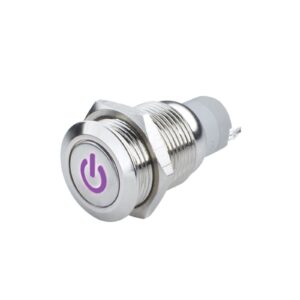
2009-007 - ORACLE Pre-Wired Power Symbol On/Off Flush Mount LED Switch
$21.21- ✓ Warranty
- ✓ 30-Day Returns
- ✓ Secure Checkout
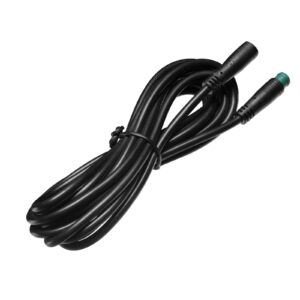
ORACLE Lighting 10ft ColorSHIFT RGB+W Rock Light Extension Cable
$8.46- ✓ Warranty
- ✓ 30-Day Returns
- ✓ Secure Checkout
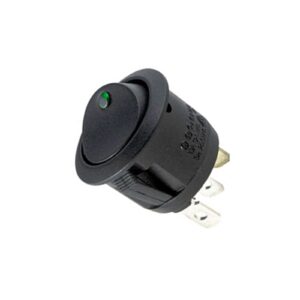
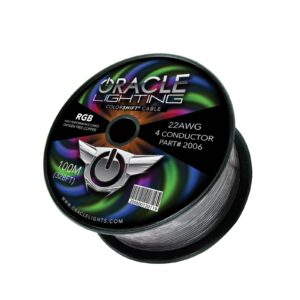
2006-504 - 22AWG 4 Conductor RGB Installation Wire 100M (328ft) Spool
$127.46- ✓ Warranty
- ✓ 30-Day Returns
- ✓ Secure Checkout
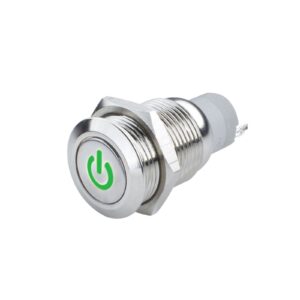
2009-004 - ORACLE Pre-Wired Power Symbol On/Off Flush Mount LED Switch
$21.21- ✓ Warranty
- ✓ 30-Day Returns
- ✓ Secure Checkout


Free Delivery
Free Shipping over $299

secure payment
Credit-Debit & Installments

Easy returns
30 days FREE returns

Online Support
Expert Support & HelpLine



Reviews
There are no reviews yet