








































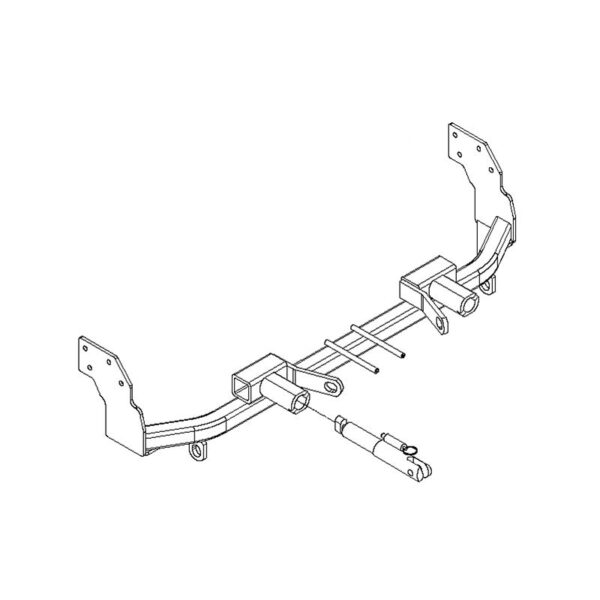
Base Plate
Find the right base plate for flat towing. This guide covers safety, installation, and compatibility to ensure a secure connection to your towing vehicle.
Available on backorder
What is a Tow Bar Base Plate?
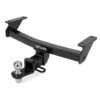
A tow bar base plate is a crucial component in flat towing, serving as the primary connection point between your vehicle and a tow bar. Unlike a standard trailer hitch, which connects to a ball mount for towing trailers, a base plate is specifically designed to attach directly to the frame of your vehicle. This direct connection is key, ensuring a secure and stable towing setup.
Definition and Purpose
The purpose of a base plate is to provide a robust and reliable means of attaching a tow bar to the towed vehicle. The base plate is bolted to the vehicle’s frame, often utilizing existing holes and requiring no modifications, or minimal ones, to the vehicle’s structure. Once installed, the base plate’s receiver points allow a tow bar to be quickly and easily connected or disconnected. This system is designed for flat towing, where all four wheels of the towed vehicle remain on the ground, unlike dolly or trailer towing.
Base Plate vs. Other Towing Components
Understanding the differences between a base plate and other towing components is essential for safe and effective towing. Here’s a comparison:
- Base Plate: The primary mounting point on the towed vehicle, specifically designed for flat towing. It connects directly to the vehicle’s frame.
- Tow Bar: Connects the base plate to the RV or tow vehicle, allowing the towed vehicle to follow the towing vehicle.
- Receiver Hitch: Typically mounted to the frame of a vehicle and used for a variety of towing applications, including trailers and bike racks. Not ideal for flat towing.
- Trailer: A separate vehicle that carries the load, with its own wheels, axles, and braking system.
Key Features and Benefits of a Base Plate
Enhanced Safety and Security
Base plates are engineered to significantly enhance safety and security during flat towing. By directly connecting to the vehicle’s frame, base plates distribute the towing forces evenly, reducing stress on the vehicle’s chassis. This robust connection minimizes the risk of separation and provides a stable towing experience. Additionally, many base plates feature secure attachment mechanisms, such as locking pins or hidden components, to deter theft and ensure the tow bar remains securely fastened during transit. Always ensure your base plate is properly installed and regularly inspected to maintain the highest level of safety.
- Sturdy mounting to the vehicle’s frame for enhanced safety.
- Features like removable tabs or hidden components for security.
Ease of Installation and Use
Most base plates are designed for ease of installation, often involving a bolt-on process that can be completed with basic tools and minimal modifications. The design of the base plate allows for a user-friendly experience, with quick and straightforward connection and disconnection of the tow bar. The process typically involves aligning the base plate with the vehicle’s frame, securing it with bolts, and then connecting the tow bar to the base plate’s receiver points. The straightforward design makes the setup process less cumbersome than other towing systems.
Vehicle Compatibility and Protection
Base plates are custom-designed to fit specific vehicle makes and models, ensuring optimal performance and safety. This precise fit prevents undue stress on the vehicle’s frame and components. When properly installed, the base plate integrates seamlessly with the vehicle’s structure, often providing additional protection to the front-end components by distributing the towing forces more evenly. Selecting a base plate designed specifically for your vehicle is critical to maintain its structural integrity and warranty. Ensure your chosen base plate matches the make, model, and year of your vehicle to ensure compatibility.
- Custom-designed for specific vehicle makes and models.
- Frame-mounted for enhanced strength and durability.
How to Choose the Right Base Plate
Vehicle Compatibility Guide
Choosing the right base plate starts with ensuring compatibility with your vehicle. It’s imperative to select a base plate specifically designed for your vehicle’s make, model, and year. Manufacturers offer detailed compatibility charts and guides. When selecting a base plate, carefully examine these details to confirm that the base plate matches your vehicle’s specifications. Consider the following tips:
- Consult Manufacturer’s Website: Use the manufacturer’s website to search for base plates that fit your vehicle by entering your vehicle’s make, model, and year.
- Review Compatibility Charts: Check the compatibility charts, which often list specific trim levels, optional equipment, and other factors.
- Read User Reviews: See what other vehicle owners say about their base plate installations.
Material and Build Quality
The materials used in a base plate significantly impact its durability and longevity. Base plates are commonly constructed from high-strength steel, chosen for its robustness and ability to withstand the rigors of towing. Steel offers excellent resistance to wear and tear, making it ideal for withstanding the forces exerted during towing. Powder-coated finishes are often applied to the steel to provide additional protection against corrosion, rust, and environmental elements. Choosing a base plate with a durable powder-coated finish can extend its lifespan and maintain its appearance over time. Be sure to look for base plates made from high-quality steel with corrosion-resistant coatings to ensure a lasting investment.
Installation and Hardware
The ease of installation is an important factor when selecting a base plate. Most base plates feature a bolt-on design, which simplifies the installation process and reduces the need for welding or extensive modifications to your vehicle. Carefully review the included hardware to ensure it is complete and of high quality. Verify whether professional installation is recommended, as some base plates may require specialized tools or expertise. Make sure the base plate kit includes all necessary bolts, brackets, and other components required for installation. By choosing a base plate with a straightforward installation process, you can save time and potential installation costs.
- Bolt-on design, easy installation process.
- List all hardware and components.
Base Plate Installation and Maintenance
Installation Process Overview
Installing a base plate generally involves these steps. Before starting, gather the necessary tools and equipment, including wrenches, sockets, and a torque wrench. Always consult the manufacturer’s instructions for detailed guidance specific to your base plate and vehicle. When installing a base plate, it is crucial to prioritize safety. Wear appropriate safety gear, such as eye protection and gloves. Consider having a second person assist with the installation to ensure proper alignment and handling of components.
Here is a general overview of the process:
- Prepare the Vehicle: Park on a level surface, engage the parking brake, and disconnect the vehicle’s battery.
- Locate Mounting Points: Identify the mounting points on your vehicle’s frame, usually near the front.
- Attach Base Plate: Align the base plate with the mounting points and secure it with the provided bolts and hardware.
- Torque Bolts: Tighten the bolts to the manufacturer’s specified torque settings using a torque wrench.
- Connect Wiring: If your base plate includes wiring connections for lights and other systems, carefully connect them according to the wiring diagram.
- Test: After installation, test the base plate by attaching the tow bar and ensuring it is securely connected.
Maintenance Tips and Best Practices
Proper maintenance extends the life and ensures the safe operation of your base plate. Regular maintenance can prevent unexpected issues. Here are some key maintenance tips:
- Cleaning and Inspection: Regularly clean the base plate to remove dirt, debris, and road salt. Inspect the base plate for signs of wear, damage, or corrosion.
- Hardware Check: Periodically check the bolts and hardware to ensure they are securely tightened. Re-torque the bolts as recommended by the manufacturer.
- Lubrication: Apply a light lubricant to moving parts, such as the receiver points, to prevent corrosion and ensure smooth operation.
Related Topics and Products
- Tow Bars – Connect your vehicle’s base plate to the towing vehicle.
- Brake Controllers – Ensure safe towing and braking with a brake controller.
Category Reference
Explore our full selection of Towing Accessories for all your towing needs.
| Weight | 21.32 kg |
|---|---|
| Dimensions | 43 × 15 × 11 cm |
Q & A
You Might Also Like
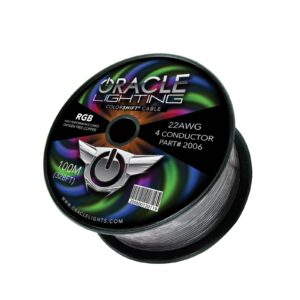
2006-504 - 22AWG 4 Conductor RGB Installation Wire 100M (328ft) Spool
$127.46- ✓ Warranty
- ✓ 30-Day Returns
- ✓ Secure Checkout
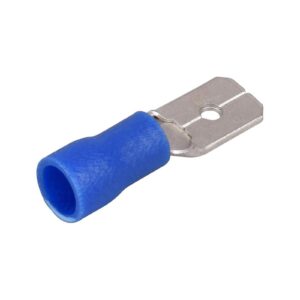
2009-504 - Male Spade Crimp Connector 18-22AWG (x100)
$8.46- ✓ Warranty
- ✓ 30-Day Returns
- ✓ Secure Checkout
2006-001 - 22AWG 4 Conductor RGB Installation Wire (Sold by the Foot)
$0.81- ✓ Warranty
- ✓ 30-Day Returns
- ✓ Secure Checkout
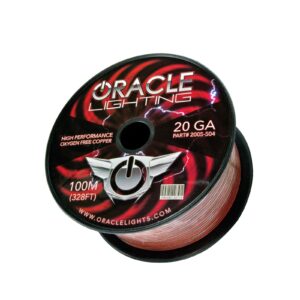
2005-504 - 20AWG 2 Conductor LED Installation Wire 100M (328ft) Spool
$67.96- ✓ Warranty
- ✓ 30-Day Returns
- ✓ Secure Checkout



Free Delivery
Free Shipping over $299

secure payment
Credit-Debit & Installments

Easy returns
30 days FREE returns

Online Support
Expert Support & HelpLine



Reviews
There are no reviews yet