










































Base Plate
Discover the best base plate for flat towing. This guide covers key features, safety, and choosing the right base plate for your vehicle. Shop now!


What is a Base Plate and Why Do You Need One?
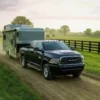
A base plate is a crucial component in flat towing, the practice of towing a vehicle behind an RV or another vehicle with all four wheels on the ground. Its primary function is to provide a robust and secure connection point between the towed vehicle and a tow bar. This setup allows for a stable and controlled towing experience, making it a popular choice for RV enthusiasts and others who need to transport vehicles. Flat towing offers several advantages over other methods, like using a trailer. It allows for easier maneuverability, as the towed vehicle follows the towing vehicle’s path more closely. The ability to tow all four wheels also reduces wear and tear on the towed vehicle’s tires and drivetrain compared to methods like dolly towing, which only lifts two wheels.
The Basics of Base Plates
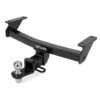
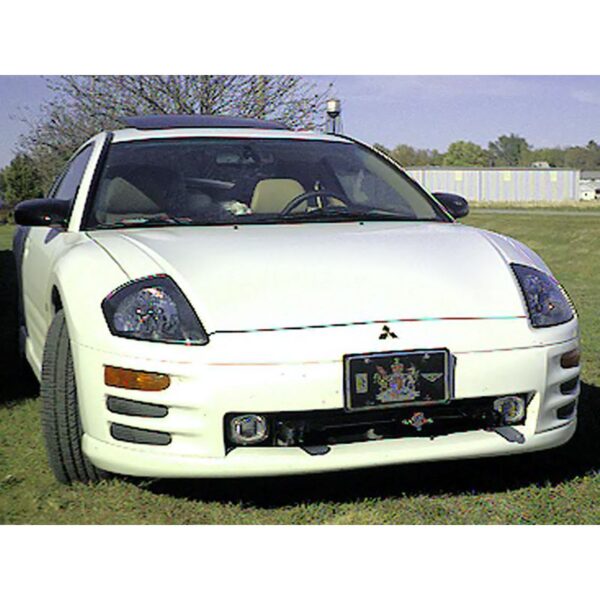
A base plate is essentially a custom-designed bracket system that attaches directly to the frame of your vehicle. It is engineered to withstand significant forces, ensuring that the towed vehicle remains securely connected to the tow bar during transit. The design typically incorporates two main attachment points, one on each side of the vehicle’s front end, to distribute the towing load evenly. These points connect to the tow bar, which in turn connects to the towing vehicle.
Why Flat Tow?
Flat towing, also known as four-down towing, offers several advantages compared to other towing methods. Firstly, it allows for improved maneuverability, making it easier to navigate tight spaces. The towed vehicle follows the towing vehicle’s path more closely, reducing the risk of jackknifing. Secondly, flat towing reduces wear and tear on the towed vehicle’s tires and drivetrain because all four wheels are rolling. Finally, flat towing eliminates the need for a trailer, saving space and simplifying the towing process. These benefits make flat towing a practical and efficient solution for RVers and other travelers.
Key Features and Benefits of a High-Quality Base Plate
Investing in a high-quality base plate ensures safety, durability, and ease of use. Key features contribute to a reliable towing experience, making it a worthwhile investment for anyone planning to flat tow their vehicle. These include the materials used, the design, and the manufacturing process.
Durability and Construction
The longevity and performance of a base plate are largely determined by the materials and construction methods. High-quality base plates are typically constructed from durable materials like heavy-duty steel, known for its strength and resistance to deformation under stress. To further enhance durability, steel base plates often feature a powder-coated finish. This coating provides a protective layer against corrosion, rust, and the elements, ensuring the base plate remains in optimal condition even when exposed to harsh weather conditions. The thickness of the steel used in construction also contributes to the base plate’s robustness. Precision welding is another critical aspect of a base plate’s construction. Expert welding ensures strong, seamless joints that can withstand the stresses of towing. The dimensions of the base plate, including its thickness, width, and the placement of attachment points, are precisely engineered to match the vehicle’s frame, ensuring a secure and proper fit.
Easy Installation
A well-designed base plate prioritizes ease of installation, minimizing the time and effort required to set up the towing system. Many base plates come with comprehensive installation kits, including all necessary hardware such as bolts, nuts, and washers. Detailed, step-by-step instructions and diagrams guide the user through the process, making installation straightforward. In many cases, base plates are designed to bolt directly onto the vehicle’s existing frame without the need for extensive modifications or welding. This bolt-on design not only simplifies installation but also preserves the vehicle’s structural integrity. Some manufacturers offer online resources, such as video tutorials and FAQs, to provide additional support during the installation process.
Safety Features and Design
The design of a base plate incorporates various safety features to ensure a secure and reliable towing experience. Key safety features include robust attachment points that securely connect the base plate to the vehicle’s frame. These attachment points are engineered to distribute towing forces evenly, minimizing stress on the vehicle and the base plate itself. Integrated safety cables are another crucial safety element. These cables provide an extra layer of security, connecting the towed vehicle to the towing vehicle and preventing separation in case the primary connection fails. Base plates are vehicle-specific, meaning they are custom-designed to fit specific makes, models, and years of vehicles. This ensures a precise fit and optimal performance. This design ensures that the base plate integrates seamlessly with the vehicle’s structure, maximizing safety and performance. The materials used are selected for their ability to withstand the stresses of towing while remaining resistant to corrosion and wear.
How to Choose the Right Base Plate
Selecting the right base plate involves careful consideration of several factors to ensure compatibility, safety, and optimal performance. This guide will help you navigate the selection process to find the best base plate for your vehicle and towing needs.
Vehicle Compatibility
The first step is to ensure the base plate is compatible with your specific vehicle. Base plates are not universal; they are designed to fit specific makes, models, and years of vehicles. Check your vehicle’s make, model, and year. Visit the manufacturer’s website or consult their product catalog to verify compatibility. Using a base plate that isn’t designed for your specific vehicle can lead to improper fit, reduced safety, and potential damage. Verify this information by looking at your vehicle’s registration, owner’s manual, or the vehicle identification number (VIN). This information is vital for selecting the correct base plate, ensuring a secure and reliable towing setup.
Weight Capacity and Towing Needs
Assess the towing capacity of your vehicle and the weight of the vehicle you intend to tow. Ensure the base plate is rated to handle the combined weight of both vehicles. Exceeding the base plate’s weight capacity can compromise its structural integrity, leading to potential safety risks. Determine the Gross Vehicle Weight Rating (GVWR) of the vehicle you plan to tow. Compare the GVWR to the base plate’s maximum towing capacity to ensure it can handle the load. Consider your future towing needs. If you anticipate towing heavier vehicles or equipment in the future, opt for a base plate with a higher weight capacity to accommodate those needs. Match the base plate’s capacity to the vehicle’s specifications and your towing requirements. Choosing a base plate with an appropriate weight capacity ensures a safe and reliable towing experience.
Brand Reputation and Reviews
Researching different brands and models is crucial to making an informed decision. Start by researching reputable brands known for producing high-quality base plates. Look for brands with a proven track record of reliability, safety, and customer satisfaction. Check customer reviews and ratings to gauge other users’ experiences with the base plate. Reviews often provide valuable insights into the product’s durability, ease of installation, and overall performance. Consider brands with positive reviews, as they often reflect a commitment to quality and customer service. Compare different models from various brands. Pay attention to the materials used, construction quality, safety features, and ease of installation. Compare warranties offered by different manufacturers. A longer warranty period can indicate a manufacturer’s confidence in their product. Research and compare different brands and models to make an informed decision.
Installation and Maintenance Guide
Proper installation and regular maintenance are essential for ensuring the base plate’s optimal performance, safety, and longevity. This guide provides a step-by-step installation overview and maintenance tips to help you keep your base plate in excellent condition.
Step-by-Step Installation
Consult the manufacturer’s manual for detailed instructions specific to your base plate model and vehicle. Before you begin, gather all necessary tools and equipment, including a wrench set, socket set, torque wrench, and any other tools recommended by the manufacturer. Follow the manufacturer’s instructions carefully, paying attention to each step. Make sure all bolts are tightened to the manufacturer’s specified torque specifications. Once the base plate is installed, double-check all connections to ensure they are secure. Consult a professional if you are unsure about any step of the installation process or if you lack the necessary tools or experience.
Maintenance Tips
Regular inspection and maintenance are critical for keeping your base plate in top condition. Regularly inspect the base plate for signs of wear and tear, such as cracks, rust, or loose bolts. Inspect the attachment points for any damage or corrosion. Keep the base plate clean and free from dirt, debris, and road salt, as these elements can accelerate corrosion. Clean the base plate with mild soap and water. Apply rust-preventative products to protect against corrosion. Lubricate any moving parts, such as the tow bar connection points, to ensure smooth operation. Following these maintenance tips will extend the life of your base plate and ensure safe and reliable towing.
Safety Tips for Flat Towing
Flat towing, when done correctly, is a safe and convenient way to transport a vehicle. Following these safety tips will help ensure a secure and worry-free towing experience.
Pre-Towing Checks
Before each trip, perform a thorough pre-towing inspection. Ensure the base plate and tow bar are properly connected and securely locked. Verify that all lights on the towed vehicle, including brake lights, turn signals, and running lights, are functioning correctly and are visible. Check the towed vehicle’s tires for proper inflation and condition. Inspect the towed vehicle’s braking system. Ensure the braking system is functioning properly. Confirm that all connections are secure. Verify that the safety cables are correctly attached between the towing and towed vehicles. Regularly performing these checks will help prevent potential issues during transit.
Driving Practices
Adopt safe driving habits when flat towing. Maintain a safe speed, especially in adverse weather conditions. Increase your following distance to provide more time to react. Be aware of the increased length and weight of the combined vehicles. This will affect braking distances and handling. Avoid sudden acceleration or braking. Check your mirrors frequently to monitor the towed vehicle’s behavior. Make gradual turns to avoid putting excessive stress on the tow bar and base plate. Be prepared for potential sway, especially in windy conditions. Be mindful of the road conditions. Adjust your driving accordingly.
Legal and Regulatory Considerations
Before you begin flat towing, familiarize yourself with all applicable laws and regulations. Research the specific requirements for flat towing in your local area. Understand any specific equipment requirements, such as safety chains, supplemental braking systems, or specific lighting configurations. Ensure your vehicle is properly licensed and insured for towing. Comply with all speed limits and any other restrictions that may apply. Failure to comply with these regulations could result in fines or other penalties. Review the specific regulations to ensure compliance with the law.
Related Products and Categories
Explore related topics:
- Tow Bars – Connects your towed vehicle to your RV for flat towing.
- Supplemental Braking Systems – Ensures safe stopping for your towed vehicle.
Explore our categories:
Find more towing solutions in our Towing Accessories category.
| Weight | 10.89 kg |
|---|---|
| Dimensions | 32 × 14 × 7.75 cm |
Q & A
You Might Also Like
2006-001 - 22AWG 4 Conductor RGB Installation Wire (Sold by the Foot)
$0.81- ✓ Warranty
- ✓ 30-Day Returns
- ✓ Secure Checkout
1530-001 - Chevrolet Silverado 2014-2015 ORACLE LED Fog Halo Kit
$106.21- ✓ Warranty
- ✓ 30-Day Returns
- ✓ Secure Checkout
2009-007 - ORACLE Pre-Wired Power Symbol On/Off Flush Mount LED Switch
$21.21- ✓ Warranty
- ✓ 30-Day Returns
- ✓ Secure Checkout
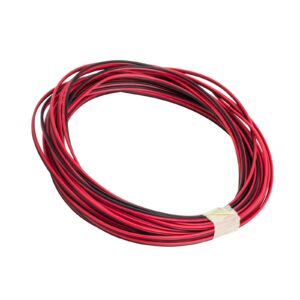
2005-001 - 20AWG 2 Conductor LED Installation Wire (Sold by the Foot)
$0.43- ✓ Warranty
- ✓ 30-Day Returns
- ✓ Secure Checkout



Free Delivery
Free Shipping over $299

secure payment
Credit-Debit & Installments

Easy returns
30 days FREE returns

Online Support
Expert Support & HelpLine



Reviews
There are no reviews yet