





































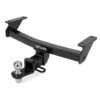

Base Plate
Securely connect your vehicle for towing with a high-quality base plate. Designed for durability, easy installation, and reliable performance. Get yours today!
What is a Base Plate and Why Do You Need One?
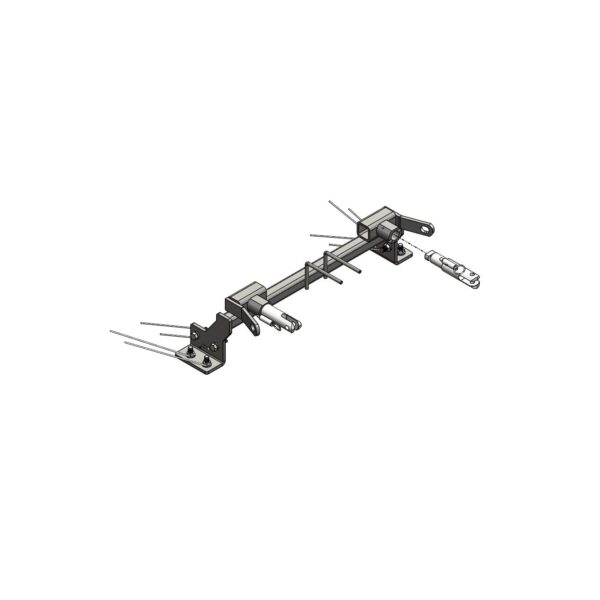
A base plate is a crucial component in a flat towing setup, serving as the primary connection point between the towed vehicle and the tow bar. Its function is to securely attach the tow bar to the vehicle, enabling safe and efficient towing. Choosing a base plate over other towing methods, like a trailer, often provides a more streamlined towing experience. This approach preserves the vehicle’s maneuverability, making it easier to navigate tight spaces and manage the overall towing process. Understanding the purpose and benefits of a base plate is the first step in ensuring a secure and reliable towing experience.
The Core Function of a Base Plate
The core function of a base plate is to provide a robust and reliable connection point for the tow bar to the towed vehicle. It is specifically engineered to attach to the chassis of the vehicle, ensuring a secure fit that can withstand the stresses of towing. This connection transfers the pulling force from the tow vehicle to the towed vehicle. Base plates are designed to meet industry standards, guaranteeing that they are capable of handling the weight and forces associated with towing. They are usually made from high-strength materials such as steel, which are resistant to wear and tear, ensuring longevity and reliability.
Why Choose a Base Plate for Towing
- Safety Benefits of Using a Base Plate for Towing: Base plates are designed to ensure a secure and stable connection between the towed vehicle and the tow bar. They are engineered to withstand the forces involved in towing, offering enhanced safety by minimizing the risk of detachment during transit. When compared to other methods like towing with a dolly, a base plate offers a more direct and stable connection, reducing the chance of accidents and ensuring a safer towing experience.
- Highlight the ease of use: Quick and easy to connect. Base plates are designed for ease of use, allowing quick and simple attachment and detachment of the tow bar. This streamlined process simplifies the setup, saving time and effort compared to more complex towing solutions. The ease of use also allows for frequent use, making the towing process less of a hassle.
- The convenience and benefits over other towing methods. Compared to methods such as using a trailer, a base plate provides several advantages. It simplifies the towing setup, reducing the need for extra storage and maneuvering space. Base plates offer a more integrated and streamlined appearance, reducing the vehicle’s overall length. Flat towing is easier, and base plates contribute to this by improving the overall driving experience.
Key Features to Consider Before Buying a Base Plate
When selecting a base plate, consider these features to ensure it meets your towing needs and maintains vehicle safety.
Material and Durability
Base plates are typically constructed from high-strength steel or other durable materials, ensuring long-term reliability and safety. Steel is a popular choice due to its excellent strength-to-weight ratio and resistance to wear and tear. The build quality of the base plate is critical, as it is subject to significant stress during towing. High-quality materials and construction methods minimize the risk of failure and ensure that the base plate can withstand the rigors of regular use. Rust resistance is another important factor, as exposure to the elements can cause corrosion. Steel is often coated with a protective finish to prevent rust. This helps preserve the base plate’s structural integrity and extends its lifespan.
- Importance of high-quality material: The material used in the base plate significantly impacts its durability, strength, and longevity. High-quality materials, such as reinforced steel, are essential for ensuring the base plate can withstand the stresses of towing.
- Powder-Coated Finish: A powder-coated finish provides enhanced protection against corrosion, rust, and other environmental factors. This coating helps maintain the base plate’s appearance and structural integrity, extending its lifespan and ensuring it remains functional over time.
Vehicle Compatibility and Fit
It’s important to verify that the base plate is specifically designed to fit the make, model, and year of your vehicle. Using a vehicle-specific design ensures that the base plate integrates seamlessly with your car’s chassis, providing a secure and reliable connection. This custom fit is essential for optimal performance and safety. The installation process may vary depending on the vehicle and the base plate model. Ensure that all necessary hardware and clear instructions are provided with the base plate kit. Before making a purchase, confirm compatibility by checking the manufacturer’s specifications and reviews to avoid installation issues.
- Vehicle-Specific Design: The need of a specific fit. Base plates are designed to fit specific vehicle makes, models, and years, ensuring a secure and proper fit. Using a model designed specifically for your vehicle is essential for safety and proper function, as it ensures that the base plate integrates seamlessly with your car’s chassis.
- Easy Installation: Look for base plates that offer straightforward installation, with clear instructions and minimal modifications required. This simplifies the setup process and allows you to quickly prepare your vehicle for towing.
Installation Process and Hardware
The installation process for a base plate typically involves attaching the plate to the vehicle’s frame or chassis using bolts and other hardware. The installation location varies based on the vehicle’s design and the base plate model. The process typically involves the use of tools such as wrenches, sockets, and possibly a drill, and the use of detailed instructions provided by the manufacturer. Following the instructions is essential to ensure the base plate is correctly installed and securely attached. Make sure all bolts are tightened to the manufacturer’s specifications to prevent loosening during towing. Regular inspections of the base plate and hardware are necessary to ensure everything is in good working order.
- Professional Installation vs. DIY: Depending on your mechanical skills, you can either install the base plate yourself or hire a professional. If you lack experience, professional installation is recommended to ensure the base plate is correctly installed and meets safety standards.
- Necessary hardware and Tools required: Typically, the necessary hardware (bolts, brackets) and tools (wrenches, sockets) are included with the base plate kit. Make sure you have all the required tools on hand before starting the installation.
How to Choose the Right Base Plate for Your Towing Needs
Selecting the right base plate involves assessing several factors to ensure a safe and efficient towing experience.
Determine Your Towing Needs
Knowing the weight of the vehicle you plan to tow is essential. The base plate must be rated to handle the vehicle’s weight. Exceeding the base plate’s capacity can lead to failure. Determine the maximum weight your vehicle can tow safely. The tow rating is usually provided by the vehicle manufacturer. Also, consider the frequency and distance of your towing needs. This will help you determine the type and durability level of the base plate.
- What vehicle will be towed: Consider the make, model, and year of the vehicle to be towed. Make sure that the base plate is designed to fit the vehicle to ensure a proper fit and easy installation.
- The tow capacity and rating: The base plate must have a tow rating that meets or exceeds the weight of the vehicle being towed. Check the manufacturer’s specifications and ensure the base plate is compatible with your vehicle’s towing capacity.
Researching Brands and Models
Read reviews from other users to get insights into the quality and reliability of different base plate brands and models. Check independent reviews and forums to evaluate the user experience and any potential issues. Look for well-established brands with a proven track record in manufacturing towing equipment. Check the warranty terms offered by different brands. A good warranty indicates the manufacturer’s confidence in their product. Also, make sure that the customer service is responsive and helpful in case you need any support.
- Brand reputation and reviews: Choose brands known for quality and reliability. Read reviews from other users to assess the base plate’s performance and durability.
- Warranty and customer service: Check the manufacturer’s warranty and customer service policies. A good warranty and responsive customer support can give you peace of mind and support if any issues arise.
Base Plate Maintenance and Care
Regular maintenance and care are essential for keeping your base plate in optimal condition and ensuring it functions safely.
Regular Inspections and Maintenance
Inspect the base plate regularly, ideally before each towing trip and at least every few months. Check for signs of wear and tear, such as cracks, bends, or rust. Inspect the hardware, including bolts and brackets, for looseness or corrosion. Make sure all connections are secure and tight. Cleaning the base plate regularly helps prevent rust and corrosion. Use a mild soap and water solution to remove dirt, grime, and road salt. Also, apply a protective coating to the base plate. Reapply as needed, especially in areas with harsh weather conditions. According to industry standards, regular maintenance and inspection are vital for safe and reliable towing.
- Inspection schedule: Follow a regular inspection schedule. Check the base plate before each towing trip and every few months to identify potential problems.
- Rust Prevention: Apply a protective coating to the base plate to prevent rust and corrosion. Check the base plate periodically and reapply the coating as necessary to maintain its integrity.
Troubleshooting Common Issues
If you encounter issues with your base plate, it’s essential to identify the problem and take appropriate action. Look for signs of damage, such as cracks or bends in the base plate or hardware. Check for loose connections and ensure all bolts are tightened to the manufacturer’s specifications. Loose connections can lead to instability and increased wear on the components. If the base plate becomes damaged or worn, replace any damaged parts as soon as possible. If you are unsure about any aspect of maintenance or troubleshooting, seek professional assistance from a qualified mechanic or towing specialist.
- Common problems and how to address: Identify common problems such as loose connections, rust, or damage. Inspect the components and make necessary repairs or replacements.
- Warranty Information: Check the warranty for any defects and contact the manufacturer or supplier for assistance if needed. Make sure to adhere to the warranty terms and conditions.
| Weight | 19.5 kg |
|---|---|
| Dimensions | 33.5 × 12 × 9.5 cm |
Q & A
You Might Also Like
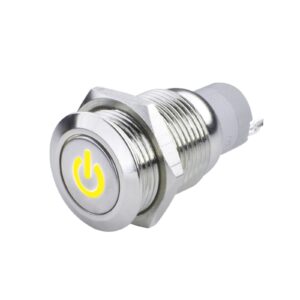
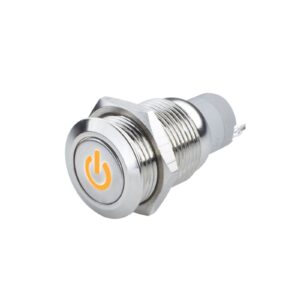
2009-006 - ORACLE Pre-Wired Power Symbol On/Off Flush Mount LED Switch
$21.21- ✓ Warranty
- ✓ 30-Day Returns
- ✓ Secure Checkout
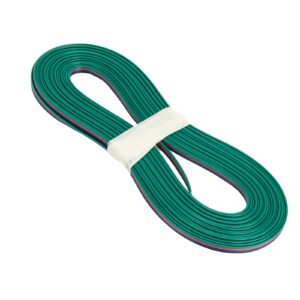
2006-001 - 22AWG 4 Conductor RGB Installation Wire (Sold by the Foot)
$0.81- ✓ Warranty
- ✓ 30-Day Returns
- ✓ Secure Checkout
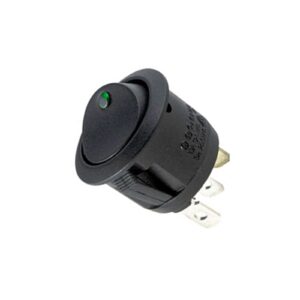
2009-005 - ORACLE Pre-Wired Power Symbol On/Off Flush Mount LED Switch
$21.21- ✓ Warranty
- ✓ 30-Day Returns
- ✓ Secure Checkout



Free Delivery
Free Shipping over $299

secure payment
Credit-Debit & Installments

Easy returns
30 days FREE returns

Online Support
Expert Support & HelpLine



Reviews
There are no reviews yet