












































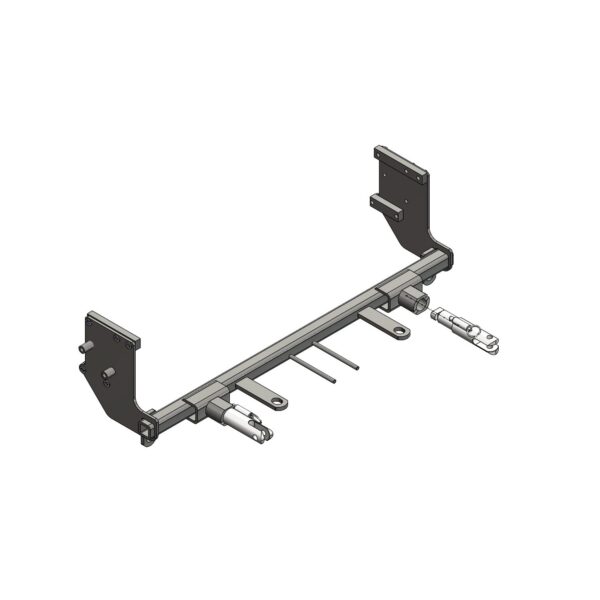
Base Plate
Securely connect your vehicle with a durable Base Plate for Tow Bar. Designed for a custom fit and reliable towing performance, ensuring safety and stability on the road.

What is a Base Plate for Towing?
Definition and Purpose
A base plate is a crucial component in a flat towing system, serving as the primary connection point between the towed vehicle and the tow bar. It is engineered to securely attach to the frame of the vehicle, providing a robust and reliable interface for towing. The primary function of a base plate is to transmit the forces exerted during towing, such as acceleration, braking, and turning, from the towed vehicle to the tow bar, ensuring controlled and stable movement.
Base Plate Components
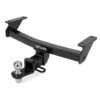
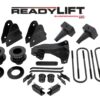
A typical base plate comprises several key components, all working in concert to ensure a secure and efficient towing connection. The primary components include the mounting brackets, which are custom-designed to fit specific vehicle makes and models. These brackets are engineered to attach to the vehicle’s frame, providing a solid foundation for the entire towing system. Attachment points, typically in the form of receiver tubes or tabs, are integrated into the mounting brackets. These points are designed to accept the connecting arms of the tow bar, allowing for easy and secure attachment and detachment. Hardware, such as bolts, nuts, and washers, is included to ensure that the base plate is firmly secured to the vehicle’s frame. The construction of the base plate uses materials like high-strength steel to ensure durability and load-bearing capacity.
Key Features and Benefits
Durable Construction
Base plates are constructed with durable materials and robust manufacturing processes to withstand the stresses of towing. High-strength steel is a common choice for base plates due to its exceptional strength-to-weight ratio and resistance to deformation under load. The steel undergoes precise cutting, shaping, and welding to create a structure that can handle the forces exerted during towing. Welds are performed by trained professionals, using techniques to ensure the integrity and durability of the base plate. The base plate may be powder-coated or treated with other protective coatings to provide an additional layer of defense against corrosion and environmental factors. This construction ensures that the base plate maintains its structural integrity and reliability over the life of the product, even when exposed to harsh conditions. According to industry standards, the materials and construction methods used in base plates must meet or exceed the requirements for towing equipment to guarantee safety and performance.
Vehicle-Specific Design
Base plates are engineered with a custom-fit design, specifically tailored to match the unique specifications of various vehicle makes and models. This custom fit ensures that the base plate seamlessly integrates with the vehicle’s frame, providing a secure and stable connection point for the tow bar. The custom design results in a precise fit, minimizing any gaps or misalignments that could compromise the integrity of the towing system. Custom-fit base plates are designed to ensure easy installation, with pre-drilled holes and mounting points that align perfectly with the vehicle’s existing framework. The custom-fit design enhances the overall safety of the towing setup. Because the base plate is engineered to distribute the towing forces evenly across the vehicle’s frame, reducing the risk of stress and damage. The vehicle-specific design also improves the aesthetic appearance of the towing system. Since the base plate is designed to blend seamlessly with the vehicle’s existing structure, it maintains a streamlined look and does not detract from the vehicle’s overall design.
Secure and Reliable Towing
A base plate plays a central role in ensuring a safe and reliable towing experience by providing a solid and dependable connection point between the towed vehicle and the tow bar. It provides a stable platform for the tow bar to attach, allowing the towing vehicle to control the towed vehicle’s movement effectively. This stability is essential for preventing swaying or jerking, which can compromise safety and control. The base plate is designed to withstand the stresses of towing, ensuring that the connection remains intact and secure under various conditions, including acceleration, braking, and turning. By creating a secure connection point, the base plate helps to prevent any separation between the towed vehicle and the tow bar while in motion, which is critical for safety. A well-designed and properly installed base plate distributes the towing forces evenly across the vehicle’s frame, reducing the risk of damage. The base plate is a critical component for safe towing. Proper installation is essential to guarantee that the base plate functions as intended, ensuring a secure connection and a safe towing experience.
How to Choose a Base Plate
Vehicle Compatibility
Selecting the correct base plate for your vehicle is essential for a safe and successful flat towing setup. Begin by identifying your vehicle’s make, model, and year. Ensure that the base plate is specifically designed to fit your vehicle’s specifications. Check the manufacturer’s product information or compatibility guides to verify that the base plate is compatible with your vehicle. Use online resources or contact a professional installer for assistance in determining the correct base plate. When selecting a base plate, consider the weight capacity of both the base plate and your vehicle to ensure that they are compatible with your towing needs. Confirm that the base plate meets any specific safety standards or regulations applicable in your area. By carefully considering vehicle compatibility, you can select a base plate that provides a secure and reliable connection for your towing setup.
- Make sure that the base plate is compatible with your vehicle’s year, make, and model.
- Review online resources or consult with a professional to determine the correct base plate for your vehicle.
Installation Process
The installation process for a base plate typically involves several steps, which should be followed carefully to ensure a secure and reliable connection. First, carefully read and understand the manufacturer’s instructions for the specific base plate model. The instructions provide detailed guidance on the installation procedure. Gather all the necessary tools, including those recommended by the manufacturer, such as wrenches, sockets, and torque wrenches. Properly prepare the vehicle by removing any necessary components that may obstruct the installation, such as the front bumper or undercarriage panels. Position the base plate components correctly, aligning them with the vehicle’s frame. Securely attach the base plate to the vehicle’s frame, using the provided hardware, such as bolts, nuts, and washers. The manufacturer’s instructions should provide specific torque specifications for tightening the hardware. Check the installation, ensuring that all components are properly aligned and securely fastened. If you are not comfortable with the installation process or lack the necessary tools or expertise, it is recommended to seek professional installation services. Professionals have the experience and tools to ensure that the base plate is correctly installed, maximizing its performance and safety.
Base Plate FAQs
What is the difference between a base plate and a tow bar?
A base plate and a tow bar are both critical components of a flat towing system, but they serve different functions. The base plate is a custom-designed metal structure that attaches directly to the frame of the towed vehicle. It provides the connection points for the tow bar, allowing the tow bar to be securely attached to the vehicle. The tow bar, also known as the hitch, is a rigid or adjustable arm that connects the base plate on the towed vehicle to the hitch receiver on the towing vehicle. It is responsible for transmitting the towing forces, such as acceleration, braking, and steering, between the two vehicles. In other words, the base plate provides the physical connection point on the towed vehicle, while the tow bar is the intermediary that links the two vehicles. Both components are essential for a safe and effective flat towing setup.
Is professional installation recommended?
Professional installation of a base plate is often recommended, as it can offer several advantages over a DIY approach. Professional installers have experience and specialized tools and equipment for installing base plates. This expertise helps to ensure that the base plate is installed correctly, adhering to the manufacturer’s specifications and safety standards. Professional installers are familiar with different vehicle makes and models and can quickly identify the correct base plate and installation procedures for your vehicle. They can also handle any unforeseen issues that may arise during the installation process, such as frame modifications or compatibility challenges. Many professional installation services offer a warranty on their workmanship, providing peace of mind. Additionally, some base plate manufacturers may require professional installation to maintain their warranty coverage. If you are not familiar with automotive repair or lack the necessary tools, professional installation is recommended to ensure a safe and reliable towing setup.
How often should a base plate be inspected?
Regular inspection of your base plate is crucial to maintain its integrity and ensure safe towing. Prior to each towing trip, conduct a visual inspection of the base plate and its components. Look for any signs of damage, such as cracks, bends, or corrosion. Examine the mounting hardware, including bolts, nuts, and washers, to ensure that they are securely fastened. Check the attachment points for the tow bar to ensure that they are in good condition and free of any obstructions. During the inspection, inspect the base plate regularly, particularly if you frequently tow your vehicle or if it is exposed to harsh conditions. Consider having your base plate inspected by a qualified professional periodically, such as during routine vehicle maintenance. If you notice any damage or concerns during your inspection, have them addressed immediately. Proper and regular inspections help identify potential issues early, ensuring the safety and reliability of your towing setup.
Related Topics
- Tow Bars – The primary connection between the base plate and the towing vehicle.
- Brake Controllers – Essential for safe towing and legal compliance in many areas.
- Towing Mirrors – Enhance visibility when towing.
Category Reference
Explore our complete selection of Towing Accessories for all your towing needs.
| Weight | 16.33 kg |
|---|---|
| Dimensions | 39 × 15.5 × 11.5 cm |
Q & A
You Might Also Like
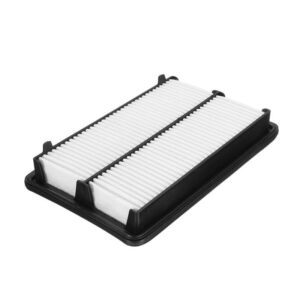
General Elektrik Indoor Air Filter (IAF-003)
Original price was: $35.00.$30.00Current price is: $30.00.- ✓ Warranty
- ✓ 30-Day Returns
- ✓ Secure Checkout
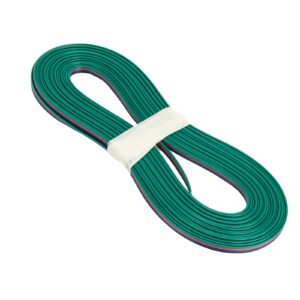
2006-001 - 22AWG 4 Conductor RGB Installation Wire (Sold by the Foot)
$0.81- ✓ Warranty
- ✓ 30-Day Returns
- ✓ Secure Checkout

2005-504 - 20AWG 2 Conductor LED Installation Wire 100M (328ft) Spool
$67.96- ✓ Warranty
- ✓ 30-Day Returns
- ✓ Secure Checkout



Free Delivery
Free Shipping over $299

secure payment
Credit-Debit & Installments

Easy returns
30 days FREE returns

Online Support
Expert Support & HelpLine



Reviews
There are no reviews yet