












































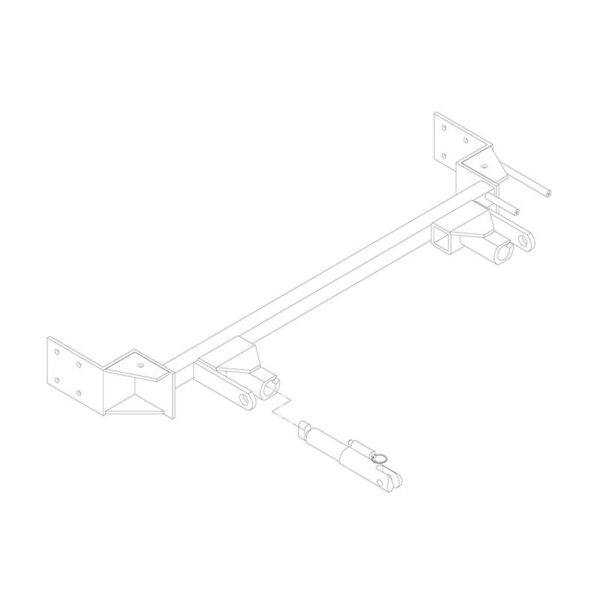
Base Plate
Discover the best base plate for your towing needs. Our guide highlights durable materials, easy installation, and enhanced safety features for secure towing.
What is a Base Plate for a Tow Bar?
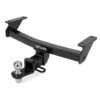
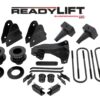
A base plate is a critical component in flat towing, the practice of towing a vehicle behind another vehicle with all four wheels on the ground. Its primary function is to provide a secure and robust connection point between the towed vehicle and the tow bar, which in turn connects to the towing vehicle. This setup is especially popular for RV enthusiasts and those who need to transport a car behind a motorhome. It ensures the towed vehicle moves in sync with the towing vehicle, providing a stable and controlled towing experience.
The Core Function of a Base Plate
The core function of a base plate is to serve as the primary interface for connecting the towed vehicle to the tow bar. The base plate is designed to attach securely to the frame of the towed vehicle, providing a robust anchor point. This attachment is typically done using heavy-duty bolts and brackets that are specifically designed for the vehicle’s make and model. The base plate’s design and integration with the tow bar system allows for direct and responsive control of the towed vehicle, mimicking the movement of the towing vehicle. This method ensures that the towed vehicle follows the towing vehicle’s trajectory, contributing to a safer and more controlled towing experience on the road.
Key Components and Design
Base plates are typically constructed from high-strength steel or aluminum, chosen for their durability and resistance to wear and tear. Steel base plates offer superior strength, while aluminum provides a lighter-weight option that can reduce the overall towing weight. The design of a base plate is highly vehicle-specific, ensuring a precise fit to the frame of the towed vehicle. This precision fit is crucial for both safety and performance. The base plate includes attachment points for the tow bar, usually with integrated brackets or receiver tubes that allow for quick and easy connection and disconnection of the tow bar. The dimensions of a base plate vary depending on the vehicle model, but generally, they measure around 41 inches in length, 16.5 inches in width, and 5 inches in height. The placement of these components is carefully considered to maintain the vehicle’s ground clearance and ensure compatibility with the tow bar and other related towing accessories.
- Dimensions: 41 x 16.5 x 5 (length, width, height)
- Material details: Constructed from high-strength steel or aluminum.
- Where this fits in the towing system: Attaches to the vehicle frame, providing a secure connection point for the tow bar.
Benefits of Using a Base Plate
Enhanced Safety Features
Base plates offer significant safety advantages over other towing methods, such as using a trailer. The direct connection provided by a base plate system ensures that the towed vehicle responds immediately to the movements of the towing vehicle, reducing the chances of erratic or delayed responses. This immediate response is crucial in emergency situations, such as sudden braking or swerving to avoid an obstacle. The base plate’s design minimizes sway and shifting during transit, keeping the towed vehicle stable. The secure and stable design also reduces the risk of accidents caused by the towed vehicle not following the path of the towing vehicle. According to industry standards, proper installation and usage are paramount for maintaining the safety and performance of the system.
- Durable and Stable Construction: Built from high-strength materials to withstand the stresses of towing.
- Secure Connection Points: Provides a direct and firm connection for the tow bar.
Ease of Use and Convenience
The ease of connecting and disconnecting the towed vehicle is a key benefit of using a base plate. The tow bar attaches and detaches from the base plate quickly, often with simple locking mechanisms. This makes it easy to set up for travel and convenient for those who frequently tow. This system minimizes the time and effort required to prepare a vehicle for towing compared to trailer-based systems. The design allows for easy setup and breakdown, saving time and making towing a more accessible option for various travelers.
Versatility and Compatibility
Base plates are designed to be versatile and compatible with a wide range of tow bars. The design of base plates generally works across different tow bar brands and models, ensuring that the user can choose a tow bar based on their needs. When choosing a base plate, users should consider the compatibility with different vehicle models and the ease with which it can be installed. The design of a base plate integrates seamlessly with other towing components, such as safety cables and wiring harnesses, to create a complete towing system.
Choosing the Right Base Plate
Vehicle Compatibility
Choosing a vehicle-specific base plate is crucial for ensuring a proper and secure fit. Base plates are designed to match the exact specifications of a vehicle’s make, model, and year. This ensures the base plate attaches securely to the vehicle’s frame. Using a vehicle-specific base plate helps maintain the structural integrity of the vehicle during towing. To ensure a proper fit, verify the compatibility of the base plate with your vehicle. Checking the manufacturer’s specifications and consulting with a professional is essential for choosing the correct base plate.
Material and Construction
The material and construction of a base plate significantly impact its durability, performance, and longevity. Base plates are commonly made from steel or aluminum. Steel offers superior strength and resistance to wear, making it suitable for heavy-duty towing applications. Aluminum base plates are lighter, which can improve fuel efficiency and reduce wear on the towing vehicle. The material should also be resistant to corrosion, especially if the vehicle will be exposed to harsh weather conditions or road salt. High-quality base plates are often powder-coated to provide an extra layer of protection against corrosion and enhance the overall appearance. Regular inspection for signs of rust, cracks, or other damage is crucial for maintaining the integrity of the base plate.
Installation Considerations
Installation is a significant consideration when choosing a base plate. Some base plates are designed for easy, DIY installation, while others require professional installation due to the complexity of the vehicle’s frame and the need for specialized tools. DIY installation can be a cost-effective option for those with mechanical experience. However, professional installation is recommended to ensure the base plate is correctly fitted and all safety features are properly integrated. Professional installers have the experience, tools, and knowledge to install the base plate safely and efficiently. The installation process typically involves attaching the base plate to the vehicle’s frame, securing it with bolts, and wiring the vehicle for the towing lights and other electrical components.
Installation Guide
Step-by-Step Overview
Installing a base plate typically involves several key steps, from preparing the vehicle’s frame to wiring the vehicle for towing. The specifics of the installation process vary depending on the make and model of the vehicle and the design of the base plate. It is important to carefully follow the manufacturer’s instructions to ensure a safe and secure installation. Consider enlisting professional help if you are not familiar with auto mechanics. Consult a professional installer or the manufacturer’s guide if you need assistance.
- Step 1: Frame Preparation: Prepare the vehicle’s frame by removing any undercarriage components that might interfere with the base plate installation. This may involve removing the front bumper, skid plates, or other accessories to expose the frame mounting points.
- Step 2: Attaching Base Plate: Attach the base plate to the vehicle’s frame using the provided bolts and brackets. Tighten the bolts to the manufacturer’s specifications to ensure a secure fit.
- Step 3: Wiring the vehicle: Connect the vehicle’s wiring harness. Run the wiring from the base plate to the vehicle’s electrical system.
- Step 4: Testing and final checks: Test the installation by attaching the tow bar to the base plate. Double-check all bolts and connections for tightness and proper function. Make a final visual inspection to ensure all components are correctly installed.
Maintenance and Care
Regular Inspections
Regular inspections are critical for maintaining the performance and safety of a base plate. Check for signs of wear, damage, or corrosion before each towing trip. This includes examining the base plate itself, the attachment points, and the tow bar connections. If any rust or corrosion is found, it should be addressed promptly to prevent further deterioration. Check for any cracks or damage that could compromise the structural integrity of the base plate. Regularly inspect the bolts and other fasteners to ensure they are tight and secure. Pay attention to the condition of the safety cables and wiring, replacing them if they show signs of wear or damage. Make sure your base plate is always in top condition. Following these inspection guidelines will help ensure the base plate continues to function safely.
- Inspection for rust: Check for any signs of rust or corrosion, particularly in areas exposed to the elements.
- Component integrity: Ensure all components, including the bolts, brackets, and connection points, are in good condition.
Cleaning and Lubrication
Regular cleaning and lubrication are essential for extending the life of a base plate. Clean the base plate regularly to remove dirt, debris, and road salt. This can be done with a mild soap and water solution, followed by a thorough rinsing. Lubricate any moving parts, such as the tow bar connection points, with a suitable lubricant. This will help prevent rust and ensure smooth operation. Apply a protective coating to the base plate, such as wax or a rust inhibitor, to help protect it from the elements. Taking proper care of your base plate will help it stay in top shape.
Safety Tips
Pre-Tow Checklist
A pre-tow checklist is an essential tool for ensuring a safe and successful towing experience. The checklist helps to catch any potential issues before they become problems on the road. Before each towing trip, inspect the base plate and tow bar for any signs of damage or wear. Check all connections, including the tow bar attachment points and the safety cables, to ensure they are secure. Verify that the vehicle’s lights are working correctly and that the wiring harness is properly connected. Make sure the towed vehicle’s tires are properly inflated and that all safety equipment, such as a breakaway system, is functioning correctly. Check the towed vehicle’s lights for proper function before starting your journey. The pre-tow checklist ensures that all crucial steps have been reviewed, contributing to a more secure and enjoyable journey.
Driving Considerations
Safe driving practices are essential when towing a vehicle. Observe all applicable speed limits and adjust your speed based on road conditions, such as wet or icy roads. Allow for longer stopping distances. Avoid sudden acceleration and braking. Be aware of the increased length and weight of the towing combination, and make wider turns and more cautious lane changes. Regular maintenance checks are key. Ensure that the towed vehicle is properly aligned with the towing vehicle. Periodically check the tow bar connections and the condition of the safety cables. Following these driving tips, you can help make your journey a safe one.
Conclusion
A base plate is a fundamental component for flat towing, offering a secure, safe, and convenient way to tow a vehicle. Choosing the right base plate involves considering vehicle compatibility, material quality, and proper installation. Regular maintenance and adherence to safety guidelines are crucial for ensuring the longevity and reliability of your towing system. By understanding the benefits of a base plate and following the recommended practices, users can enhance their towing experience and enjoy peace of mind on the road. Before embarking on any towing trip, review the necessary safety procedures to guarantee a smooth and safe journey.
| Weight | 21.32 kg |
|---|---|
| Dimensions | 41 × 16.5 × 5 cm |
Q & A
You Might Also Like
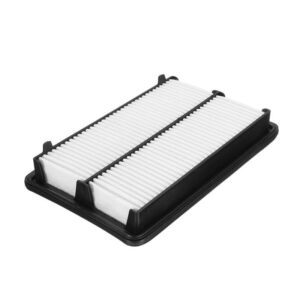
General Elektrik Indoor Air Filter (IAF-003)
Original price was: $35.00.$30.00Current price is: $30.00.- ✓ Warranty
- ✓ 30-Day Returns
- ✓ Secure Checkout
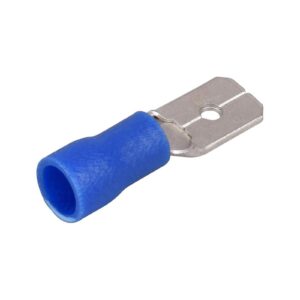
2009-504 - Male Spade Crimp Connector 18-22AWG (x100)
$8.46- ✓ Warranty
- ✓ 30-Day Returns
- ✓ Secure Checkout
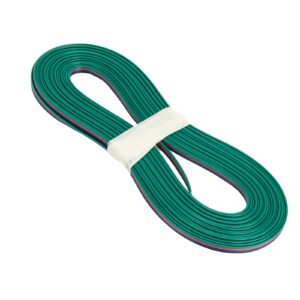
2006-001 - 22AWG 4 Conductor RGB Installation Wire (Sold by the Foot)
$0.81- ✓ Warranty
- ✓ 30-Day Returns
- ✓ Secure Checkout

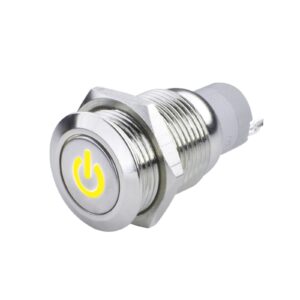
2009-006 - ORACLE Pre-Wired Power Symbol On/Off Flush Mount LED Switch
$21.21- ✓ Warranty
- ✓ 30-Day Returns
- ✓ Secure Checkout
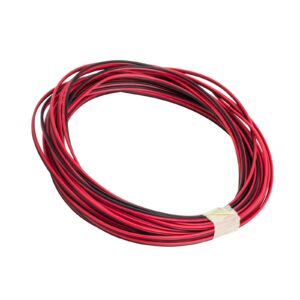
2005-001 - 20AWG 2 Conductor LED Installation Wire (Sold by the Foot)
$0.43- ✓ Warranty
- ✓ 30-Day Returns
- ✓ Secure Checkout

2006-504 - 22AWG 4 Conductor RGB Installation Wire 100M (328ft) Spool
$127.46- ✓ Warranty
- ✓ 30-Day Returns
- ✓ Secure Checkout



Free Delivery
Free Shipping over $299

secure payment
Credit-Debit & Installments

Easy returns
30 days FREE returns

Online Support
Expert Support & HelpLine



Reviews
There are no reviews yet