









































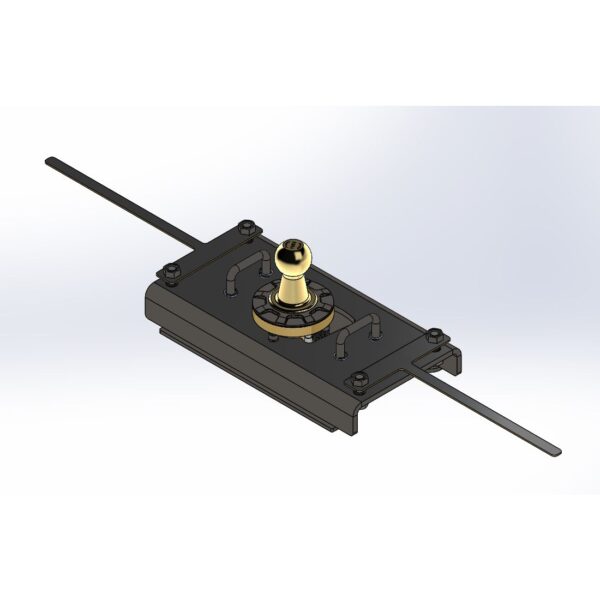
Gooseneck Trailer Hitch
Get the ultimate guide to gooseneck trailer hitches! Learn how to choose the right hitch for your truck and trailer, ensuring safety and reliable towing.
Choosing the Right Gooseneck Trailer Hitch
Selecting the appropriate gooseneck trailer hitch is crucial for safe and effective towing. This guide provides the information needed to choose a hitch that matches your specific requirements, including towing capacity, truck type, and trailer type. Understanding these factors ensures optimal performance and safety on the road.
Understanding Towing Capacity
Your truck’s towing capacity is a critical factor in determining the right gooseneck hitch. Exceeding this capacity can lead to dangerous situations, including damage to your vehicle and trailer, as well as potential accidents. It’s essential to understand your truck’s capabilities and the limitations of your trailer.
- GTWR (Gross Trailer Weight Rating): This is the maximum weight your trailer can weigh when fully loaded, including the trailer itself and everything it carries. You can usually find this information on a sticker located on your trailer. It’s important to use this rating to calculate the hitch capacity you’ll need.
- Matching Hitch Capacity: The gooseneck hitch you choose must have a GTWR that meets or exceeds your trailer’s GTWR. Choosing a hitch with a lower capacity than your trailer could lead to overloading and failure. Ensure the hitch is also compatible with your truck’s towing capacity to guarantee safety and avoid vehicle damage.
Hitch Types and Compatibility
Gooseneck hitches come in different types, each with its own set of advantages. Understanding the differences between these hitch types can help you select the most suitable option for your towing needs.
- Fixed Ball Hitches: These hitches feature a fixed ball that does not move or rotate. They are usually designed for straightforward towing applications where ease of use is a priority.
- Turnover Ball Hitches: Turnover ball hitches offer versatility. The gooseneck ball can be inverted and stowed in the truck bed when not in use, leaving a flat surface. This makes them an excellent option for those who need to use their truck bed for other purposes.
- Under-bed Hitches: Under-bed hitches are mounted beneath the truck bed, offering a clean look and maximizing bed space. These hitches are typically designed for heavier-duty towing tasks.
Truck Bed and Trailer Considerations
Compatibility between your truck bed, gooseneck hitch, and trailer is essential for safe and effective towing. Consider the following factors to ensure a proper match.
- Truck Bed Compatibility: Short bed trucks may require special gooseneck hitches designed to accommodate the shorter distance from the hitch to the cab. Long bed trucks provide more flexibility in hitch placement and maneuvering.
- Trailer Types Suited for Gooseneck Hitches: Gooseneck hitches are suitable for various trailer types, including livestock trailers, flatbed trailers, and equipment trailers. The type of trailer you have will help determine the necessary hitch capacity and features.
- Ball Size and Compatibility: Gooseneck balls come in different sizes. The ball size must match the coupler on your trailer to ensure a secure and stable connection. Always check both components before towing.
Key Features and Benefits of Gooseneck Hitches
Gooseneck hitches offer numerous benefits, making them a preferred choice for many towing applications. These features contribute to enhanced safety, stability, and versatility.
Enhanced Towing Stability and Control
The design of a gooseneck hitch significantly improves towing stability and control. By positioning the hitch directly over the rear axle of the truck, the system minimizes trailer sway and enhances the overall driving experience.
- Center of Gravity: Because the gooseneck hitch connects the trailer to the truck closer to the truck’s center of gravity, it creates a more stable towing setup.
- Reduced Sway: The central connection point reduces the leverage that the trailer has on the truck, reducing the likelihood of trailer sway.
Increased Towing Capacity
Gooseneck hitches are generally designed to handle heavier loads than other types of hitches. This high-capacity capability makes them ideal for hauling large trailers and heavy equipment.
- Capacity ranges: Gooseneck hitches are rated for a wide range of towing capacities. The specific capacity depends on the hitch design and the truck’s capabilities.
- Comparison to other hitch types: Compared to bumper hitches and fifth-wheel hitches, gooseneck hitches often offer higher towing capacities, making them a suitable choice for heavy-duty applications.
Versatile Design and Applications
The versatility of gooseneck hitches makes them suitable for a wide range of towing needs. Their compatibility with various trailer types makes them a valuable asset for both work and recreational activities.
- Livestock Trailers: Gooseneck hitches provide a stable and secure connection, which is essential for transporting livestock.
- Flatbed Trailers: These hitches are perfect for hauling construction materials, equipment, and other cargo.
- Equipment Trailers: The high towing capacity of gooseneck hitches is ideal for transporting heavy machinery.
Gooseneck Hitch Installation and Maintenance
Proper installation and regular maintenance are critical to ensure your gooseneck hitch functions correctly and safely. Following these guidelines will help extend the lifespan of your hitch and guarantee peace of mind while towing.
Professional Installation vs. DIY
Deciding whether to install your gooseneck hitch yourself or hire a professional involves considering your mechanical skills, available tools, and time. While some may prefer the cost savings of a DIY installation, others may prefer the assurance that comes with professional installation.
- Installation costs: Professional installation can be more expensive, but it ensures that the hitch is installed correctly and safely.
- Safety considerations: Improper installation can compromise the hitch’s performance and lead to safety hazards. Professional installers follow established safety protocols, which could be an advantage.
Step-by-Step Installation Guide
The installation process varies depending on the hitch model and your vehicle. This guide provides a general overview of the steps involved.
- Preparations: Gather all necessary tools and equipment. Carefully read the manufacturer’s instructions. Park your truck on a level surface and disconnect the battery.
- Mounting the Hitch Rails or Brackets: Install the hitch rails or brackets onto your truck frame according to the manufacturer’s instructions. This often involves drilling holes and securing the components with bolts.
- Installing the Gooseneck Ball or Assembly: Attach the gooseneck ball or assembly to the hitch rails or brackets. Ensure that it is securely fastened and aligned correctly.
- Securing and Testing: Tighten all bolts to the specified torque. Reconnect the battery and test the hitch by connecting it to a trailer. Check the lights and brakes to ensure proper functionality.
Hitch Maintenance Tips
Regular maintenance is essential to ensure the longevity and safety of your gooseneck hitch. Following these simple maintenance tips will help keep your hitch in good working condition.
- Regular Inspection for Wear and Tear: Inspect the hitch for signs of wear and tear, such as rust, cracks, or damage. Check all bolts and connections to ensure they are secure.
- Lubrication: Lubricate the gooseneck ball and any moving parts regularly. Use a high-quality grease to reduce friction and prevent corrosion.
- Cleaning: Keep the hitch clean from dirt, debris, and road salt. Cleaning the hitch regularly helps to prevent corrosion and maintain its functionality.
| Weight | 19.5 kg |
|---|---|
| Dimensions | 10 × 12 × 22 cm |
Q & A
You Might Also Like



Free Delivery
Free Shipping over $299

secure payment
Credit-Debit & Installments

Easy returns
30 days FREE returns

Online Support
Expert Support & HelpLine


Reviews
There are no reviews yet