










































Gooseneck Trailer Hitch
Discover the ultimate gooseneck trailer hitch for safe and reliable towing. Designed for heavy-duty applications, it enhances stability and increases towing capacity.
What is a Gooseneck Trailer Hitch?
Gooseneck Hitch Overview
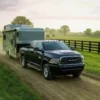
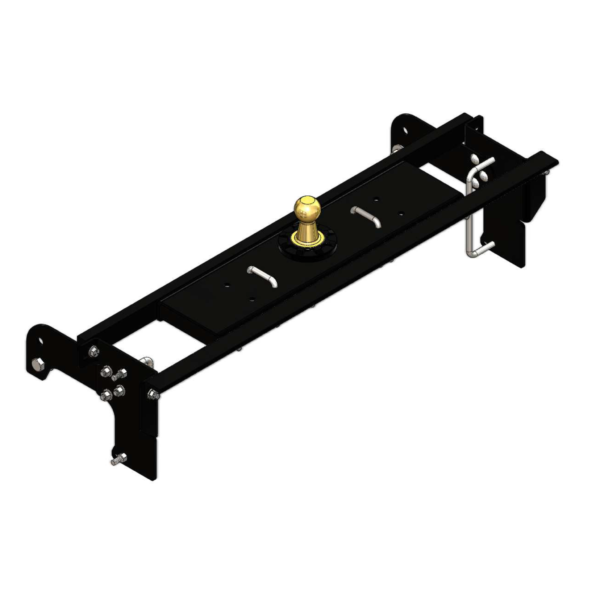
A gooseneck trailer hitch is a specialized towing system designed for heavy-duty applications. It connects a trailer to a towing vehicle using a ball-and-socket mechanism located inside the truck bed, directly above or slightly ahead of the rear axle. This design allows for a more direct connection, which is crucial for distributing the trailer’s weight more evenly, enhancing stability, and increasing the towing capacity compared to standard bumper hitches.
Key Advantages of Gooseneck Hitches
Choosing a gooseneck hitch offers several benefits that make it a preferred option for heavy-duty towing:
- Higher Weight Capacity: Gooseneck hitches are generally rated for higher gross trailer weight (GTW) and gross combined weight rating (GCWR) than other hitch types, allowing for the towing of heavier loads.
- Increased Maneuverability: The direct connection point enables tighter turning radiuses, making it easier to navigate in confined spaces.
- Stability and Control: The position of the hitch over the rear axle improves stability and reduces sway, providing better control while towing.
- Easy Installation: Gooseneck hitches can be easier to install than other hitch types, as they require less modification to the truck’s frame, making them a popular option.
Gooseneck Hitch Types and Applications
In-Bed Gooseneck Hitches
In-bed gooseneck hitches are designed to mount directly in the truck bed, offering a clean and unobtrusive towing solution. They typically feature a ball that can be raised or lowered, and often come with a safety chain attachment. These hitches are ideal for a wide range of applications, including towing livestock trailers, horse trailers, and flatbed trailers. Their versatility makes them a popular choice for both recreational and commercial users who need a reliable and robust towing solution.
Under-Bed Gooseneck Hitches
Under-bed gooseneck hitches provide a more concealed towing option. The hitch components are mounted beneath the truck bed, with only the ball visible when in use. This design maintains a clean look when the hitch is not engaged, and the ball can be easily removed or stowed away. This type of hitch is well-suited for users who want to maintain the truck’s aesthetic appeal while still having the capability to tow heavy loads. Common applications include towing large enclosed trailers, car haulers, and utility trailers, where both strength and appearance are valued.
Removable Gooseneck Hitches
Removable gooseneck hitches are designed for maximum versatility. They typically feature a ball that can be removed when not in use, leaving a flush surface in the truck bed. This design is perfect for those who need the towing capacity of a gooseneck hitch but don’t want the ball to be a permanent fixture. The removable nature makes it easy to convert the truck bed for other uses when towing isn’t needed. They are an excellent choice for users who need to tow occasionally, such as pulling a recreational vehicle or a work trailer, but also need the full use of their truck bed.
Gooseneck Hitch Features and Specifications
Weight Capacity
Weight capacity is a critical specification when choosing a gooseneck hitch, and it’s measured in terms of Gross Trailer Weight (GTW) and Gross Combined Weight Rating (GCWR). GTW refers to the maximum weight of the trailer, including cargo, while GCWR represents the total weight of the truck and trailer combined. Exceeding these limits can compromise safety and damage the hitch, the truck, and the trailer. When choosing a hitch, always select one that meets or exceeds the weight requirements of the trailer you intend to tow. Always check both your truck’s and the hitch’s weight ratings.
Ball Size and Compatibility
The standard ball size for gooseneck hitches is 2 5/16 inches in diameter, although smaller sizes may be available for lighter-duty applications. It’s essential to ensure the ball size matches the trailer coupler to ensure a secure connection. Using the wrong size can lead to a disconnection or a dangerous towing situation. Also, consider the materials the ball is made of; hardened steel balls are generally recommended for durability and strength. Regularly inspect the ball for wear and tear, replacing it if it shows signs of damage. Always verify the ball size with the trailer’s requirements.
Installation and Compatibility with Trucks
Gooseneck hitches are designed to fit a variety of truck models, but compatibility is crucial. Before purchasing a hitch, check the manufacturer’s specifications to ensure it is compatible with your truck’s make, model, and bed configuration. Installation typically involves mounting the hitch components to the truck frame, which may require drilling and other modifications. It’s advisable to follow the manufacturer’s instructions carefully or to have the hitch professionally installed to ensure it is properly secured. Ensure the hitch is compatible with any existing truck accessories.
Gooseneck Hitch Installation and Maintenance
Installation Overview
Installing a gooseneck hitch typically involves several key steps. First, the hitch components must be properly aligned and positioned according to the manufacturer’s instructions. This often requires drilling holes in the truck bed and frame. The hitch components are then bolted or welded to the truck frame, ensuring a secure fit. The ball is then installed in the hitch receiver, and the safety chains are attached. Finally, the electrical connections for the trailer lights and brakes are made. It is crucial to follow the manufacturer’s instructions and torque specifications precisely, and consider seeking professional installation if you are not comfortable with these steps.
Maintenance Tips
Regular maintenance is essential to ensure the longevity and safety of your gooseneck hitch. Proper care can prevent rust, wear, and potential failures. Here are some maintenance tips:
- Cleaning: Regularly clean the hitch components to remove dirt, debris, and road salt. Use a mild soap and water solution to clean the ball and other exposed parts.
- Lubrication: Lubricate the ball and any moving parts with a suitable lubricant to prevent wear and ensure smooth operation. Apply the lubricant regularly, especially before and after towing.
- Inspection: Inspect the hitch regularly for any signs of wear, damage, or corrosion. Check the ball for wear, the bolts for tightness, and the safety chains for proper attachment. Replace any worn or damaged components immediately.
Frequently Asked Questions About Gooseneck Hitches
FAQ #1: What is the difference between a gooseneck hitch and a fifth wheel hitch?
While both gooseneck and fifth wheel hitches are designed for heavy-duty towing, they differ in their connection points. A gooseneck hitch connects to the towing vehicle via a ball-and-socket system in the truck bed, while a fifth-wheel hitch connects to the towing vehicle with a kingpin that locks into a fifth-wheel hitch mounted in the truck bed. Fifth-wheel hitches offer more stability, especially for larger trailers, but gooseneck hitches provide greater maneuverability and are often considered more versatile. Both are superior to bumper hitches for heavy loads.
FAQ #2: How do I measure my truck bed for a gooseneck hitch?
To measure your truck bed for a gooseneck hitch, start by measuring the distance from the front of the truck bed to the rear. Then, measure the width of the bed between the wheel wells. Next, consider the position of the wheel wells; some hitches are designed to work around them, while others may require a specific placement. Consult the hitch manufacturer’s guidelines for specific measurements and installation requirements, as these can vary depending on the hitch design and truck model. It is important to ensure that the hitch will fit within your truck bed and will not interfere with any existing components.
FAQ #3: What safety precautions should I take when using a gooseneck hitch?
Safety is paramount when using a gooseneck hitch. Before towing, inspect the hitch and trailer for any damage or wear. Make sure the ball size matches the trailer coupler and is properly secured. Ensure the safety chains are properly attached and crossed under the trailer tongue. Check the trailer lights, brakes, and tires before each trip. Always stay within the hitch’s weight capacity and the truck’s towing capacity. Drive at a safe speed and be mindful of your surroundings. Practice backing up and maneuvering with the trailer before hitting the road. Regularly inspect the hitch and trailer for any signs of damage.
| Weight | 51.26 kg |
|---|---|
| Dimensions | 4 × 4 × 49 cm |
Q & A
You Might Also Like



Free Delivery
Free Shipping over $299

secure payment
Credit-Debit & Installments

Easy returns
30 days FREE returns

Online Support
Expert Support & HelpLine





Reviews
There are no reviews yet