





































Drop Receiver
Find the perfect drop receiver to level your trailer for safe and efficient towing. Enhance your vehicle’s performance and ensure a secure connection.
Drop Receiver Basics: What You Need to Know
Understanding Drop Receivers
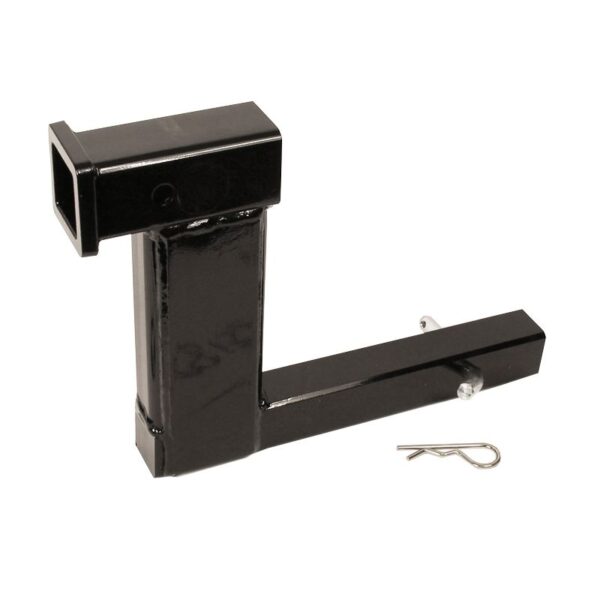
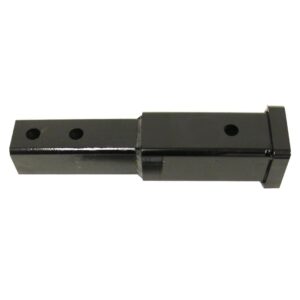
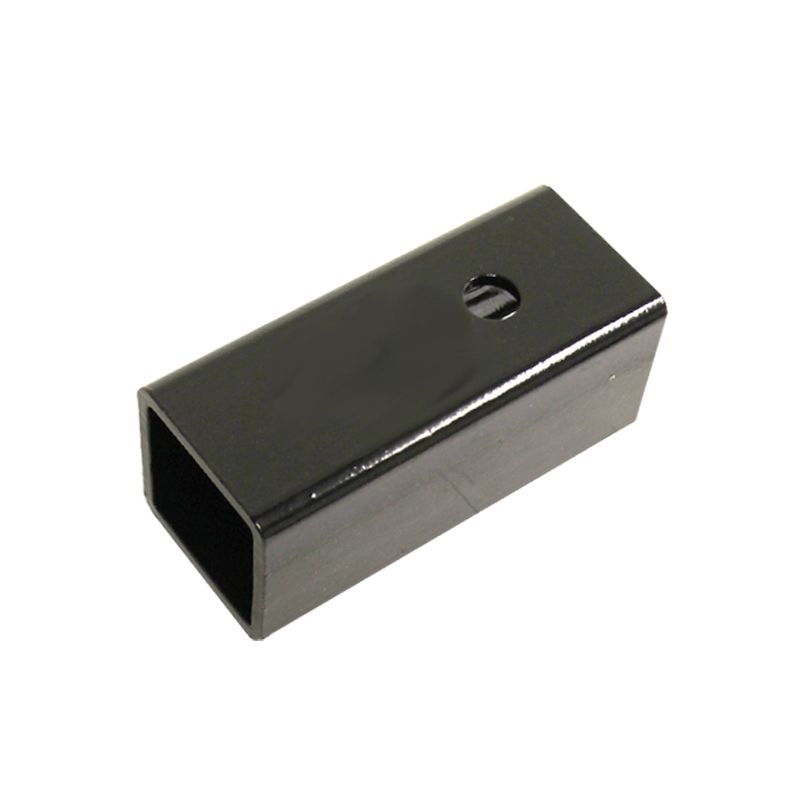
A drop receiver, also known as a drop hitch or drop ball mount, is a crucial component in the towing system, designed to adjust the height of the trailer hitch ball. Its primary purpose is to ensure that the trailer is level with the towing vehicle. Level towing is essential for safe and efficient towing, preventing issues like trailer sway and uneven wear on the vehicle and trailer components. Without a drop receiver, or with the wrong one, the trailer might tilt, which can compromise stability and handling. By selecting the appropriate drop receiver, you can optimize the towing experience and ensure that your trailer is properly aligned for a secure connection. Understanding the function of a drop receiver is the first step toward safe and effective towing.
- A drop receiver is a towing accessory that adjusts the height of the hitch ball.
- They’re used to level the trailer with the tow vehicle, improving safety.
Key Terminology and Definitions
To fully understand drop receivers, it’s important to know the terminology. Here are some essential terms:
- Drop: The distance, in inches, that the ball mount sits lower than the receiver tube.
- Rise: The distance, in inches, that the ball mount sits higher than the receiver tube.
- Receiver Tube: The square tube on the vehicle’s hitch where the drop receiver inserts.
Why Use a Drop Receiver?
Using a drop receiver offers several advantages that contribute to a safer and more efficient towing experience. Most importantly, a drop receiver ensures that the trailer is level with the towing vehicle. This level alignment is crucial because it distributes the weight evenly, which is essential for maintaining stability. When the trailer is level, the load is balanced, reducing the risk of trailer sway, which can be dangerous. It also improves handling and prevents excessive wear on the vehicle’s suspension and drivetrain. Proper leveling also enhances fuel efficiency, as the aerodynamic profile of the setup is optimized. Using a drop receiver to achieve level towing is a key to ensuring the safety of the tow, the longevity of your equipment, and a more comfortable driving experience.
Choosing the Right Drop Receiver
Determine Your Trailer’s Requirements
Selecting the correct drop receiver begins with understanding your trailer’s specific requirements. First, determine the ideal height of the hitch ball. This measurement ensures the trailer sits level when connected to your towing vehicle. To measure, park the trailer on a level surface and measure from the ground to the top of the trailer coupler. Then, measure from the ground to the top of your vehicle’s receiver tube. The difference between these two measurements will help you determine the necessary drop or rise. For instance, if the trailer coupler is higher than the receiver tube, you will need a drop receiver; if it is lower, you may need a rise receiver. Maintaining a level towing setup is critical to the trailer’s proper performance and to the safety of all parties involved.
- Measure the height of the trailer coupler when the trailer is on a level surface.
- Measure from the ground to the top of the receiver tube on your vehicle.
Weight Capacity Considerations
Always match the weight capacity of the drop receiver to the Gross Vehicle Weight Rating (GVWR) of your trailer. The GVWR is the maximum operating weight specified by the trailer manufacturer. This rating includes the trailer’s weight plus the weight of any cargo it carries. The drop receiver must be rated to handle this total weight. Additionally, consider your vehicle’s towing capacity. The receiver’s weight capacity should never exceed either the trailer’s GVWR or the vehicle’s towing capacity. Exceeding these limits can lead to dangerous situations, including structural failure of the receiver, loss of control, and potential accidents. Verify the weight ratings on both the trailer and the drop receiver before each towing trip.
- Always ensure the drop receiver’s weight rating matches or exceeds the trailer’s GVWR.
- Confirm the receiver’s capacity does not exceed your vehicle’s towing capacity.
Receiver Tube Size and Compatibility
Drop receivers are available in several receiver tube sizes. The most common sizes include 2-inch and 2.5-inch. Ensuring that the drop receiver fits correctly into your vehicle’s receiver tube is critical for a secure and safe connection. Check the size of your vehicle’s receiver tube, usually stamped on the tube itself. The drop receiver must match this size to fit properly. Using a drop receiver that doesn’t fit can compromise the towing setup and create a safety hazard. Also, consider the bolt hole size and spacing; these must align correctly for the hitch pin or locking mechanism to function effectively. The right fit provides a secure and reliable connection, allowing you to tow your trailer safely and confidently.
- The receiver tube size must match the size of your vehicle’s receiver.
- Verify the bolt hole size and spacing for compatibility.
Adjustable Drop Receivers
Adjustable drop receivers offer versatility compared to fixed ones. These receivers have multiple height adjustment settings, which can accommodate different trailer heights and towing needs. This adjustability is especially useful if you tow different trailers or if your vehicle’s ride height changes due to loading. Adjustable receivers provide flexibility in leveling the trailer, ensuring the perfect alignment for optimal towing. Fixed drop receivers, in contrast, come with a set drop or rise and cannot be adjusted. They are a simpler and often more affordable option, but they lack the versatility of adjustable receivers. The choice between fixed and adjustable drop receivers depends on your specific towing needs and preferences. If you frequently tow different trailers or need to adjust the height, an adjustable receiver offers the best solution. If you have a single trailer and a consistent towing setup, a fixed drop receiver may be sufficient.
Drop Receiver Features and Benefits
Enhanced Towing Safety
A correctly sized drop receiver significantly enhances towing safety by ensuring the trailer is level. This level alignment reduces trailer sway, a common and dangerous issue caused by wind, road conditions, or improper weight distribution. Trailer sway can lead to loss of control and accidents. By maintaining a level towing setup, the drop receiver distributes the trailer’s weight evenly across the vehicle’s suspension, improving handling and stability. This even weight distribution minimizes the risk of the trailer swaying and helps the driver maintain control, particularly in adverse conditions. A level towing setup also ensures the proper function of the trailer brakes and lights, which are critical for road safety. Using the right drop receiver is a key element in creating a safer towing experience.
- Leveling the trailer prevents trailer sway and improves vehicle handling.
- Ensures proper brake and light functionality.
Improved Towing Performance
Proper selection of a drop receiver not only improves safety but also enhances towing performance. When the trailer is level, it offers less wind resistance, which can improve gas mileage, reducing fuel consumption during your trip. A level towing setup ensures that the weight is distributed correctly, reducing stress on the vehicle’s drivetrain. This even distribution minimizes wear and tear on components such as the transmission, suspension, and tires, extending their lifespan. By reducing drag and ensuring optimal weight distribution, a well-chosen drop receiver contributes to a more efficient, smoother, and more cost-effective towing experience. Proper towing performance translates to a better driving experience and lower long-term maintenance costs.
- Level towing improves gas mileage.
- Reduces wear and tear on the vehicle’s drivetrain.
Ease of Use and Installation
Most drop receivers are designed for easy installation, making them user-friendly for both beginners and experienced users. The basic installation process typically involves inserting the drop receiver into the vehicle’s receiver tube and securing it with a hitch pin or locking mechanism. Before beginning, ensure that the vehicle and drop receiver are compatible and the correct size is selected. The process often requires no special tools, and the steps are straightforward. It is essential to check the manufacturer’s instructions for the correct installation procedure, but in most cases, it involves sliding the receiver into the tube and securing it. After installation, double-check that the hitch pin is correctly inserted and that the locking mechanism is engaged. Properly installed, the drop receiver should provide a secure and stable connection, allowing you to hook up your trailer quickly and safely.
Drop Receiver Care and Maintenance
Regular Inspections
Regular inspections of your drop receiver are crucial for ensuring safety and longevity. Before each towing trip, examine the receiver for any signs of wear, rust, or damage. Check the hitch pin and clip for any corrosion or damage that could affect their function. Inspect the receiver tube for cracks, bends, or other structural issues that might compromise its strength. Rust and corrosion, especially in areas exposed to the elements, can weaken the metal over time. Regularly clean off any dirt, debris, or salt that accumulates, especially in regions with harsh weather. Replace any worn or damaged components immediately. By making regular inspections a habit, you can identify and address potential problems before they become critical. Thorough and regular maintenance is an investment in your safety.
- Inspect the receiver before each towing trip.
- Check for rust, corrosion, and structural damage.
Cleaning and Lubrication
Regular cleaning and lubrication are essential for maintaining your drop receiver and ensuring its smooth operation. After each use, clean the receiver to remove any dirt, debris, or rust. Use a wire brush to remove any loose rust and then clean the surface with a solvent or degreaser. Once the receiver is clean, apply a lubricant to the ball mount and the inside of the receiver tube. This helps reduce friction and prevents rust, ensuring that the ball mount slides in and out easily. Consider using a high-quality grease or a dedicated hitch lubricant for optimal protection. Lubrication is particularly important if you live in an area with high humidity or road salt, as these conditions can accelerate corrosion. Proper cleaning and lubrication will extend the lifespan of your drop receiver, helping it function efficiently for years to come.
- Clean the receiver regularly with a brush or solvent.
- Lubricate the ball mount and inside of the receiver tube.
Storage
Proper storage of your drop receiver when it’s not in use can help prevent damage and extend its lifespan. When not towing, remove the receiver from the vehicle’s hitch and store it in a clean, dry place. This protects it from the elements, which can cause rust and corrosion. Avoid storing the receiver on the ground, where it can be exposed to moisture and debris. Consider storing it in a shed, garage, or other enclosed space. If you must store it outside, cover it with a tarp or protective cover. Regular maintenance and proper storage are critical for maintaining your drop receiver, maximizing its lifespan and ensuring it’s ready when you need it. By following these simple care tips, you can keep your drop receiver in top condition, ensuring years of reliable service.
| Weight | 15.42 kg |
|---|---|
| Dimensions | 18 × 13 × 4 cm |
Q & A
You Might Also Like


Free Delivery
Free Shipping over $299

secure payment
Credit-Debit & Installments

Easy returns
30 days FREE returns

Online Support
Expert Support & HelpLine


Reviews
There are no reviews yet