





































Drop Receiver
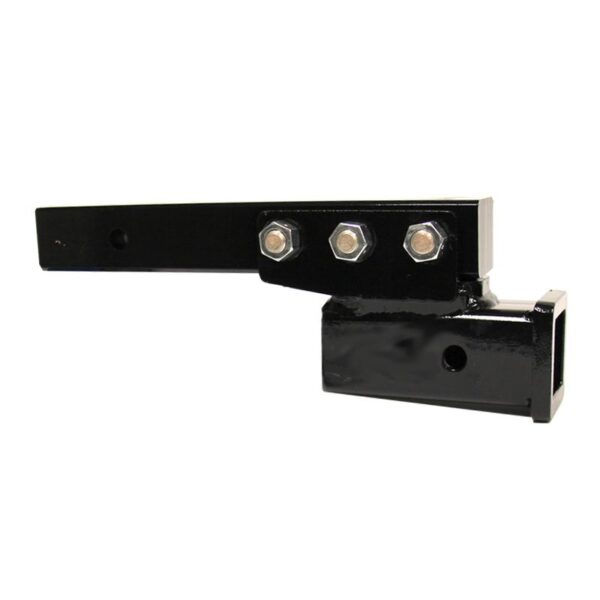
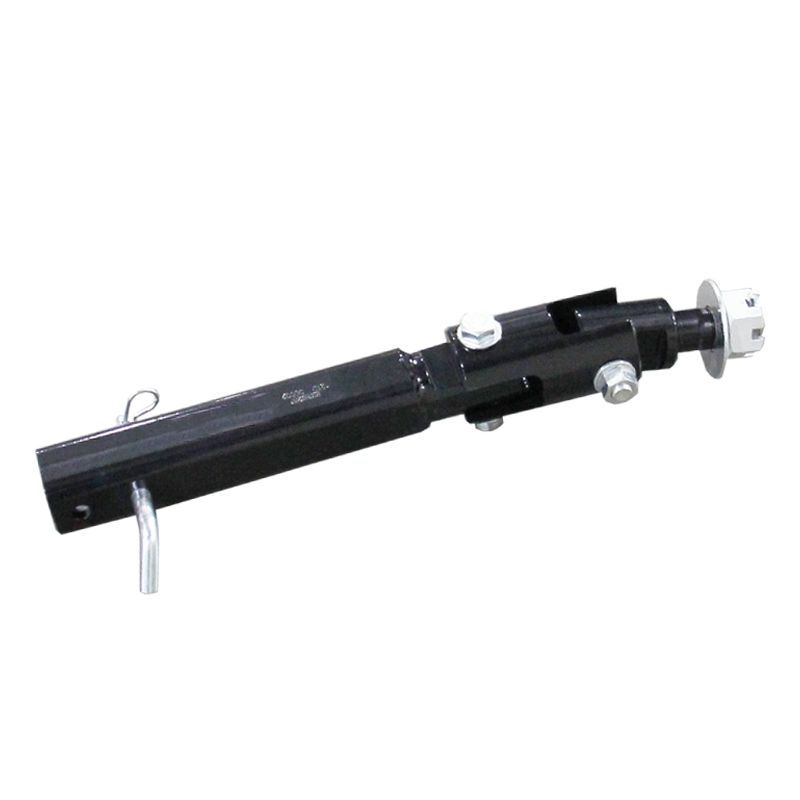
Get the perfect fit with our adjustable drop receiver. Designed for safe and level towing, it supports various trailer heights and ensures a stable ride.
What is a Drop Receiver?
Understanding Drop Receivers
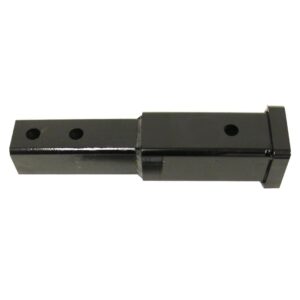
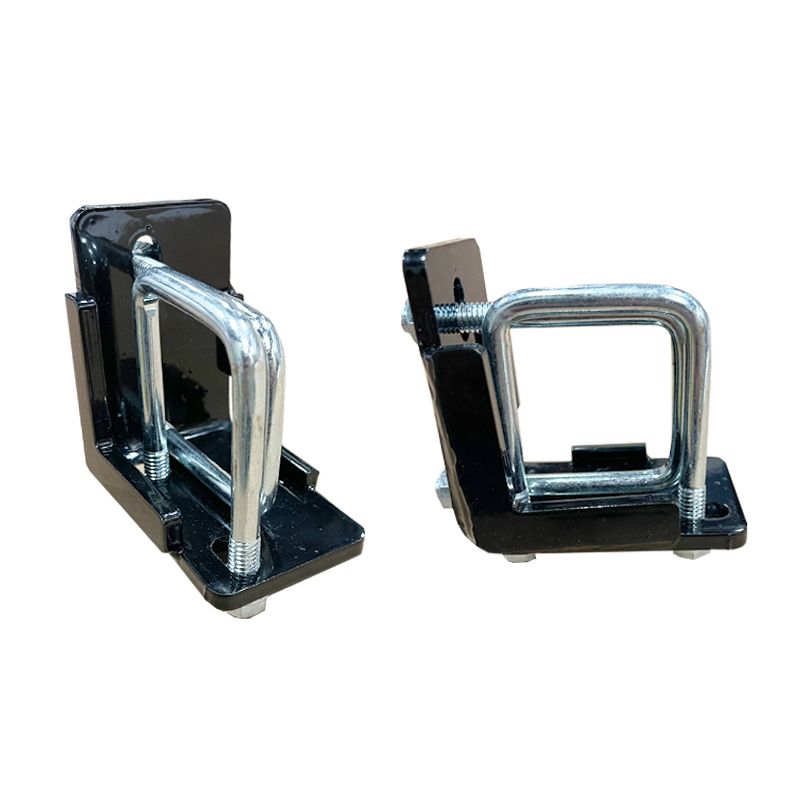
A drop receiver, also known as a drop hitch or adjustable ball mount, is a crucial component in a vehicle’s towing system. Its primary function is to connect the tow vehicle to a trailer, ensuring a secure and safe connection. This specialized hitch accessory fits into the receiver tube of a standard trailer hitch, offering a versatile solution for various towing needs. Drop receivers are designed to accommodate trailers with different coupler heights. This adjustability is key for ensuring the trailer rides level, which is essential for safe towing and optimal vehicle performance. Essentially, it bridges the gap between the vehicle and the trailer, allowing for adjustments to match the trailer’s height.
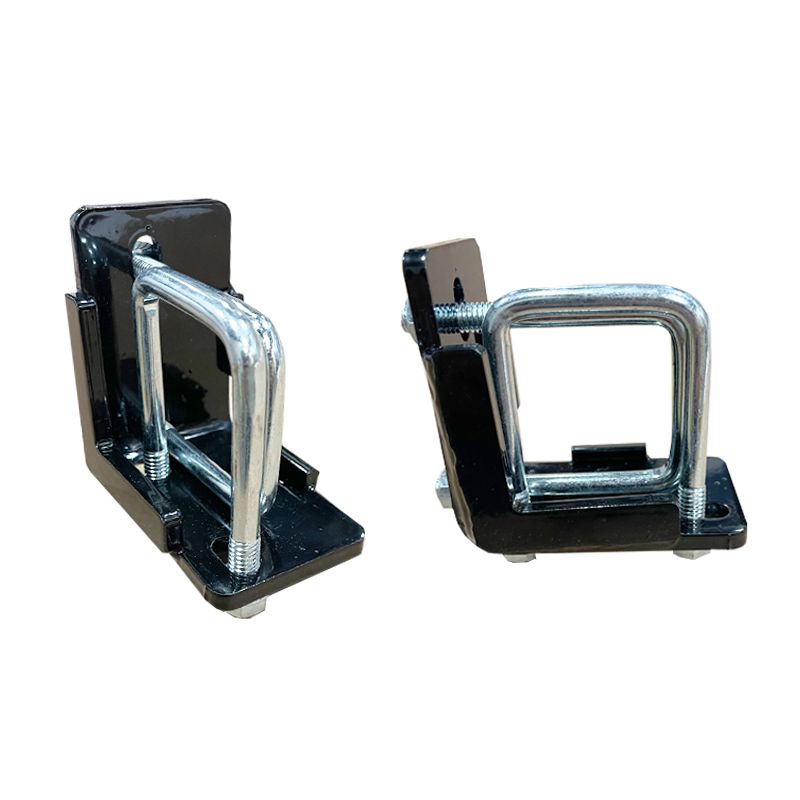
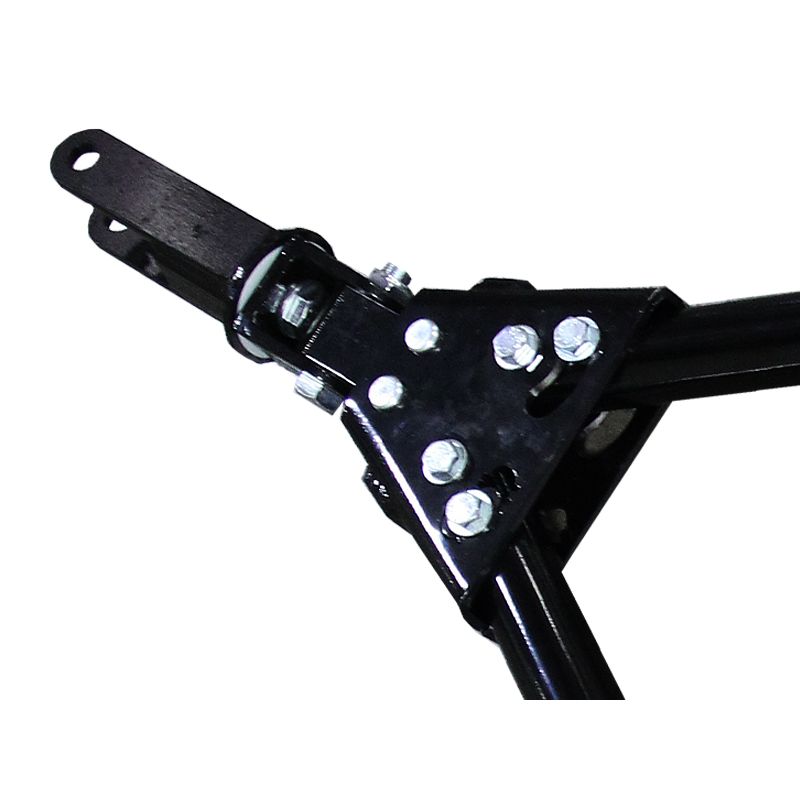
The design of a drop receiver typically includes a solid shank that inserts into the receiver tube, a horizontal platform to which the trailer ball is attached, and, importantly, the ability to adjust the vertical distance between the hitch receiver and the trailer ball platform. This adjustment, or ‘drop’ and ‘rise,’ allows the user to position the trailer at the correct height for level towing. Many models have multiple holes for a secure pin that locks the ball mount in place, and some models offer a more sophisticated adjustable mechanism.
Benefits of Using a Drop Receiver
- Improved Towing Experience: Provides a smoother and more stable towing experience by ensuring the trailer is level, reducing sway and bounce.
- Prevents Trailer Dragging: Keeps the trailer from dragging on the ground, which can cause damage to the trailer and compromise safety.
- Provides Optimal Trailer Level: Ensures the trailer is level, which improves weight distribution and braking performance.
Key Features and Benefits
Adjustability and Drop/Rise Range
The adjustability of a drop receiver is one of its most significant features. This adjustability allows the user to match the height of the trailer coupler to the height of the vehicle’s hitch receiver, ensuring the trailer rides level. The range of drop and rise a drop receiver offers is measured in inches and refers to the vertical distance the ball mount can be adjusted up (rise) or down (drop). This range is crucial because it determines whether the drop receiver can accommodate different trailer heights and vehicle setups. The correct drop/rise setting is vital for maintaining proper ground clearance for the trailer and ensuring optimal weight distribution, improving handling and safety. When the trailer is level, the load is distributed evenly across the trailer’s axles and the tow vehicle’s suspension.
Different drop receivers offer different ranges of adjustment. Here is a small chart comparing typical drop/rise ranges:
| Type | Typical Drop Range | Typical Rise Range |
|---|---|---|
| Standard | 2″ – 6″ | 0″ – 4″ |
| Heavy Duty | 4″ – 8″ | 2″ – 6″ |
| Adjustable | Varies Widely | Varies Widely |
Material and Build Quality
The material and build quality of a drop receiver are critical factors affecting its durability, safety, and longevity. Drop receivers are typically constructed from either steel or aluminum, each offering unique advantages. Steel drop receivers are known for their high strength and durability. They can withstand significant loads and are often the preferred choice for heavy-duty towing applications. However, steel is susceptible to rust and corrosion, especially in harsh environments. To combat this, manufacturers often apply protective coatings, such as powder coating or zinc plating, to increase their resistance to the elements. Aluminum drop receivers offer a lighter-weight alternative to steel, which can improve fuel efficiency and make installation and handling easier. Aluminum is naturally resistant to rust and corrosion, providing a longer lifespan in various weather conditions. However, aluminum may not be as strong as steel, which means it might not be suitable for all towing applications. The overall build quality of a drop receiver includes the welding, the machining of components, and the quality of the finish. These factors determine how well the drop receiver can handle the stresses of towing and resist wear and tear over time. Look for drop receivers with high-quality welds, precision-machined components, and protective finishes to ensure long-lasting performance and safety.
Weight Capacity and Safety Ratings
Understanding weight capacity and safety ratings is critical when selecting a drop receiver to ensure it’s suitable for your towing needs and complies with safety standards. The weight capacity is the maximum weight the drop receiver is designed to handle, including both the gross trailer weight (GTW) and the tongue weight (TW). GTW refers to the total weight of the loaded trailer, including the trailer itself and its cargo. TW is the downward force exerted by the trailer tongue on the hitch ball. Exceeding these ratings can lead to dangerous situations, including equipment failure and loss of control while towing. The weight capacity of a drop receiver is typically indicated by its hitch class, which is determined by the Society of Automotive Engineers (SAE) standards. The hitch class is usually stamped on the receiver itself, along with the GTW and TW limits. It’s important to verify that the receiver’s weight capacity meets or exceeds the GTW and TW of your trailer.
Here is a table explaining different hitch classes and their weight ratings:
| Hitch Class | Receiver Tube Size (inches) | Gross Trailer Weight (lbs) | Tongue Weight (lbs) |
|---|---|---|---|
| I | 1.25 x 1.25 | Up to 2,000 | Up to 200 |
| II | 1.25 x 1.25 | Up to 3,500 | Up to 350 |
| III | 2 x 2 | Up to 5,000-8,000 | Up to 500-800 |
| IV | 2 x 2 | Up to 10,000-14,000 | Up to 1,000-1,400 |
| V | 2.5 x 2.5 | Up to 10,000+ | Up to 1,000+ |
Ease of Use and Installation
Ease of use and installation are crucial factors when selecting a drop receiver, affecting how easily you can set up and use the towing system. A user-friendly drop receiver simplifies the process and saves time and effort. Most drop receivers are designed for relatively straightforward installation. They slide into the receiver tube of your vehicle’s hitch, and a pin or clip secures them in place. The tools needed for installation are typically minimal, often including a wrench or socket set for tightening the ball mount. Many drop receivers feature adjustable height settings that can be easily changed with a simple mechanism. Always ensure you read the manufacturer’s instructions carefully. Safety is paramount during installation and use. Always ensure the drop receiver is securely fastened to the vehicle’s hitch receiver and that the ball mount is properly torqued according to the manufacturer’s specifications. Before each towing trip, inspect the drop receiver, ball mount, and hitch for any signs of wear or damage. Proper installation and regular maintenance can significantly extend the drop receiver’s life and ensure safe towing.
Choosing the Right Drop Receiver
Determining Your Towing Needs
Choosing the right drop receiver begins with a clear understanding of your towing needs. This process involves several key considerations, including the type of vehicle you’re using for towing, the type of trailer you’ll be towing, and the typical loads you expect to carry. The first step is to assess the towing capacity of your vehicle. This information is usually found in your vehicle’s owner’s manual or on the vehicle’s specifications sheet. Ensure the drop receiver has a weight capacity that meets or exceeds your vehicle’s towing capacity. Next, identify the type of trailer you will be towing. Different trailers have different coupler heights, which determines the drop or rise needed for the drop receiver. Measure the distance from the ground to the top of the trailer coupler. Also, consider the typical loads you’ll be towing. If you frequently tow heavy loads, you might need a heavy-duty drop receiver with a higher weight capacity. These considerations will guide you in selecting a drop receiver with the appropriate drop/rise range, weight capacity, and build materials.
Measuring for Drop and Rise
Accurate measurement is crucial for selecting the correct drop or rise setting for your drop receiver. This measurement ensures the trailer is level during towing, which is essential for safety, performance, and the even distribution of weight. Follow these steps to measure and determine the required drop or rise. First, park your vehicle on a level surface. Ensure the vehicle is ready for towing, meaning loaded as it would be during a typical towing situation. Then, measure the distance from the ground to the top of the receiver tube on your vehicle’s trailer hitch. Next, measure the distance from the ground to the top of the trailer coupler. If the coupler is higher than the receiver tube, you need a drop receiver; if it’s lower, you need a rise receiver. The difference between these two measurements is the drop or rise needed. For example, if the receiver height is 18 inches and the coupler height is 20 inches, you’ll need a drop receiver with at least a 2-inch drop. It’s always better to err on the side of caution and choose a drop receiver that provides a slightly greater range of adjustment than you think you’ll need.
The diagram below illustrates the measurement process:

Size and Compatibility
Receiver size is a critical factor in the compatibility of a drop receiver. Standard trailer hitches come in different receiver tube sizes, with the most common being 2-inch by 2-inch and 2.5-inch by 2.5-inch. The drop receiver must match the size of your vehicle’s receiver tube. Using a drop receiver that doesn’t fit can be dangerous and will compromise the towing system’s safety and effectiveness. If you have a 2-inch receiver, you need a drop receiver designed for a 2-inch receiver, and similarly, a 2.5-inch receiver requires a 2.5-inch drop receiver. Ensure the drop receiver is compatible with your vehicle’s hitch class. Compatibility also includes the ball mount. The ball mount, which attaches to the drop receiver, must be compatible with the trailer’s coupler size. Coupler sizes typically range from 1-7/8 inches to 2-5/16 inches in diameter. The ball mount should have the same size as the trailer coupler. Therefore, when selecting a drop receiver, check the receiver tube size, hitch class, and ball mount compatibility to ensure a secure and safe towing setup.
Material Options
When selecting a drop receiver, material options significantly influence the product’s durability, weight, and resistance to environmental factors. The most common materials for drop receivers are steel and aluminum, each offering distinct advantages. Steel drop receivers are renowned for their high strength and ability to handle heavy loads, making them suitable for demanding towing applications. Steel’s robustness ensures the drop receiver can withstand the stresses of towing, providing a secure connection between the vehicle and the trailer. However, steel is susceptible to rust and corrosion, especially in areas with harsh weather conditions or road salt. To mitigate this, manufacturers often apply protective coatings, such as powder coating or zinc plating. Aluminum drop receivers provide a lighter-weight alternative to steel, reducing the overall weight of the towing setup. This can improve fuel efficiency and make the drop receiver easier to handle and install. Aluminum is naturally resistant to rust and corrosion, offering a longer lifespan in various weather conditions without requiring special coatings. However, aluminum may not have the same strength as steel, so it might not be the best choice for very heavy loads.
Drop Receiver Safety and Maintenance
Proper Installation and Use
Proper installation and use are essential for ensuring the safety and effectiveness of a drop receiver. Before installing a drop receiver, always consult the manufacturer’s instructions. These instructions provide specific guidelines for your model and ensure the proper installation process. Make sure you have the correct tools, such as a torque wrench, to tighten the ball mount and other components to the manufacturer’s specifications. The ball mount should be securely inserted into the receiver tube of the drop receiver. Always use the correct size hitch pin or clip to secure the drop receiver to the vehicle’s receiver hitch. Never exceed the weight capacity of the drop receiver, ball mount, or vehicle. Before each towing trip, inspect the drop receiver, ball mount, and hitch for any signs of wear or damage. This includes checking for cracks, rust, or loose bolts. If you notice any issues, replace the damaged parts immediately. When using a drop receiver, always drive at a safe speed and allow extra distance for stopping. Check the trailer’s lights and brakes to ensure they function correctly. Make sure the load is properly secured in the trailer, and distribute the weight evenly to maintain balance and stability.
Regular Inspection
Regular inspection of your drop receiver is crucial for ensuring its continued safety and functionality. Routine inspections help identify potential problems before they escalate into more significant issues, such as equipment failure. Establish a regular inspection schedule, ideally before each towing trip and at least monthly. Here’s a checklist of items to inspect. First, examine the drop receiver for any signs of damage, such as cracks, dents, or deformation. Check the receiver tube for rust or corrosion, which can weaken the metal over time. Inspect the welds on the drop receiver for cracks or breaks. Check the ball mount for wear and ensure it is securely attached to the drop receiver. Inspect the hitch pin or clip that secures the drop receiver to the vehicle’s receiver hitch. Ensure it is in good condition and properly installed. Also, check for any signs of loose bolts or nuts and tighten them if necessary. By adhering to this inspection checklist, you can catch potential problems early and ensure the drop receiver functions safely and efficiently.
Maintenance Tips
Maintaining your drop receiver properly will prolong its lifespan and ensure its continued performance and safety. The primary goal is to prevent rust and corrosion, which can compromise the receiver’s structural integrity. Here are some key maintenance tips. Regularly clean the drop receiver to remove dirt, debris, and road salt, which can accelerate corrosion. Use a mild soap solution and water to clean the receiver, then rinse thoroughly and dry. Apply a rust inhibitor or protectant to the drop receiver, especially if you live in an area with harsh weather conditions or road salt. Reapply the protectant as needed, following the manufacturer’s instructions. Store the drop receiver properly when not in use. This includes storing it in a dry, covered area. Regularly inspect the drop receiver for signs of wear and tear, such as cracks or damage. If you notice any issues, address them promptly by repairing or replacing the damaged components. Always refer to the manufacturer’s recommendations for specific maintenance procedures and the use of appropriate cleaning and protective products. Taking these steps will help ensure the drop receiver provides reliable and safe service for many years.
| Weight | 11.34 kg |
|---|---|
| Dimensions | 15 × 6 × 5 cm |
Q & A
You Might Also Like


Free Delivery
Free Shipping over $299

secure payment
Credit-Debit & Installments

Easy returns
30 days FREE returns

Online Support
Expert Support & HelpLine


Reviews
There are no reviews yet