

















































2-Point Hitch
Improve towing stability with a 2-Point Hitch. This system enhances weight distribution, minimizes trailer sway, and promotes safer handling for a more controlled ride.
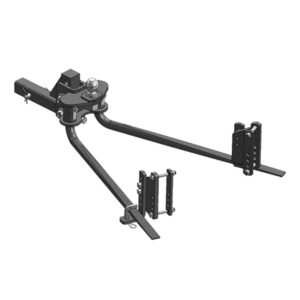


What is a 2-Point Hitch and How Does it Work?
Understanding the 2-Point Hitch System
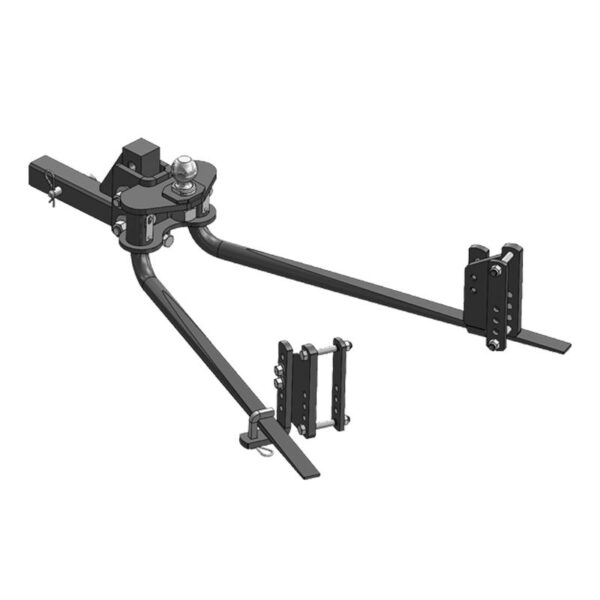
A 2-point hitch is a specialized towing system designed to improve the stability, safety, and overall performance of towing setups. This system typically includes a hitch head, spring bars, and a connection to the tow vehicle. The primary function of a 2-point hitch is to distribute the weight of the trailer more evenly between the tow vehicle’s front and rear axles. This distribution helps to reduce stress on the vehicle, improve handling, and minimize trailer sway, creating a safer and more controlled towing experience.
How a 2-Point Hitch Improves Towing
- Weight Distribution: By transferring some of the trailer’s tongue weight to the front axle of the tow vehicle and the trailer axles, the hitch reduces the amount of ‘sag’ in the rear of the vehicle. This keeps the vehicle level, maintaining proper steering and braking.
- Trailer Sway Control: The 2-point hitch incorporates features, such as spring bars, that resist the side-to-side movement of the trailer, which is also known as trailer sway. Sway can be caused by crosswinds, sudden maneuvers, or unevenly loaded trailers. By minimizing sway, the hitch enhances the safety and control of the towing setup.
- Enhanced Braking and Handling: The even weight distribution and sway control contribute to improved braking performance and easier handling. Drivers will experience more stable and responsive control, especially during emergency maneuvers or in adverse weather conditions.
Key Features and Benefits of a 2-Point Hitch
Enhanced Weight Distribution for a Smoother Ride
One of the primary benefits of a 2-point hitch is its ability to distribute the weight of the trailer effectively. This process involves the use of spring bars that apply leverage to the trailer tongue and the tow vehicle. The spring bars help transfer a portion of the tongue weight to the front axle of the tow vehicle and the trailer axles. This results in a more balanced load distribution. This balanced distribution reduces the ‘sag’ at the rear of the tow vehicle, which often happens when towing a heavy trailer with a standard ball mount. This creates a more level towing setup, ensuring that the vehicle maintains its original ride height and suspension geometry. This not only improves the ride quality but also helps to optimize the performance of the vehicle’s braking and steering systems. With the weight distributed more evenly, there is less stress on the tow vehicle’s components, such as the suspension, tires, and drivetrain. This enhances the overall stability and control during towing. The outcome is a smoother and more controlled towing experience, especially on long journeys or challenging terrains.
Improved Sway Control and Stability
Trailer sway is a dangerous phenomenon that can occur when the trailer begins to swing from side to side while being towed. This can be caused by several factors, including crosswinds, sudden maneuvers, or unevenly loaded trailers. A 2-point hitch helps to control and reduce trailer sway using several mechanisms. The spring bars on the hitch apply pressure, which resists the side-to-side movement of the trailer. This pressure acts as a dampening force, preventing the trailer from swaying excessively. Some 2-point hitches also have friction-based sway control devices that further enhance stability. These devices create friction between the hitch head and the spring bars, which reduces the trailer’s tendency to swing. By effectively managing trailer sway, the 2-point hitch enhances the overall stability of the towing setup. This is particularly important in challenging conditions, such as high winds or during emergency maneuvers. The improved stability provided by a 2-point hitch enhances safety. It reduces the risk of losing control of the tow vehicle and trailer.
Ease of Installation and Use
2-point hitches are designed with user convenience in mind, making the installation and operation straightforward. The installation of a 2-point hitch is generally a DIY-friendly task, with most models coming with clear and detailed instructions. The process usually involves attaching the hitch head to the trailer tongue, mounting the hitch assembly to the tow vehicle’s receiver, and connecting the spring bars. Some models may require minor adjustments to fine-tune the weight distribution. Once installed, the 2-point hitch is easy to use. The spring bars are typically attached and detached easily, and the hitch head is designed to accommodate different trailer types. Regular maintenance is minimal, typically involving periodic lubrication of moving parts and occasional inspections to ensure all components are in good working order. This ease of installation and use makes 2-point hitches a practical solution for a wide range of towing needs, providing enhanced safety and performance without the complexity of more advanced towing systems.
- Easy to install with clear instructions.
- Minimal maintenance requirements.
- User-friendly operation for hassle-free towing.
Technical Specifications
- Trailer Weight Capacity: The maximum weight the hitch can safely tow.
- Tongue Weight Capacity: The maximum weight the hitch can support on the trailer tongue.
- Shank Size: Determines the fit with the tow vehicle’s receiver (e.g., 2-inch).
- Hitch Class: Indicates the hitch’s strength and capacity (e.g., Class III, Class IV).
Choosing the Right 2-Point Hitch for Your Needs
Determining Your Towing Needs
Selecting the appropriate 2-point hitch starts with evaluating your specific towing needs. Begin by determining the weight of the trailer you plan to tow, as well as the weight of the cargo you will be carrying in the trailer. This total weight must be within the weight capacity of both your tow vehicle and the 2-point hitch. It is also important to consider the tongue weight, which is the downward force exerted by the trailer on the hitch ball. The tongue weight should be within the range specified by the hitch manufacturer. Consider the types of trips you will be taking. If you frequently tow in windy conditions or travel on uneven roads, prioritize a hitch with enhanced sway control features. It’s essential to consult your vehicle’s owner’s manual for the maximum towing capacity and any specific recommendations for weight distribution hitches. Ensuring that all components are properly matched and rated for your towing needs is the key to a safe and efficient towing experience.
Measuring and Matching Capacities
Accurately measuring and matching capacities is a crucial step in choosing the right 2-point hitch. Start by weighing the fully loaded trailer, including all cargo. Next, determine the tongue weight, which is the downward force exerted by the trailer on the hitch ball. This can be measured using a tongue weight scale or by placing the trailer tongue on a bathroom scale. The measured tongue weight must be within the range specified by both the 2-point hitch and your tow vehicle. The 2-point hitch will have a maximum tongue weight rating, which should be equal to or greater than the measured tongue weight of the loaded trailer. It’s important to compare the trailer’s gross vehicle weight rating (GVWR) and the tow vehicle’s towing capacity. These ratings can be found in the trailer and vehicle owner’s manuals. Choose a hitch that is rated to handle the total weight of the trailer. Make sure the hitch’s shank size matches the receiver size on your tow vehicle. The vehicle’s receiver size is typically 2 inches. Mismatching the capacities can lead to instability, damage, or even dangerous towing situations. Always prioritize safety by selecting a 2-point hitch with adequate capacity and ensuring a proper fit with your tow vehicle and trailer.
Review of available models, shank, head, or other factors
When choosing a 2-point hitch, there are various models and features to consider. The hitch head is a critical component, as it connects to the trailer tongue and provides the attachment point for the spring bars. The design of the head can vary. Some offer adjustable features to fine-tune the weight distribution. Shank size is another key factor, which must match the receiver size on your tow vehicle. The most common receiver size is 2 inches. The spring bars are essential components that distribute weight and provide sway control. They come in different styles and weight ratings, so make sure to select bars that are rated for the weight of your trailer. Some 2-point hitches include integrated sway control mechanisms, while others use friction-based sway control devices. Consider the terrain and conditions in which you will be towing. Look for a hitch with enhanced sway control features. The construction material and quality of the hitch are also important factors to consider. Look for hitches made from durable materials, such as steel, with a corrosion-resistant finish. Reading reviews and comparing different models will help you make an informed decision, ensuring you select the best 2-point hitch for your specific needs.
Installation and Setup Guide
Step-by-Step Installation Instructions
- Step 1: Attaching the head to the trailer: Securely attach the hitch head to the trailer tongue, ensuring it’s properly aligned and fastened according to the manufacturer’s instructions.
- Step 2: Positioning the hitch to the vehicle: Insert the hitch shank into the receiver of the tow vehicle and secure it with the appropriate pin and clip.
- Step 3: Connecting the Spring Bars: Attach the spring bars to the hitch head and the brackets on the trailer frame, following the recommended procedures for tensioning.
- Step 4: Final adjustments: Adjust the spring bar tension and the hitch head height to achieve the desired weight distribution, ensuring the tow vehicle and trailer sit level.
Adjusting and Optimizing Performance
After installing the 2-point hitch, fine-tuning the setup is crucial for optimal performance. Begin by ensuring that the tow vehicle and trailer are level. The hitch head height can be adjusted. Adjust the spring bar tension to achieve the correct weight distribution. This might require moving the spring bar brackets or adjusting the chain links on the spring bars. Once the setup is complete, it’s important to verify the adjustment. Measure the ride height of the tow vehicle before and after attaching the trailer. If the vehicle sags excessively, increase the spring bar tension. If the front end of the vehicle rises, reduce the tension. A properly adjusted 2-point hitch will ensure that the weight is distributed evenly. The trailer will track straight behind the tow vehicle. Always refer to the manufacturer’s guidelines for specific instructions and recommendations. It is best to test the setup on a level surface and make adjustments as needed. Proper adjustment will enhance the towing experience and ensure safety on the road.
Safety Tips and Maintenance
Essential Safety Guidelines for Towing
- Always check the weight capacity of your tow vehicle and hitch.
- Ensure that the trailer is properly loaded and balanced.
- Inspect the hitch components regularly for wear and tear.
- Verify that all lights and signals on the trailer are functioning correctly.
- Always use safety chains and cross them under the trailer tongue.
- Drive at a safe speed and maintain a longer following distance.
- Be cautious when making turns and maneuvers.
- Take breaks to avoid fatigue and check your load.
Regular Inspection and Maintenance
Regular inspection and maintenance are essential for keeping your 2-point hitch in good working order. Before each trip, inspect the hitch head, spring bars, and all connection points for signs of wear, corrosion, or damage. Check the ball mount for any cracks or excessive wear. Lubricate the moving parts of the hitch head and spring bar brackets with a suitable lubricant. Keep the hitch clean to prevent corrosion and ensure smooth operation. Regularly inspect the spring bars for any bends or damage. Check the bolts and fasteners to ensure they are tightened to the manufacturer’s specifications. Pay attention to the trailer’s tires and ensure they are properly inflated and in good condition. Inspect the trailer brakes to ensure they are functioning correctly. By performing these regular maintenance tasks, you can ensure the 2-point hitch remains reliable and safe, and prevent any unexpected issues during your travels.
| Weight | 40.82 kg |
|---|---|
| Dimensions | 34.5 × 12.5 × 8 cm |
Q & A
You Might Also Like

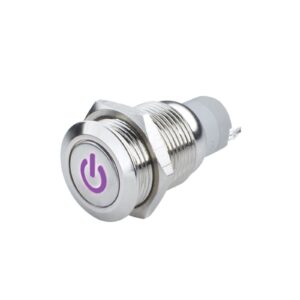
2009-007 - ORACLE Pre-Wired Power Symbol On/Off Flush Mount LED Switch
$21.21- ✓ Warranty
- ✓ 30-Day Returns
- ✓ Secure Checkout
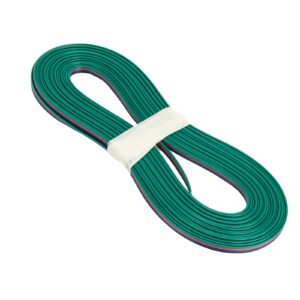
2006-001 - 22AWG 4 Conductor RGB Installation Wire (Sold by the Foot)
$0.81- ✓ Warranty
- ✓ 30-Day Returns
- ✓ Secure Checkout

2006-504 - 22AWG 4 Conductor RGB Installation Wire 100M (328ft) Spool
$127.46- ✓ Warranty
- ✓ 30-Day Returns
- ✓ Secure Checkout

2005-504 - 20AWG 2 Conductor LED Installation Wire 100M (328ft) Spool
$67.96- ✓ Warranty
- ✓ 30-Day Returns
- ✓ Secure Checkout
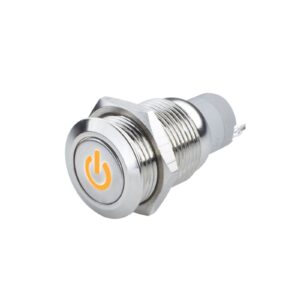
2009-005 - ORACLE Pre-Wired Power Symbol On/Off Flush Mount LED Switch
$21.21- ✓ Warranty
- ✓ 30-Day Returns
- ✓ Secure Checkout

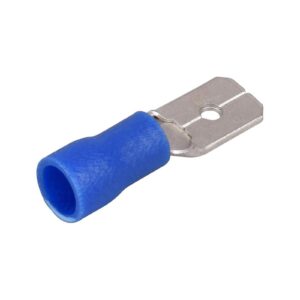
2009-504 - Male Spade Crimp Connector 18-22AWG (x100)
$8.46- ✓ Warranty
- ✓ 30-Day Returns
- ✓ Secure Checkout




Free Delivery
Free Shipping over $299

secure payment
Credit-Debit & Installments

Easy returns
30 days FREE returns

Online Support
Expert Support & HelpLine



Reviews
There are no reviews yet